How Often Should You Trim Your Hair? The Honest Answer for Every Hair Type
Ask ten women how often you should trim your hair and you will get ten different answers: every six weeks, every three months, never at all if you are growing it out. The truth is simpler, and more personal: it depends on your hair type, your length, and what you want your hair to do. This guide gives you the honest answer for every hair type, plus a two-minute test that finds your own number.
Most women do well with a trim every 6 to 12 weeks: short, sharp cuts at the short end, healthy long or curly hair at the long end. The rest of this guide explains why, and how to adjust that number for your own hair.

Photo: The Lab Spa
How Often Should You Trim Your Hair? The Quick Answer
For most people, the honest answer to how often should you trim your hair is every 6 to 12 weeks. Use this table as your starting point, then adjust it with the two-minute test below.
Short hair, above the chin: every 4 to 6 weeks. A pixie or sharp bob loses its shape fast.
Medium hair, chin to shoulders: every 6 to 8 weeks. Collars, scarves and bag straps rub the ends all day.
Long hair, past the shoulders: every 8 to 12 weeks. The ends are the oldest part of your hair, so they need care, not constant cutting.
Growing your hair out: every 10 to 12 weeks, and ask for a dusting — a tiny trim of an eighth to a quarter of an inch.
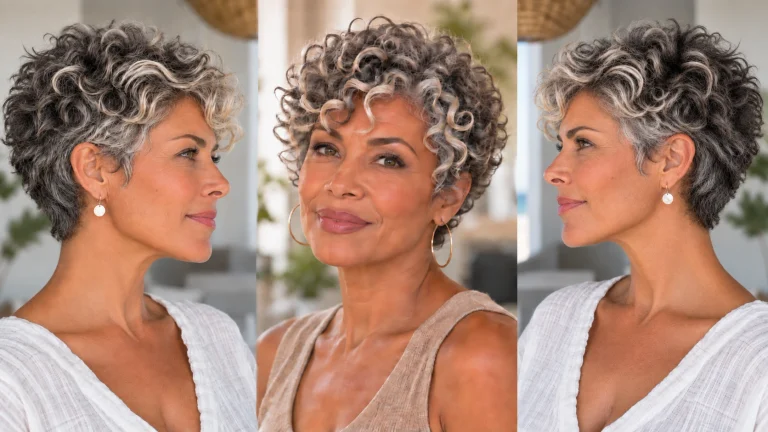
Curly or coily hair: every 12 weeks or more. Curls hide uneven ends well.
Damaged or heat-styled hair: every 6 to 8 weeks, until the damage is cut away. Small, frequent trims beat one big chop later.
Hair grows about half an inch a month, so a trim of a quarter to half an inch every couple of months still leaves you with steady growth. That answers how often should you trim your hair when growth is the goal.
Why Trims Matter, Even When You Are Growing Your Hair
It feels backwards, but a trim does not take length away from your goal — it protects the length you already have.
Hair grows from the root, but the ends are the oldest part of every strand. A strand that reaches your waist can be years old at the tip, worn down by brushing, washing, sun, heat and friction. Split ends do not stay put: once the outer layer wears away, the strand keeps splitting further up, like a frayed thread. No serum can glue a split end back together for good. Cutting is the only real fix.
That is why skipping trims backfires. The splits travel, the ends break higher up, and hair that is growing looks thin and stops gaining visible length. A quarter inch trimmed early saves you from cutting two inches later.
Find Your Number in 2 Minutes
Tables are a start, but the real answer to how often should you trim your hair is the one your own ends give you. Try this three-part check tonight, in good daylight.
First, the daylight test. Hold a small section of ends up to the light. If you see forked tips, or the last inch looks thin and see-through, your ends are ready.
Second, the twist test. Twist a small section tight and slide your fingers down from the root. Fuzzy bits sticking out are broken strands. A few are normal. A lot means it is time.
Third, the brush test. Run a brush through the bottom inch. Healthy ends let it glide. Rough, catchy ends that tangle first are telling you the same thing.
Repeat this check every four weeks after a trim. After two or three cycles, you will know your own answer to how often should you trim your hair.
Trim Timing by Hair Type
Two women with the same length can need very different schedules.
Fine hair needs a trim every 6 to 8 weeks. Fine strands are fragile, they snap easily, and dull ends show sooner on fine hair than on thick hair. If your ends look flat or sparse, the trim is overdue. Our guide on how to add volume to fine hair covers the cuts and styling steps that keep it looking full between trims.
Thick hair can usually go 8 to 10 weeks, sometimes longer. It is more forgiving, but it can grow heavy and expand outward instead of growing down. If your hair starts to feel like a triangle, book the trim.
Curly and coily hair often holds up well and can go 12 weeks or more. Because curls shrink and spring differently, many women prefer a dry cut, where the stylist shapes each curl in its natural pattern. Book sooner if curls lose their shape at the ends, or the ends feel dry and tangle easily.

Photo: Trends by Devicci
Straight and wavy hair usually lands in the middle, every 8 to 12 weeks. Straight hair shows uneven ends most clearly, and wavy hair needs a trim when the ends start to look stringy.
Colour-treated hair follows the same timing as its length, but it is drier at the ends. Bleach and lightening make hair more porous and fragile, so the ends split sooner. A small trim with every colour appointment keeps the ends looking as fresh as the colour.
Damaged or heat-styled hair needs the most attention: every 6 to 8 weeks. Daily blow-drying, curling or straightening dries the ends quickly, especially without heat protection. Small, frequent trims cut the damage away gradually instead of in one big chop.
Trim Timing by Length and Goal
Your cut changes how often should you trim your hair as much as your hair type does. The more structured the cut, the more often it needs attention.
Short hair and pixies need a trim every 4 to 6 weeks. Even half an inch of growth changes the shape, and a cut that sat perfectly at the nape can look shaggy in about a month. Book your next appointment before you leave the salon. If you are still choosing a short cut, our guide on how to choose a haircut for your face shape helps you pick one that grows out well.
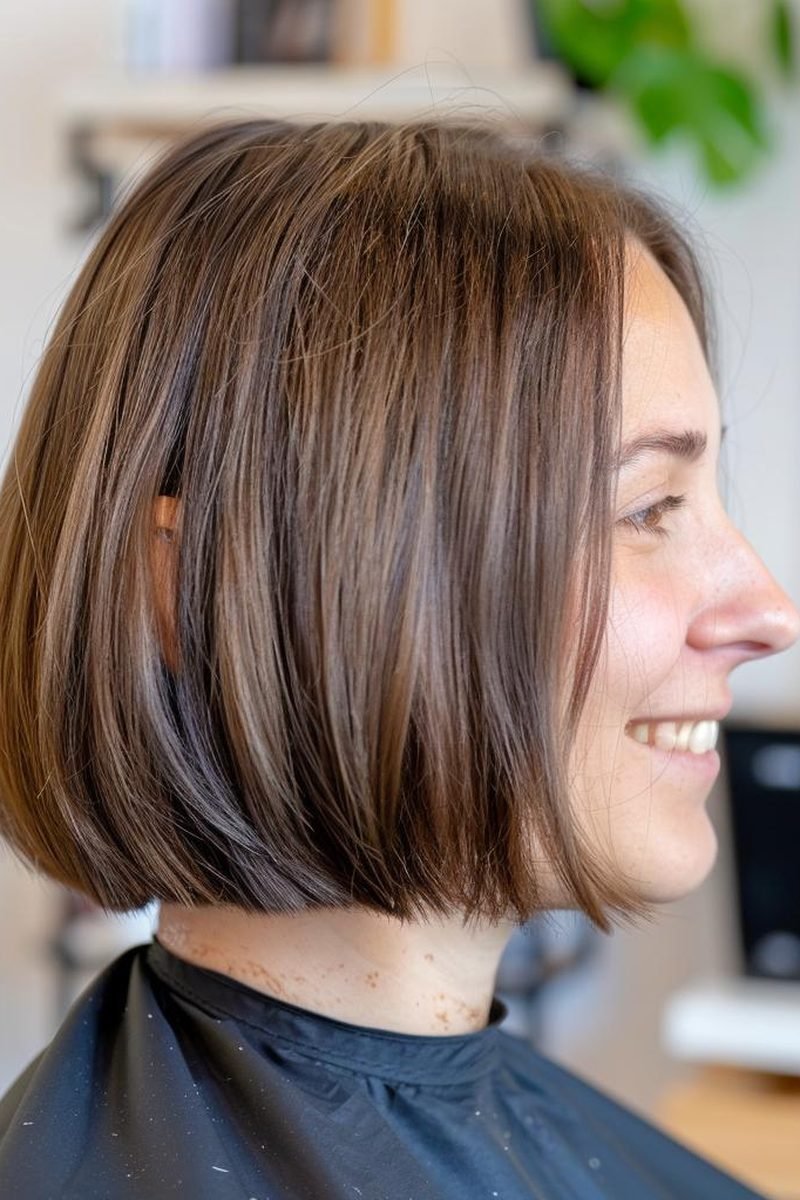
Photo: Schone Frisuren
Medium hair, including bobs and lobs, needs a trim every 6 to 8 weeks. A blunt line looks uneven as it grows, and layers lose their movement.
Long hair can go 8 to 12 weeks if you are gentle with it. If the ends look thinner than the rest, move closer to eight weeks.
Growing your hair out is where most women get it wrong. The honest answer to how often should you trim your hair while growing it out is every 10 to 12 weeks, with a dusting instead of a full trim. Tell your stylist clearly: I am growing it out, please only take off what is damaged. Show the amount with your fingers.
If you are growing out a specific cut, plan for the awkward stage. Growing a pixie into a bob, or a bob into a lob, is easier with shape-up trims every 8 to 10 weeks. Without them, the stage turns boxy and flat, and most women give up and cut it all off again.
Bangs and Layers Grow Out Fastest
Some parts of a cut age faster than the rest. Bangs creep into the eyes in as little as two weeks, so a trim every 2 to 4 weeks keeps them right. Many salons offer a quick bang trim between visits, often free, so ask about it.
Layers grow into one length faster than you expect. A trim every 6 to 8 weeks keeps the movement sharp. If your layers have grown out, ask for a light reshaping, not a length cut.
7 Signs You Need a Trim Now
Two or more of these signs mean it is time to book.
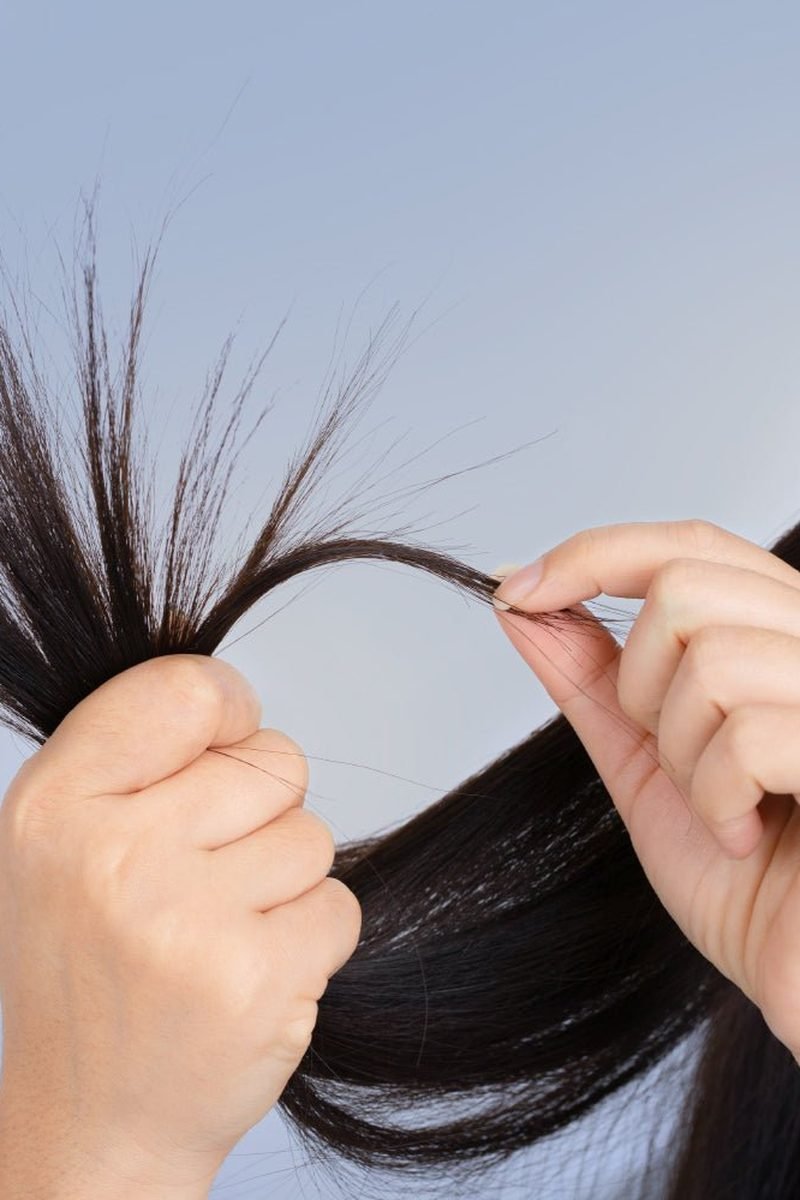
Photo: Bounce Beauty
Visible split ends. Hold a section up to the light: forked or frayed tips mean it is time.
Tangles that start at the bottom. Rough ends catch on each other, so knots form low down first.
See-through ends. If the last inch looks thin and wispy next to the rest, those ends have been breaking.
The shape is gone. Layers look flat, the line is uneven, or the cut no longer falls the way it used to.
Ends feel rough or straw-like. Healthy ends feel smooth; damaged ends feel dry and catchy.
Products stop helping. When conditioner and serum no longer make a difference at the ends, the damage is past smoothing.
More short broken pieces. Little snapped strands on your sweater or brush point to weak ends.
One note: shedding from the root, patches, or sudden thinning is not a trim issue. See a dermatologist.
Dusting vs a Full Trim: Which One Do You Need?
A trim takes off a set amount evenly, usually a quarter inch or more, to clean up the line and the shape. A dusting removes only the very tips, often an eighth of an inch or less. The length barely changes, which is why dusting suits growing hair.
Choose a full trim when your shape is gone, your ends are visibly thin, or you have a lot of damage. Choose a dusting when your hair is mostly healthy and you want to keep every bit of length. A dusting will not refresh the lines of a haircut, so use it between full trims, not instead of them.
There is also a middle option: the search-and-destroy trim. You snip only the visible split ends one by one with sharp hair scissors. It cannot replace a proper cut, but it can buy you extra weeks.
What to Ask Your Stylist
Most trim disappointments come from a mismatch between what you meant and what the stylist heard. Just a trim means half an inch to one person and three inches to another.
Show, do not just tell. Hold your fingers apart to show the exact amount, or point to where you want your hair to end once it is dry. Use measurements: half an inch is clearer than a little. Share your goal, because growing it out, removing damage and refreshing the shape all lead to different cuts. Mention your styling habits, and ask about a dry cut if you have curls.
Here is a script you can borrow: I am growing my hair, so I would like to keep as much length as possible. Could you take off about this much, just enough to remove the damaged ends? I usually air-dry. Before the scissors start, ask the stylist to show you the amount once more. A five-second check saves weeks of regret.
A Simple Trim Calendar for the Whole Year
Thinking in seasons makes the schedule almost automatic. Book a trim at the end of summer, because sun, chlorine and salt water dry out the ends. Book another before the winter holidays, so the ends look clean in photos and the cut has time to settle.
In winter, pair your trim with your cold-weather routine. Cold air, wool scarves and coat collars rub the ends all day, and indoor heating dries them out. Our winter hair care routine covers the habits that keep ends healthy between winter trims.
Spring is the best time for a slightly bigger trim: it clears the winter damage in one go. Before any big event, trim a week or two ahead. If you colour your hair, sync your trims with your colour: add a small trim to every other colour appointment.
How to Make Your Trims Last Longer
The gentler your routine, the longer your ends stay healthy. Protect from heat every time, and keep tools at the lowest temperature that works. Brush gently, from the bottom up. Never rip through knots, especially on wet hair.
Condition the ends, not the roots. Focus conditioner on the lower half of your hair, and finish with a light leave-in on damp ends. A weekly deep-conditioning mask keeps ends flexible. At night, a satin pillowcase or a loose braid cuts friction while you sleep.
Money matters too. Ask about a trim-only appointment, often cheaper than a full wash, cut and blow-dry. A dry cut can cost about half a normal cut, and student salons offer trims at low prices under supervision.
Mistakes to Avoid
Waiting a full year without a trim. It will not harm your scalp, but the ends split and break, and hair looks thinner at the bottom.
Cutting wet hair at home. Wet hair stretches, so you can easily cut far more than you meant. Work on dry, detangled hair, and snip only the frayed tips.
Using kitchen or paper scissors. They are too dull and crush the hair, which creates more splits. Sharp hair-cutting shears are a must.
Asking for a trim without a number. Just a little means different things to different people. Always give a measurement.
Trimming your bangs yourself without a plan. Cut less than you think: start with an eighth of an inch, because you can always take more off tomorrow.
Treating a trim as the fix for everything. If your ends split again within weeks, the cause is what happens between visits: heat, rough towel drying, tight ponytails, or cotton pillowcases. Fix the habit first.
Frequently Asked Questions
How often should you trim your hair to grow it out?
Most stylists suggest a small trim about every 8 to 12 weeks while growing hair out. A quarter inch or less removes damage without costing noticeable length.
Can I go a year without a trim?
You can, if your ends stay healthy, but most people have split ends by then. Splits travel up the strand, so you may lose more length later than with regular small trims.
Do curly or textured styles need trims as often?
Curly hair tends to be drier, so it can show splits easily, but every 8 to 12 weeks is a good start. Ask for a dry cut.
Does trimming make hair grow faster?
No. Hair grows from the follicle, so cutting the ends does not change the speed at the root. Trims prevent breakage, so more growth stays visible.
How much should a trim cost?
A trim-only appointment is usually cheaper than a full cut and style, and a dry cut can cost about half a normal cut. Ask the price when you book.
Final Thoughts
There is no single magic number, and that is good news. The honest answer to how often should you trim your hair is the one your own ends give you: every 4 to 6 weeks for a sharp short cut, every 6 to 8 for medium or fine hair, every 8 to 12 for long hair, and every 12 weeks or more for healthy curls. Small, regular trims are how the length you grow actually stays on your head.

Photo: SheFinds