10 Low Maintenance Short Pixie Cut Ideas
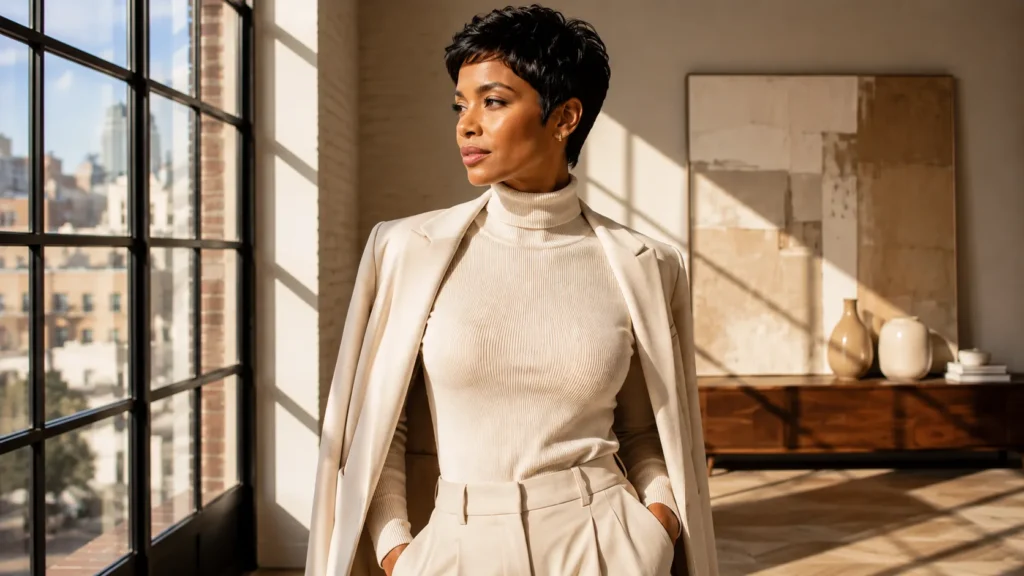
I have been the friend everyone calls before a big chop, and I can tell you the fear is never really about the hair. It is about waking up and wondering who is going to look back at you in the mirror. Here is the truth after years behind the chair: a great pixie is one of the lowest maintenance, highest confidence moves you will ever make, if you pick the right version for your hair and your life. Let us find yours.
My Styling Notes
I had a client who booked her pixie the week before a beach trip to the Gulf Coast, and she wanted that sleek, side parted look she found on Pinterest. I cut it in my air conditioned salon and it was gorgeous walking out the door. Three days later she texted me a photo from the beach and honestly, I barely recognized the cut. The Florida humidity had puffed it into something completely different from what we styled that day.
Nothing was wrong with the haircut itself. The problem was that we picked a style built for dry, controlled air and sent it straight into ninety percent humidity. Now I ask every single client two things before I even pick up my scissors. Where do you live, and where are you headed next. A pixie should work with your real life, not just your Pinterest board.
10 Effortless Chic Secrets to Master the Low Maintenance Pixie
1. How to Know If You Are Actually Ready for a Pixie
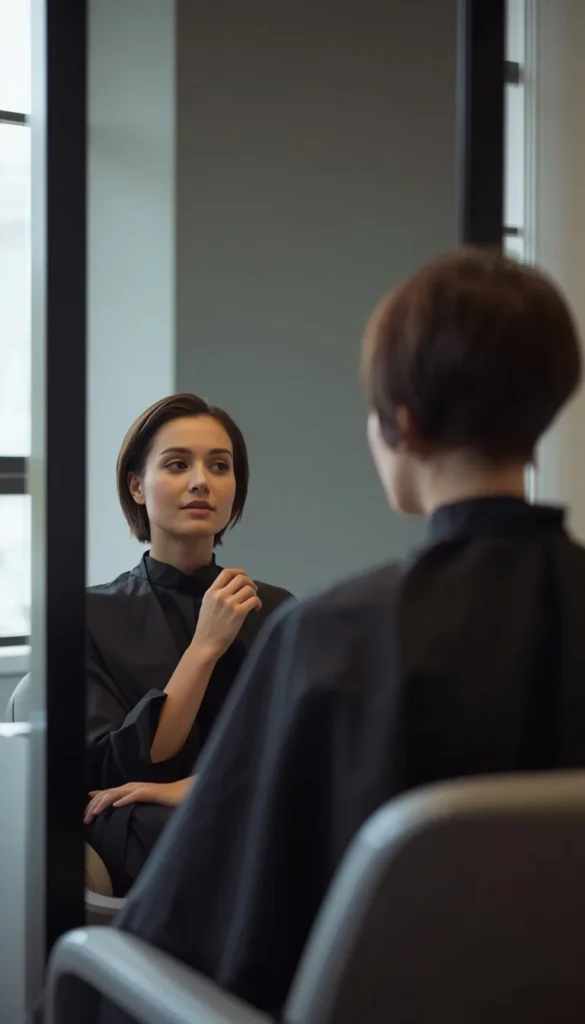
Before you say yes to the chop, ask yourself something honest. Do you love your face without a curtain of hair hiding it? A pixie puts everything front and center, your cheekbones, your eyes, even that little freckle you forgot about. If you are someone who hides behind a ponytail on bad skin days, this cut asks you to skip that crutch entirely.
A few signs you are ready:
- You already reach for a bun or clip more days than not
- You are bored of spending twenty minutes blow drying hair you barely style anyway
- You have tried a lob or a shoulder length cut and still felt weighed down
One thing I always tell my clients sitting in my chair, nervous and gripping the cape like it might save them, is that the fear usually fades within a week. What does not fade is the time you get back every single morning.
2. The Ten Low Maintenance Pixie Styles to Bring to Your Stylist
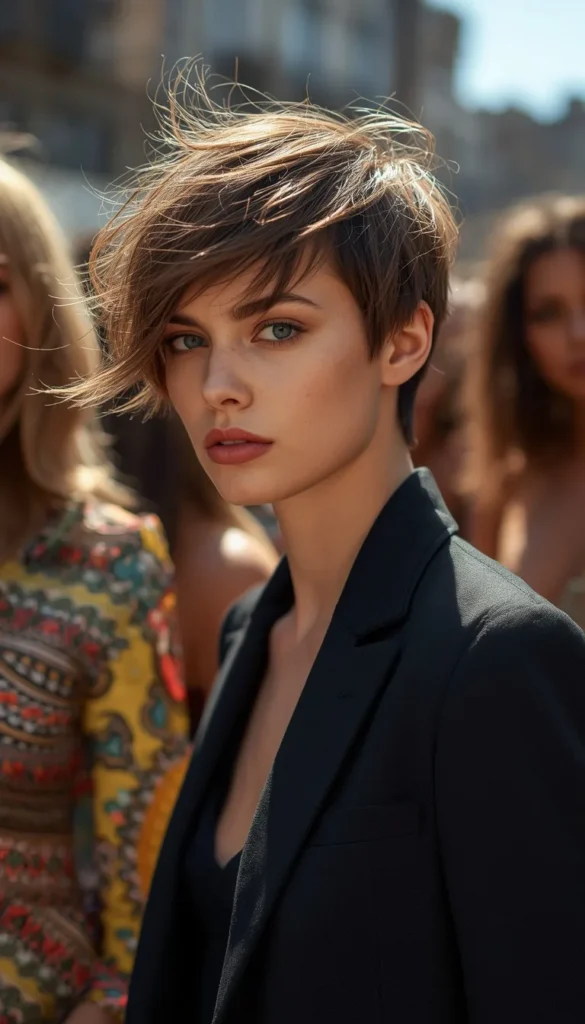
This is the fun part. Pixies are not one size fits all, and honestly, that is what makes them so exciting to style. Here are ten versions worth screenshotting before your next appointment.
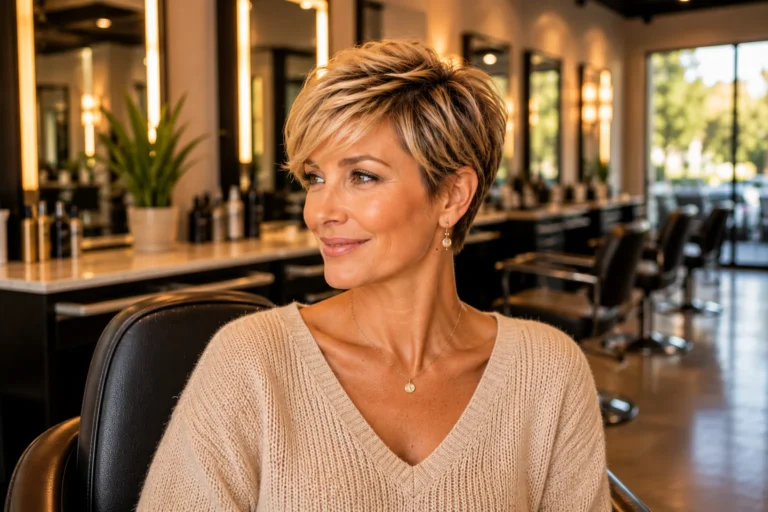
Classic Tapered Pixie
Short and clean at the sides, slightly longer on top. Timeless, polished, and it grows out beautifully without looking messy.
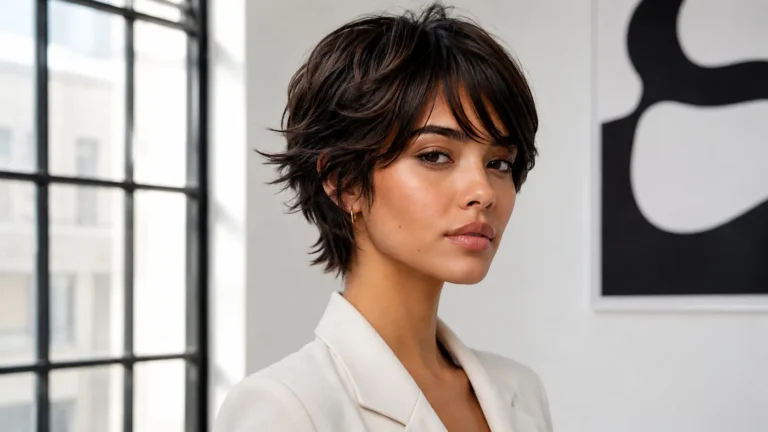
Textured Choppy Pixie
Piecey layers throughout give it that just got out of bed but somehow still cool energy. My personal favorite for busy people.
Feathered Pixie with Bangs
Soft, wispy bangs paired with feathered layers. Flattering for almost every forehead shape.
Long Top, Short Sides Pixie
More versatility here since you can slick it back one day and tousle it the next.
Curly or Textured Hair Pixie
Works with your natural curl pattern instead of fighting it. A diffuser becomes your best friend.
Sleek Side Part Pixie
Polished, a little retro, and genuinely striking on camera.
Edgy Undercut Pixie
For the client who wants a little rebellion built into their hair.
Soft Layered Pixie
Gentle layering that creates the illusion of fullness, especially good for finer strands.
Grown Out Pixie
That in between stage that actually looks intentional when cut right.
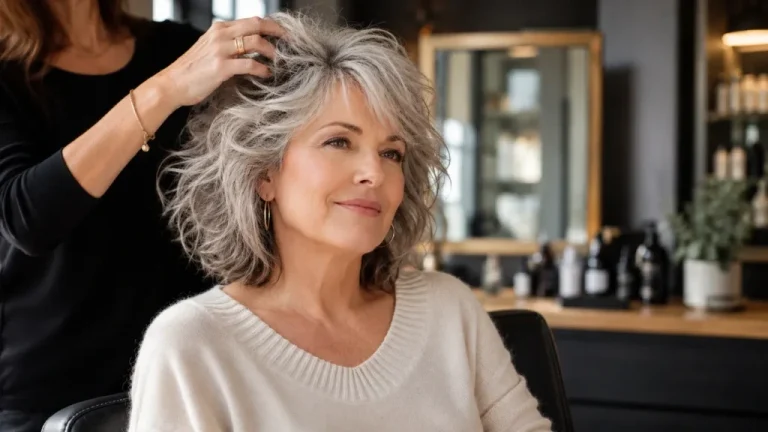
Silver or Gray Blended Pixie
A gorgeous option that celebrates natural gray instead of fighting it.
3. Best Pixie Options If You Have Fine Hair
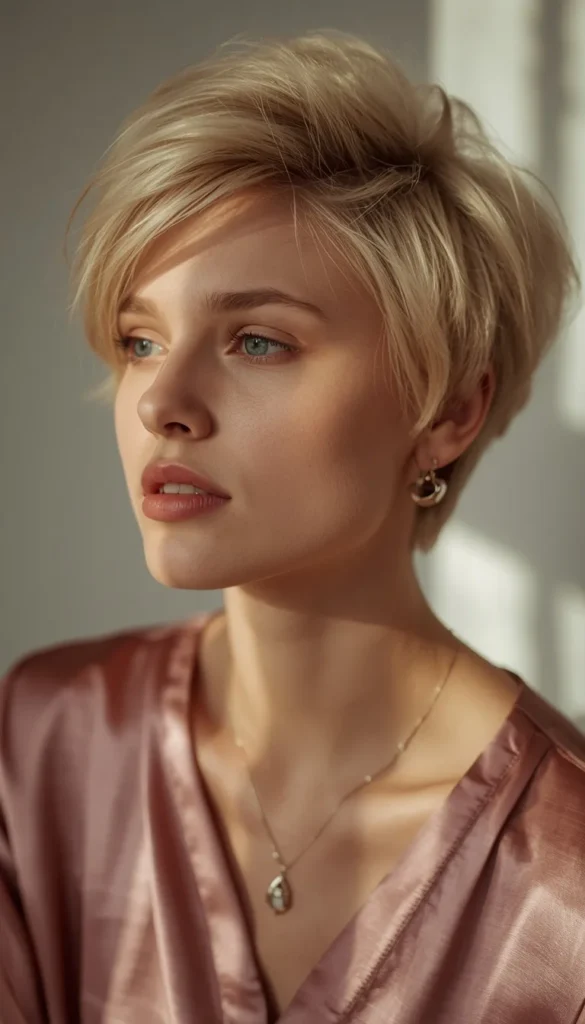
Fine hair and pixies genuinely belong together, but you have to choose the right structure or it can fall flat by noon. I always steer fine haired clients toward cuts with built in texture rather than one smooth blunt line, since blunt edges tend to expose thinness instead of hiding it.
Try asking for soft layering through the crown paired with a slightly longer fringe. It creates movement without needing a ton of product. A lightweight volumizing mousse applied to damp roots, then a quick blast with a diffuser, gives you lift that lasts most of the day.
4. Best Pixie Options If You Have Thick or Curly Hair
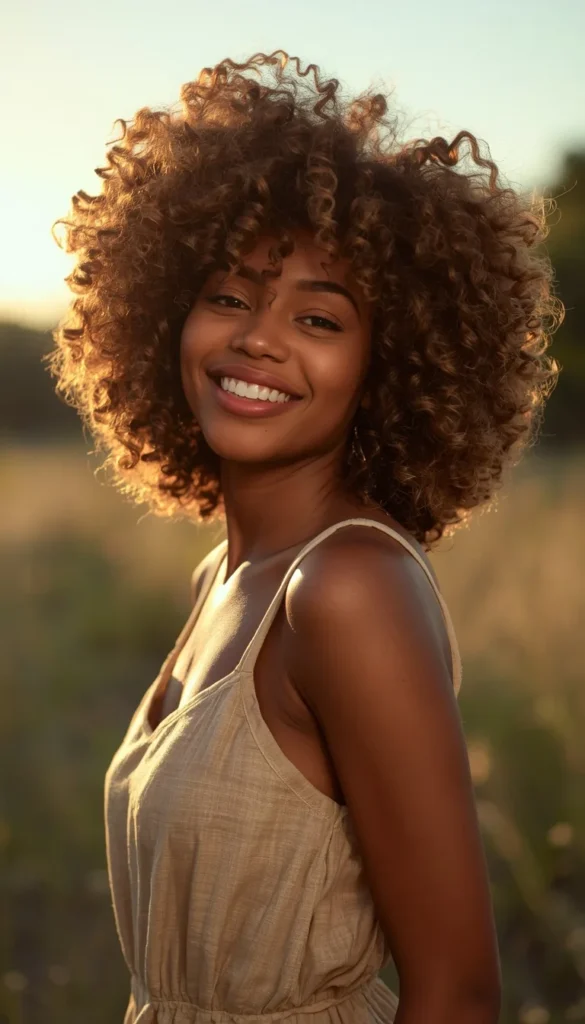
Thick and curly hair pixies are where a good stylist really earns their money. The goal is removing bulk without losing the shape your curls naturally want to fall into. Ask your stylist to thin the interior of the cut rather than just cutting the ends shorter, since that keeps the outline clean while letting your curls breathe.
A curved layer through the crown works wonders here too. It stops the classic pixie triangle shape that thick haired clients dread, where the sides look flat and the top puffs out. And please, invest in a good curl cream. Scrunching it in while your hair is still soaking wet makes a bigger difference than almost anything else you will do that week.
Which one of these ten pixie styles are you bringing to your stylist first?
5. Pixie Cuts That Actually Work for Women Over 50 and 60
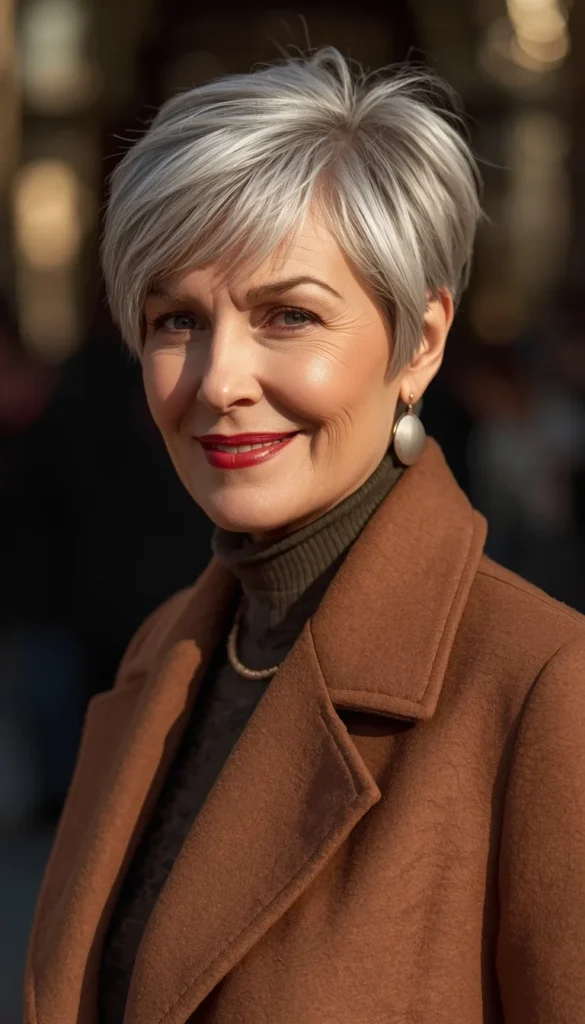
Nobody talks about this enough, so let me be the one to say it. A pixie in your fifties or sixties is not about looking younger, it is about looking like the sharpest version of yourself. The key is softness around the face. Skip anything too severe or blunt, since that can harden your features instead of highlighting them.
A few things I recommend to clients in this stage of life:
- Ask for longer, face framing pieces near the cheekbones rather than a fully cropped look
- Request subtle layering to add movement instead of one flat silhouette
- Talk to your colorist about warmer tones near the face, since it brightens the complexion beautifully
I had a client turn sixty two the same month she got her first pixie, and she told me afterward that people kept asking if she had done something different with her whole face. She had not touched a thing except her hair.
6. Finding the Cut That Fits Your Face Shape
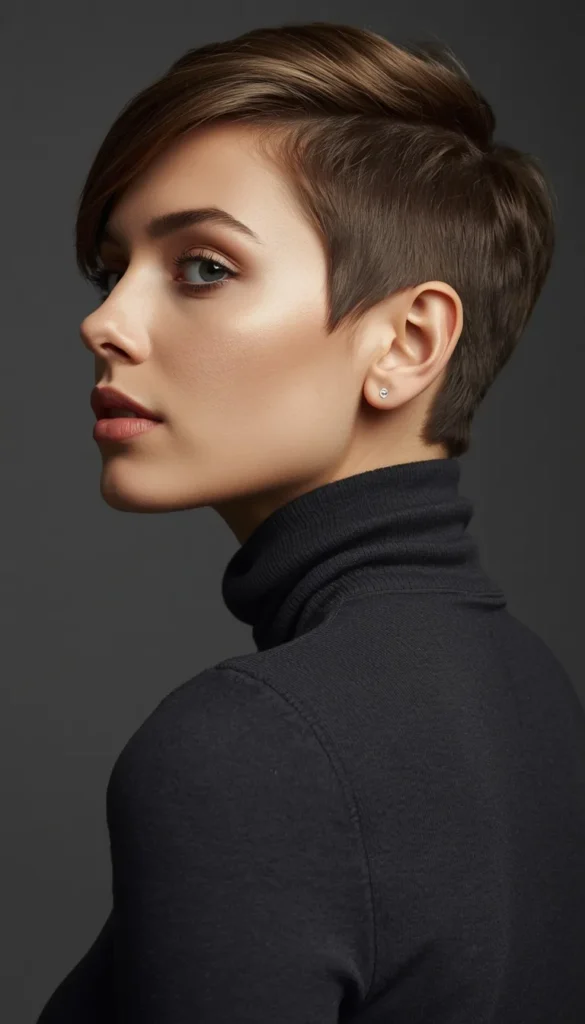
This is where a lot of people get nervous, but honestly it is simpler than it sounds. Round faces usually look stunning with height on top and shorter sides, since it elongates things visually. Square faces do well with soft, wispy pieces near the jaw to break up sharp angles. Heart shaped faces can handle almost any pixie, though a side swept fringe tends to balance a narrower chin beautifully. Oval faces are the lucky ones here, since nearly every pixie variation works.
One thing I always tell nervous clients is that a good stylist customizes the cut to your bone structure in the chair, not from a photo alone. Bring your inspiration pictures, absolutely, but trust the adjustments your stylist makes once they see your face in person.
TOP 6 short pixie cut ideas
| Look / Item | Estimated Price | Care Level | Where to Buy |
|---|---|---|---|
| Classic Tapered Pixie (matte styling paste) | under 20 dollars | Low | Styling Paste on Amazon |
| Textured Choppy Pixie (texturizing spray) | 12 to 25 dollars | Low | Texturizing Spray on Amazon |
| Feathered Pixie with Bangs (lightweight pomade) | 15 to 30 dollars | Medium | Pomade on Amazon |
| Sleek Side Part Pixie (shine cream) | 18 to 35 dollars | Medium | Shine Cream on Amazon |
| Curly or Textured Hair Pixie (curl defining cream) | 15 to 28 dollars | Medium | Curl Cream on Amazon |
| Silver or Gray Blended Pixie (purple toning shampoo) | 10 to 22 dollars | Low | Toning Shampoo on Amazon |
7. The Maintenance Truth Nobody Tells You Before You Chop It Off
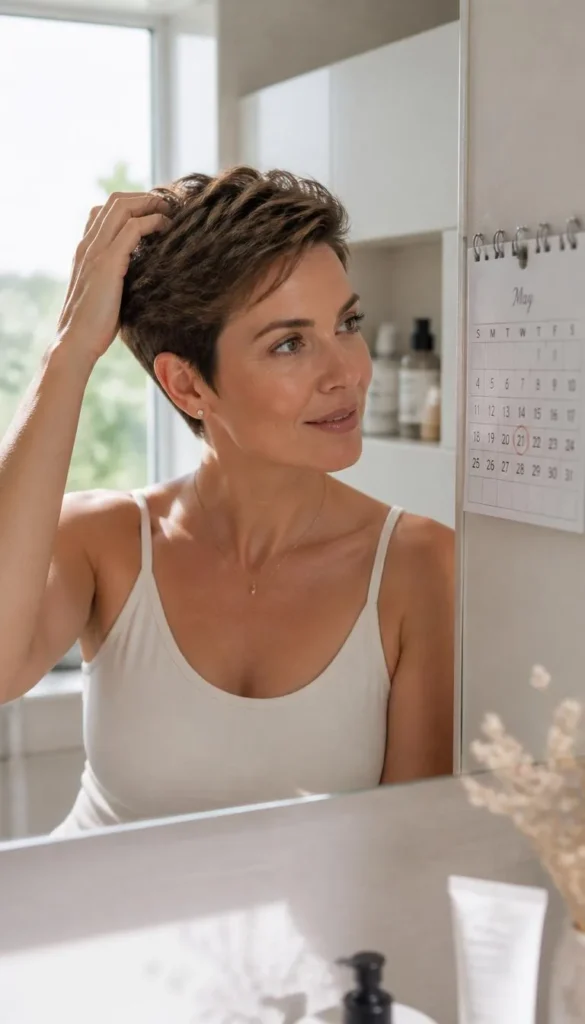
Here is the part competitors skip completely. A pixie needs a trim every three to five weeks to keep its shape, period. Skip much longer than that and it starts growing into an awkward triangle rather than a deliberate style.
Let us talk money for a second, since nobody wants a surprise there. If you were getting trims twice a year with long hair and now you need one monthly, that is a real cost difference, often two to three hundred dollars more annually depending on your salon. It is worth budgeting for honestly instead of being caught off guard three months in.
The upside though is real. Wash time drops dramatically, product usage drops too, and most clients tell me their morning routine shrinks from twenty five minutes to about five.
8. Styling It in Real Life, Humidity, Gym Days, and Lazy Mornings
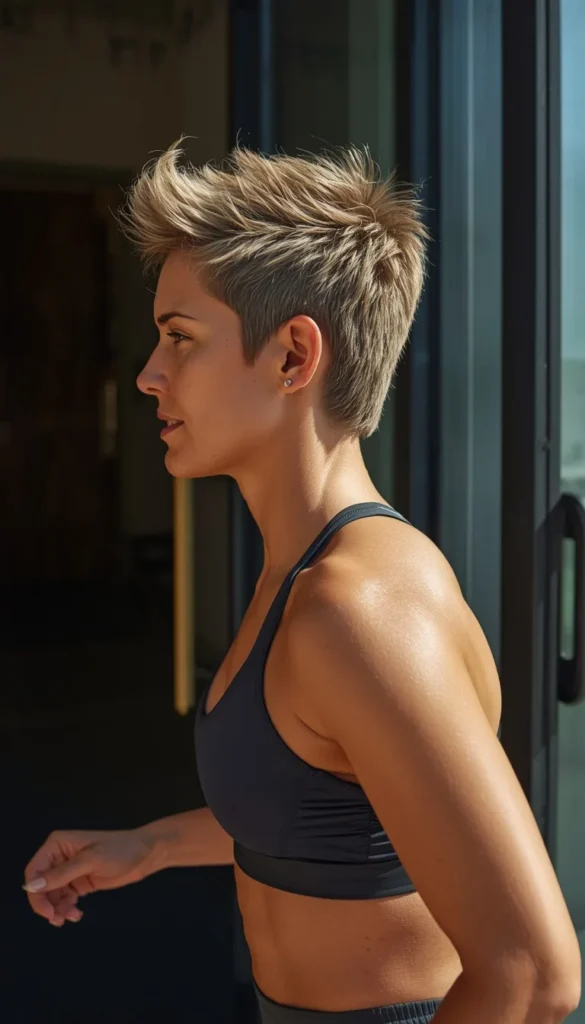
This is the section I wish existed when I started cutting hair, because climate genuinely changes how a pixie behaves. If you live somewhere humid like Houston or coastal Florida, ask your stylist for a cut with built in texture rather than a sleek finish, since humidity will add its own texture whether you want it or not. A texturizing spray becomes essential here, not optional.
If you are in a drier climate like Arizona or Colorado, static becomes your enemy instead. A tiny bit of leave in cream smoothed through dry ends keeps flyaways under control.
For gym days, a headband or bobby pins tucked along the hairline handle sweat far better than most people expect. And for genuinely lazy mornings, a little dry shampoo at the roots and a quick finger comb through is honestly all a good pixie needs to look intentional.
Out of everything we covered, which pixie style feels like the best fit for your budget and your lifestyle?
9. Common Pixie Regrets and How to Dodge Them
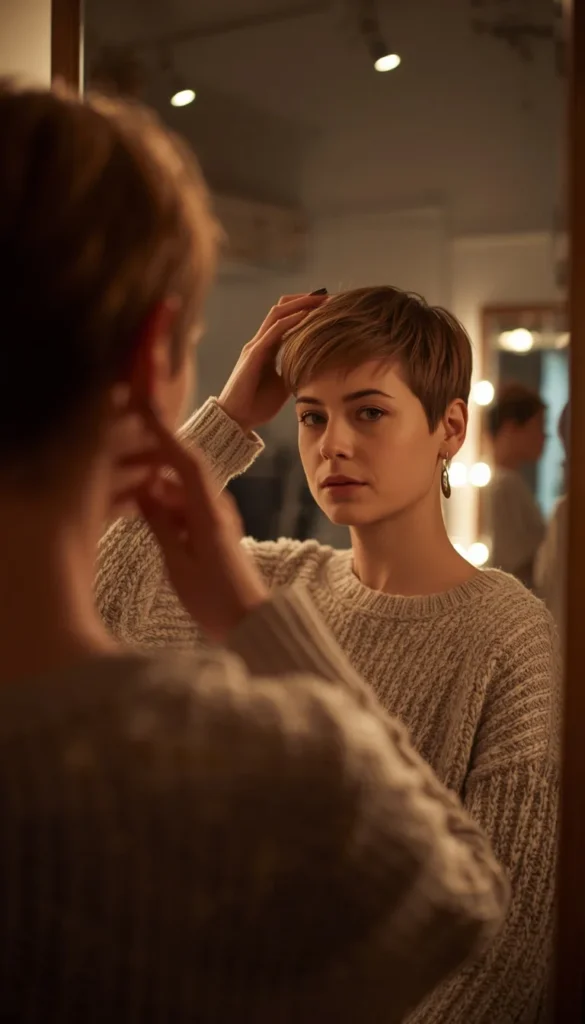
Let us be honest, since that is the whole point of me being here instead of just another gallery of celebrity photos. Regret usually comes from one of two places, a rushed decision or a mismatched cut for your lifestyle. I always tell first timers to sit with the idea for at least a week before booking, just to be sure it is not a breakup haircut moment talking.
The most common regret I hear is going too short too fast. Growing out a super cropped pixie takes patience most people underestimate, often four to six months before it reaches a length you can style multiple ways again. If you are unsure, start slightly longer than you think you want. You can always go shorter next time, but you cannot glue hair back on.
Another one worth mentioning, a pixie that looked perfect on Pinterest but ignored your actual texture almost never translates the same way onto your head, so trust your stylist over the photo when they gently push back.
10. Quick Answers to the Questions Everyone Asks Before Booking

Will a pixie make me look older or younger?
Neither, really. It tends to highlight whatever energy you already carry, confident, playful, polished, whatever that is for you.
How often do I really need a trim?
Every three to five weeks to keep the shape sharp, though some looser styles can stretch to six.
Will my hair grow back the same texture?
Yes, pixies do not change your natural hair pattern, they just reveal it more clearly.
Can I still wear it curly or wavy?
Absolutely, and honestly some of the most striking pixies I have ever cut were on naturally curly clients who leaned into their texture instead of fighting it.
What if I hate it for the first week?
Completely normal. Give it ten days before you panic. Most regret fades once you learn how to style it properly.
Your 60 Second Pixie Picker
By Budget
Budget Friendly Picks
- Classic Tapered Pixie, styled with a basic matte paste
- Textured Choppy Pixie, needs only a texturizing spray
- Silver or Gray Blended Pixie, toning shampoo does the heavy lifting
Worth the Splurge
- Sleek Side Part Pixie, invest in a quality shine cream and a good round brush
- Feathered Pixie with Bangs, a salon grade lightweight pomade holds shape all day
- Curly or Textured Pixie, a higher end curl cream prevents frizz far better than drugstore versions
By Lifestyle
Busy Professionals
- Classic Tapered Pixie
- Sleek Side Part Pixie
Hot and Humid Climates
- Textured Choppy Pixie
- Curly or Textured Hair Pixie
New Moms and Zero Time Mornings
- Textured Choppy Pixie
- Grown Out Pixie
Weekend Casual
- Feathered Pixie with Bangs
- Long Top, Short Sides Pixie
Confident and Bold Energy
- Edgy Undercut Pixie
- Silver or Gray Blended Pixie
One rule of thumb before you scroll away, if you cannot decide, always pick the option with lower care level. You can build up to a fussier style once you know how your hair actually behaves short, and every product mentioned here is easy to find on Amazon without hunting through five different beauty stores.
Frequently Asked Questions
How much does a pixie cut cost in the US?
Most salons charge between 40 and 90 dollars for a basic pixie cut, though high end city salons can run 120 dollars or more. I usually tell clients to budget on the higher end if they want ongoing shape maintenance every month.
Do pixie cuts suit round faces?
Yes, but the styling matters more than the cut itself here. Height on top and shorter sides visually elongate a round face, so ask your stylist to build volume at the crown instead of the sides.
Can I still curl or straighten a pixie cut?
Absolutely, short hair actually holds curls and waves faster than long hair does. A small barrel curling wand or a flat iron with narrow plates works best for close, controlled styling.
Is a pixie cut hard to grow out?
The first three months are the trickiest part, especially around the ears and neckline. I usually recommend regular trims during grow out just to keep the shape from looking accidental.
What is the best pixie cut for thinning hair?
A textured pixie with soft layering through the crown is your best bet here. It adds the illusion of density without needing heavy products that can weigh fine strands down.
Conclusion
Here is the thing about a great pixie, it never actually lives in the scissors. It lives in the way you carry your head a little higher once you realize how good you look with nothing left to hide behind. Book that consultation, bring your photos, and trust the process even during the slightly awkward first week. Your future self, running out the door in five minutes flat with hair that already looks done, is going to thank you.