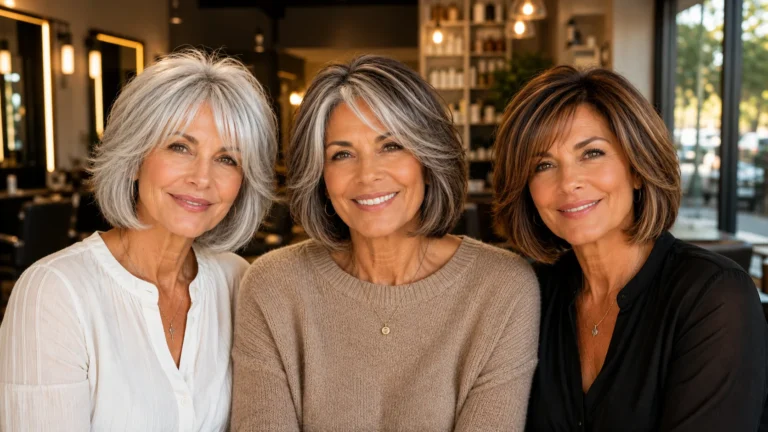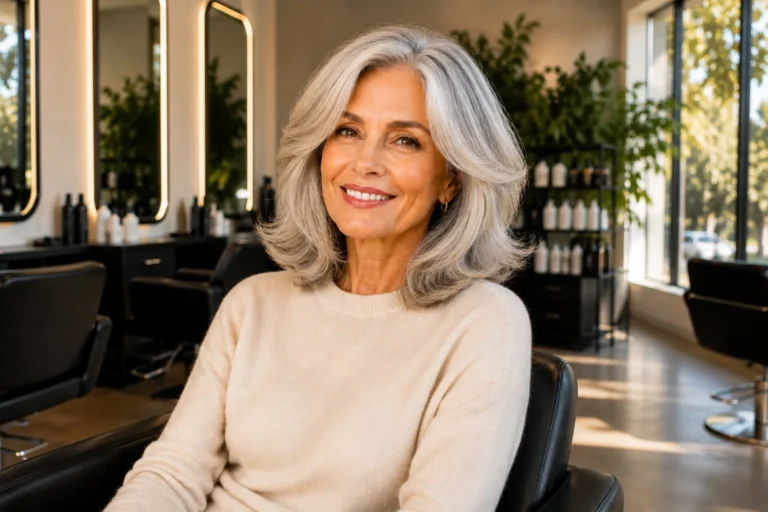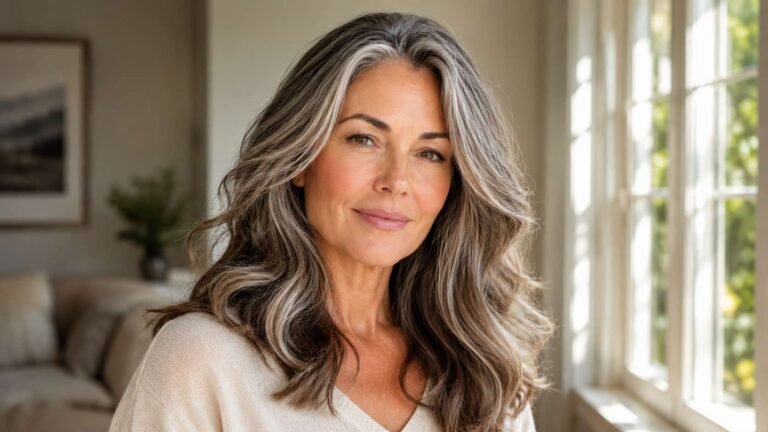
16 Gorgeous Lob Haircuts for Thin Hair

Thin hair has a way of making you feel like your ponytail apologized before it even started. I have sat with more clients holding up old photos saying “I just want it to look like this again” than I can count, and nine times out of ten, the answer isn’t more product. It’s the cut. A well shaped lob does the heavy lifting your volumizing spray never quite manages, and these sixteen versions are proof that thin hair was never the problem.
My Styling Notes
I had a client fly into Miami from Chicago for a work trip, dead set on keeping her hair long because in her mind, length equaled fullness. I get that instinct, I really do, but her hair was thinning out badly by the ends and all that extra inch was just doing nothing but hanging there. We finally agreed on a blunt lob, and I remember her staring at the mirror looking almost betrayed, like I’d taken something from her.
Three days later she texted me a selfie from the airport, mid Miami humidity, hair still holding its shape without her touching a single tool. She said it was the first time in years her hair looked done without doing anything. That’s the moment I stopped trying to convince clients that shorter is better and started just showing them the after photos instead. Some lessons you can’t argue people into, you just have to let the hair do the talking.
16 Effortless Lob Styling Secrets Every Stylist Swears By for Thin Hair
1. Classic Blunt Lob
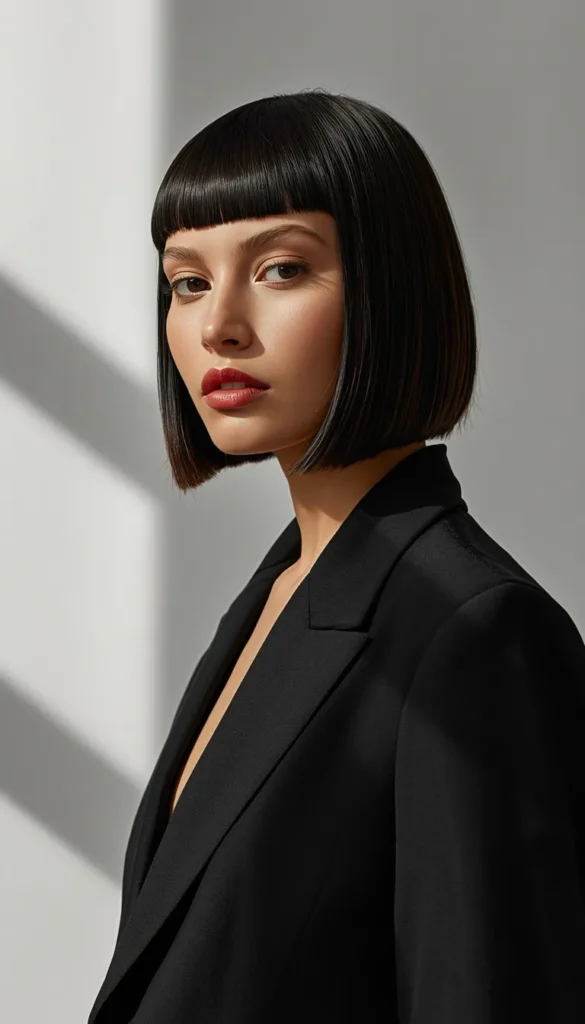
If thin hair had a best friend in the haircut world, it would be the blunt lob. Cutting all the hair to one clean length tricks the eye into seeing more density than what’s actually there, because there’s no gradual thinning at the ends to give away the game. One thing I always tell my clients sitting in my chair worried about “looking thin” is that blunt lines create the illusion of weight, and weight reads as thickness even when the strand count says otherwise.
The trick is precision. A blunt lob only works its magic when the line is razor sharp, not soft or feathered. Ask your stylist for a solid, geometric edge rather than anything blended or piece-y, since blending is exactly what makes fine hair look wispy instead of full.
2. Layered Lob for Movement

Layers and thin hair have a complicated relationship, honestly. Too many, and you’ve basically thinned out hair that didn’t need any help thinning out further. Too few, and the cut can feel stiff, almost helmet like.
The sweet spot is soft, long layers that start low, somewhere around the cheekbone or jaw, rather than stacking up near the crown. This keeps movement in the ends without sacrificing the density up top where you need it most. A few things I look for when cutting layers for fine hair clients:
- Layers should never start above the ear, that’s a thinning disaster waiting to happen
- Keep the layer count low, three to four max, not the eight or nine you’d use on thick hair
- Always cut layers dry so you can see exactly how the hair is falling before committing
Done right, this version gives you swishy, touchable movement instead of the flat, one dimensional curtain effect thin hair tends to fall into.
3. Textured Lob with Point Cut Ends

Here’s something almost nobody explains properly, and it drives me a little crazy. Thinning shears, the classic tool stylists reach for to “texturize,” are basically public enemy number one for fine hair. They remove bulk from strands that were already struggling to look thick in the first place.
Point cutting is the move instead. A stylist angles the scissors vertically into the ends rather than cutting straight across, which softens the line just enough to avoid a blunt, harsh edge while keeping every strand intact. My clients with fine hair almost always ask me why their ends look thicker after this technique, and it’s simply because we’re not removing any hair, we’re just reshaping how the light hits it.
4. Choppy Lob

I’ll be honest, choppy cuts get a bad reputation with thin hair, and sometimes for good reason. Done wrong, choppy just means “accidentally thin looking.” Done right, it’s controlled, intentional texture that adds personality without sacrificing fullness.
The difference comes down to where the choppiness lives. Keep the interior of the cut fuller and let the chop happen mostly at the very ends, almost like a controlled fray rather than random chunks removed throughout. This is a cut that photographs beautifully but does need a little upkeep, expect to be back in the chair every six to eight weeks to keep the shape from growing out into something shaggier than intended.
Which one of these sixteen lobs are you booking your next salon appointment for?
5. Angled Lob with Longer Front Pieces
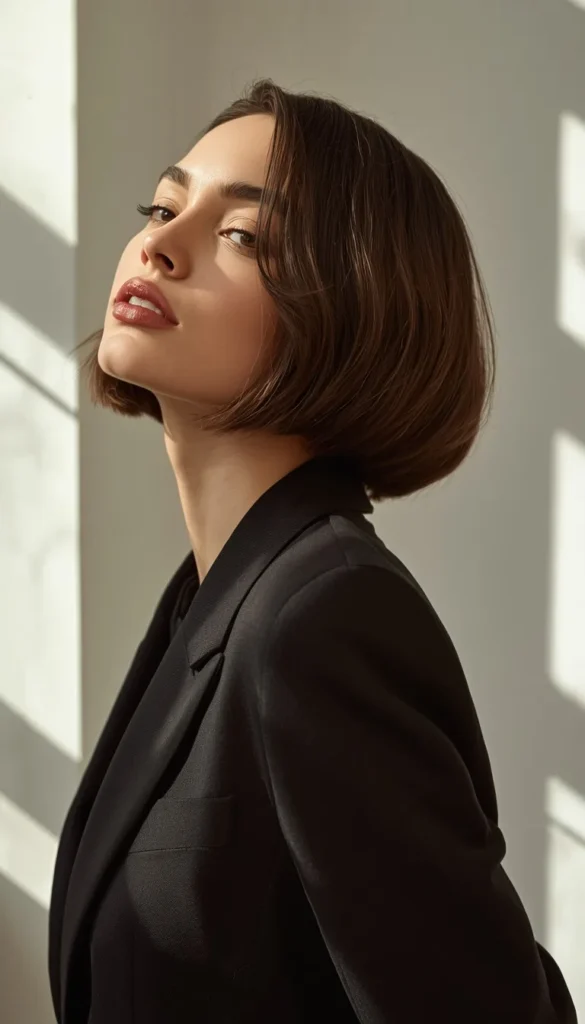
This is the cut I reach for constantly with clients who want their face to look a little more sculpted while still solving the thin hair volume problem. The front pieces graze the collarbone while the back sits shorter, closer to the jaw, creating this subtle forward motion that frames the face beautifully.
For round or heart shaped faces especially, this angle does double duty. It draws the eye downward and adds the illusion of length while the shorter back keeps things from looking stringy or overgrown.
- Longer front pieces should hit somewhere between the chin and collarbone, not past it
- The back should stay a solid two to three inches shorter than the front for the angle to actually register visually
- Ask for the angle to be cut on dry hair so your stylist can see exactly how it falls on you
6. Shoulder Length Straight Lob
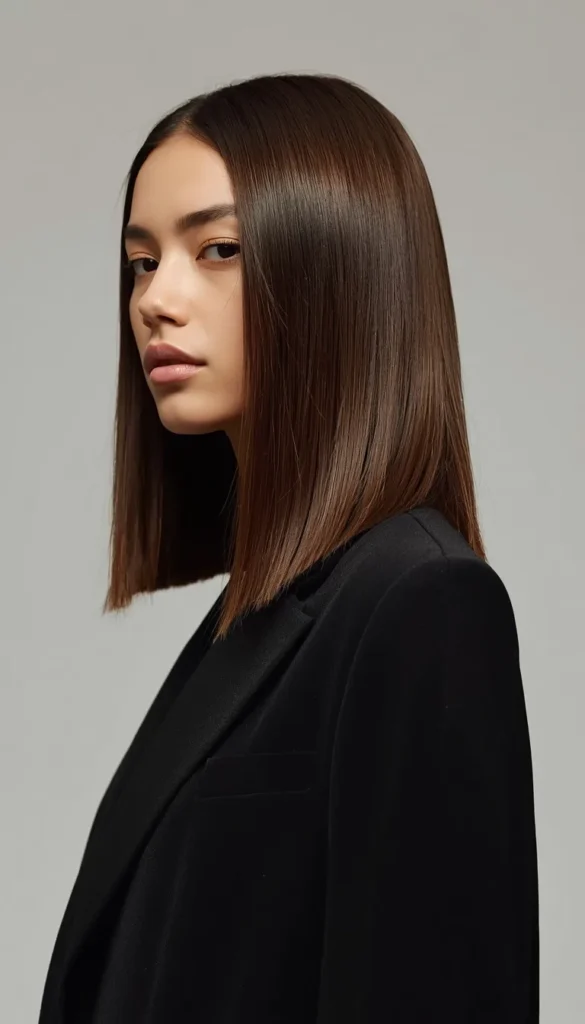
Some days you just don’t have the energy for a curling iron, and that’s exactly why this cut exists. A straight, shoulder grazing lob is about as close to wash and wear as thin hair gets, and I mean that as the highest compliment. There’s something almost architectural about a sleek, straight lob resting right at the shoulders. It reads polished without trying too hard, and it plays incredibly well with a simple blowout or even just air drying with a light smoothing cream.
Here’s a quick reference table pulling the six most requested looks from above, styling tool included so you know what to budget for beyond the salon visit itself.
Top 6 lob haircuts for thin hair
| Look | Estimated Price | Care Level | Where to Buy |
|---|---|---|---|
| Classic Blunt Lob (styling cream) | Under 25 dollars | Low | Amazon |
| Wavy Lob (1.25 inch curling wand) | 30 to 60 dollars | Medium | Amazon |
| Lob with Curtain Bangs (texturizing spray) | Under 20 dollars | Medium | Amazon |
| Volumizing Root Lift Lob (root lift spray) | 15 to 35 dollars | Medium | Amazon |
| Low Maintenance Lob (dry shampoo) | Under 15 dollars | Low | Amazon |
| Color Enhanced Lob (purple toning shampoo) | 20 to 40 dollars | High | Amazon |
7. Wavy Lob

Waves are one of the fastest ways to fake thickness, but here’s a detail that gets overlooked constantly. Barrel size matters more than people realize. A skinny curling wand creates tight, springy curls that actually shrink your hair up and reveal more scalp than you’d like. A larger barrel, somewhere around one and a quarter to one and a half inches, gives you that loose, undone wave that reads as effortlessly full rather than overworked.
I always tell clients to alternate the direction of each wave, some pieces curled away from the face and some toward it, because uniform curls in one direction can flatten out and start looking like a wig by midday. Mixing directions keeps everything looking a little more lived in and a lot more natural.
8. Lob with Curtain Bangs

Curtain bangs get talked about constantly for their face framing power, but there’s a quieter benefit specific to thin hair that doesn’t get nearly enough credit. They’re incredible at camouflaging thinning near the temples, an area a lot of women with fine hair struggle with and rarely mention out loud.
The bangs part naturally down the middle and blend seamlessly into the rest of the lob, so there’s no harsh line separating “bang” from “hair.” A few things that make curtain bangs work specifically for thinner hair:
- Keep them long enough to tuck behind the ears on low maintenance days
- Ask your stylist to soften the ends so they blend rather than stop abruptly
- A light texturizing spray at the roots keeps them from going flat by noon
What’s the one thing about your current cut you’re most ready to change?
9. Lob with Wispy Bangs

If curtain bangs feel like too big a commitment, wispy bangs are the gentler cousin. They’re softer, thinner by design, and ease you into the bang life without the daily maintenance pressure. For thin hair specifically, wispy bangs actually work in your favor because there’s less bulk to manage and style every morning.
One thing worth knowing before you commit, wispy bangs do require more frequent trims than you’d think, usually every three to four weeks, since even a small amount of growth changes how they sit on your forehead.
10. Volumizing Root Lift Lob
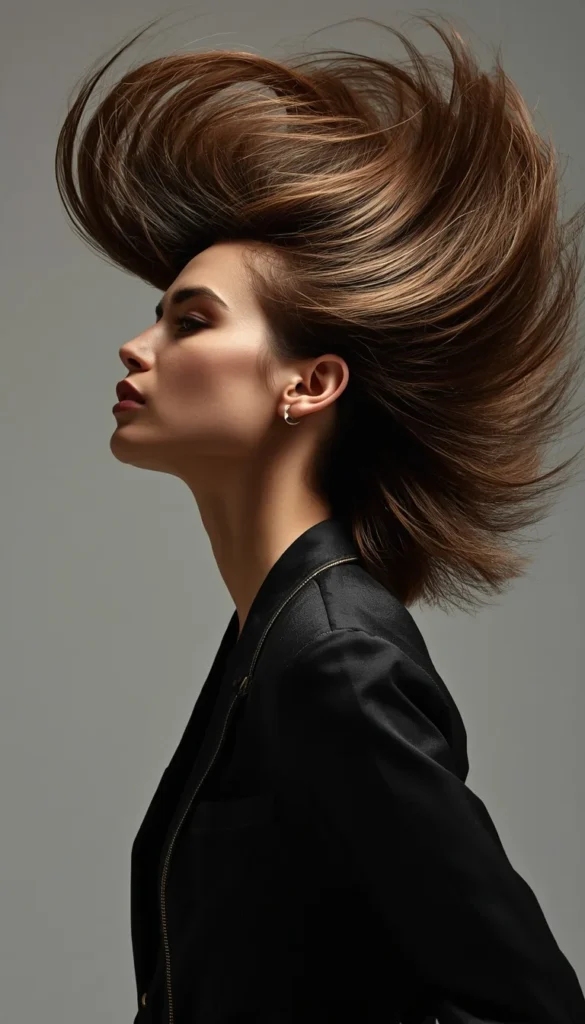
This one isn’t really about the cut alone, it’s about the combination of cut and technique working together. A stylist will actually cut the layers at the crown slightly shorter than the rest, creating built in lift right where you need it most, and then style is used to reinforce that lift rather than fight against gravity all day.
A quick trick I’ve learned over the years, blow drying your roots in the opposite direction they naturally fall, then brushing them back into place once cool, gives you hours more lift than any root spray promises on the bottle. Pair the cut with this technique and you’ll notice your part line stops looking quite so exposed.
11. A Line Lob with Deep Side Part
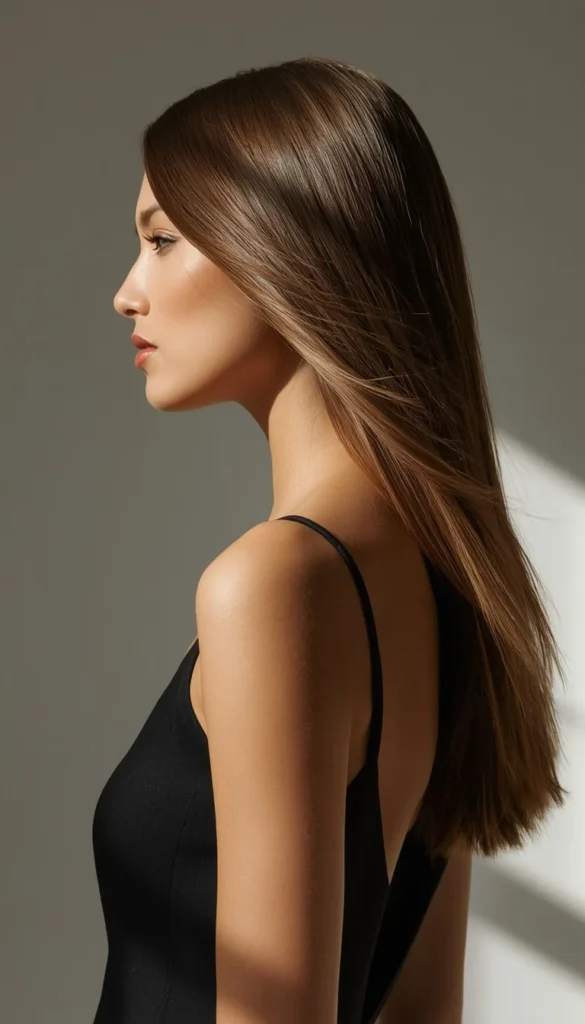
Deep side parts are honestly the most underrated volume hack that costs absolutely nothing. Shifting your part from the middle to deep on one side instantly changes how much hair falls forward versus back, and thicker looking hair is basically just an optical illusion of angles.
Pair this with an A line shape, slightly longer in front and shorter in back, and you get a cut that looks intentionally styled even on your laziest days.
- Try switching which side you part on every few weeks, since hair trained one direction for too long can start looking limp there permanently
- A boar bristle brush at the roots before you part adds a little natural lift without any product
12. Modern Shag Influenced Lob

Shags are having a real moment again, and a lighter, lob length version works beautifully on thin hair as long as you don’t go overboard with layering. The key word here is influenced, not a full blown seventies shag with layers stacked every half inch.
Keep the layering minimal and concentrated mostly around the face, with the rest of the length staying fuller and less broken up. This gives you that fringy, boho energy everyone’s chasing right now without accidentally thinning out hair that was already working with less volume to begin with.
13. Low Maintenance Lob for Busy Lifestyles

Not every client walking into my chair wants a cut that demands twenty minutes and three tools every single morning, and honestly, that’s more than fair. This version leans into simplicity, minimal layering, a clean one length cut, and a shape that air dries into something presentable without much fuss.
The real secret to making a low maintenance cut still look intentional is the initial styling appointment. Ask your stylist to show you exactly how to rough dry it with your fingers, since that fifteen minute lesson saves you months of guessing.
- A texturizing spray applied to damp hair before air drying keeps things from going flat
- Sleeping on a silk pillowcase actually preserves the shape better than people expect
14. Color Enhanced Lob with Balayage or Babylights

Color can either help or hurt the illusion of thickness, and placement is everything here. Heavy chunks of highlight, especially the kind concentrated right around the face in one dense block, can actually create visual gaps that make hair look thinner rather than fuller.
Instead, ask for babylights or a soft balayage that’s painted in thin, varied sections throughout, mimicking how hair naturally lightens in the sun. This kind of dimension tricks the eye into seeing more depth and movement, almost like each strand is doing a little extra work to look fuller than it is. My clients are always surprised how much thicker their hair reads in photos after switching from chunky highlights to this softer, more diffused approach.
Between the low maintenance options and the ones worth the splurge, which fits your life right now?
15. Lob for Second Day and Third Day Hair

Nobody’s hair looks salon fresh every single day, and honestly, most of us are wearing our lob on day two or three far more often than day one. A quick trick I’ve learned that changes everything, apply dry shampoo the night before rather than the morning of, so it has time to actually absorb oil overnight instead of just sitting on top looking powdery.
For day three, a light mist of texturizing spray at the roots followed by finger combing, not brushing, keeps the shape intact without flattening whatever natural volume is left. Brushing thin hair on day three tends to smooth out all the texture that was actually working in your favor.
16. Climate Adaptive Lob Styling
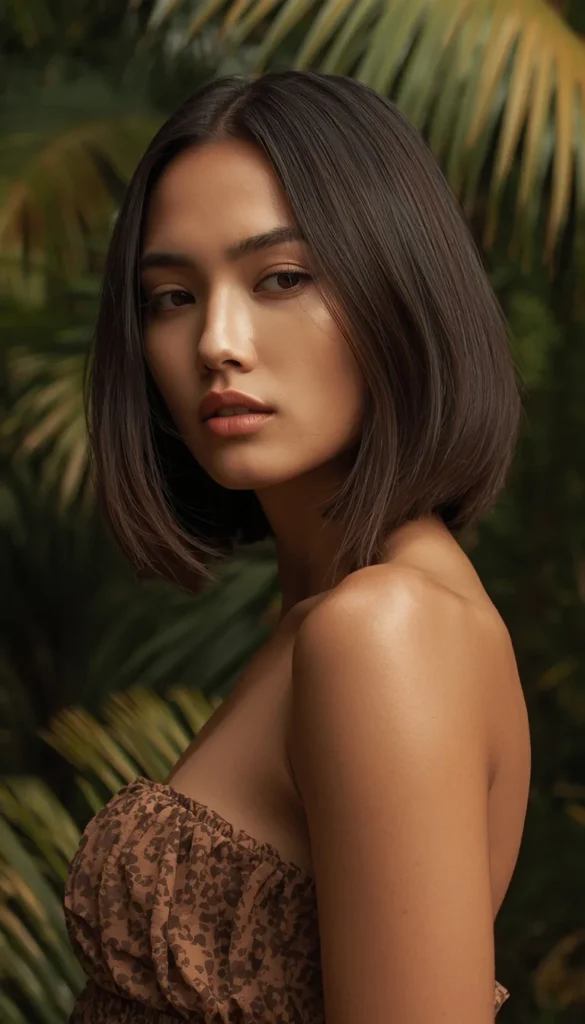
Where you live changes everything about how this cut behaves, and I don’t think that gets said enough. In humid climates like Miami or Houston, a blunt, one length lob actually holds up better than layers, since fewer loose pieces means less frizz creeping in throughout the day. A lightweight anti humidity spray before you walk out the door makes a noticeable difference too.
In drier climates, think Denver or Phoenix, static becomes the enemy instead. A dab of hydrating cream through the ends keeps flyaways down without weighing the whole style flat.
- Cold weather and hats call for looser waves that bounce back easily once you pull that beanie off
- Coastal humidity favors shorter, blunter shapes over long layered ones
Your 60 Second Lob Picker
By Budget
Budget Friendly Picks
- Classic Blunt Lob, minimal product needed beyond a basic styling cream
- Low Maintenance Lob, one bottle of dry shampoo does most of the work
- Shoulder Length Straight Lob, air dries beautifully with zero tools required
Worth the Splurge
- Color Enhanced Balayage Lob, the placement technique needs a skilled colorist
- Wavy Lob, a quality curling wand from Amazon pays for itself in salon days saved
- Volumizing Root Lift Lob, root spray plus the blow dry technique is a game changer
By Lifestyle
Busy Professionals
- Low Maintenance Lob or Classic Blunt Lob
Hot and Humid Climates
- Blunt Lob or A Line Lob with Deep Side Part
New Moms and No Time Mornings
- Shoulder Length Straight Lob or Low Maintenance Lob
Weekend Casual and Errands
- Wavy Lob or Choppy Lob
Date Night or Dressed Up
- Curtain Bangs Lob or Volumizing Root Lift Lob
Frequently Asked Questions
Does a lob haircut make thin hair look thicker?
Yes, a well cut lob is one of the best options for thin hair because the shorter length carries less weight, which naturally lifts and adds density. Length above the collarbone especially helps prevent the ends from thinning out visually.
What is the best lob length for fine hair?
I usually recommend staying right at or just above the collarbone. Any longer and gravity starts working against you, pulling the hair flat and revealing more scalp than you’d like.
Should I get layers if I have thin hair?
It depends on how much you’re getting. A few soft, long layers starting low near the jaw add movement without sacrificing thickness, but heavy layering throughout will thin hair out even more.
How often should I trim a lob for thin hair?
Every six to eight weeks keeps the shape sharp, especially for blunt or angled cuts where growing out even slightly changes the whole silhouette. Choppier styles may need trims a touch more often.
Can I style a lob without heat tools every day?
Absolutely, a blunt or straight lob is built for exactly that. Air drying with a lightweight cream or texturizing spray gets you most of the way there on busy mornings.
Conclusion
Your hair doesn’t need more product, more time, or more effort than you already have to give it. It just needs the right shape, and that’s the whole point of everything we just walked through. Book that consultation, screenshot the version that made you pause, and let your stylist take it from there. Confidence really can start at your collarbone.