Wedding Guest Dress Codes, Explained Simply
Wedding guest dress codes can be confusing. An invitation arrives, and at the bottom, in small print, it says “black tie optional” or “semi-formal” or “garden attire.” You read it twice and still have no idea what to wear. You are not alone: the same words can mean slightly different things at different weddings.
This guide to wedding guest dress codes fixes that. It explains every code in plain words, gives one simple outfit formula for each, and shows you how to check your choice in 30 seconds. No jargon, no guessing. For another clear overview, see Bella Bridesmaids’ wedding dress code guide.
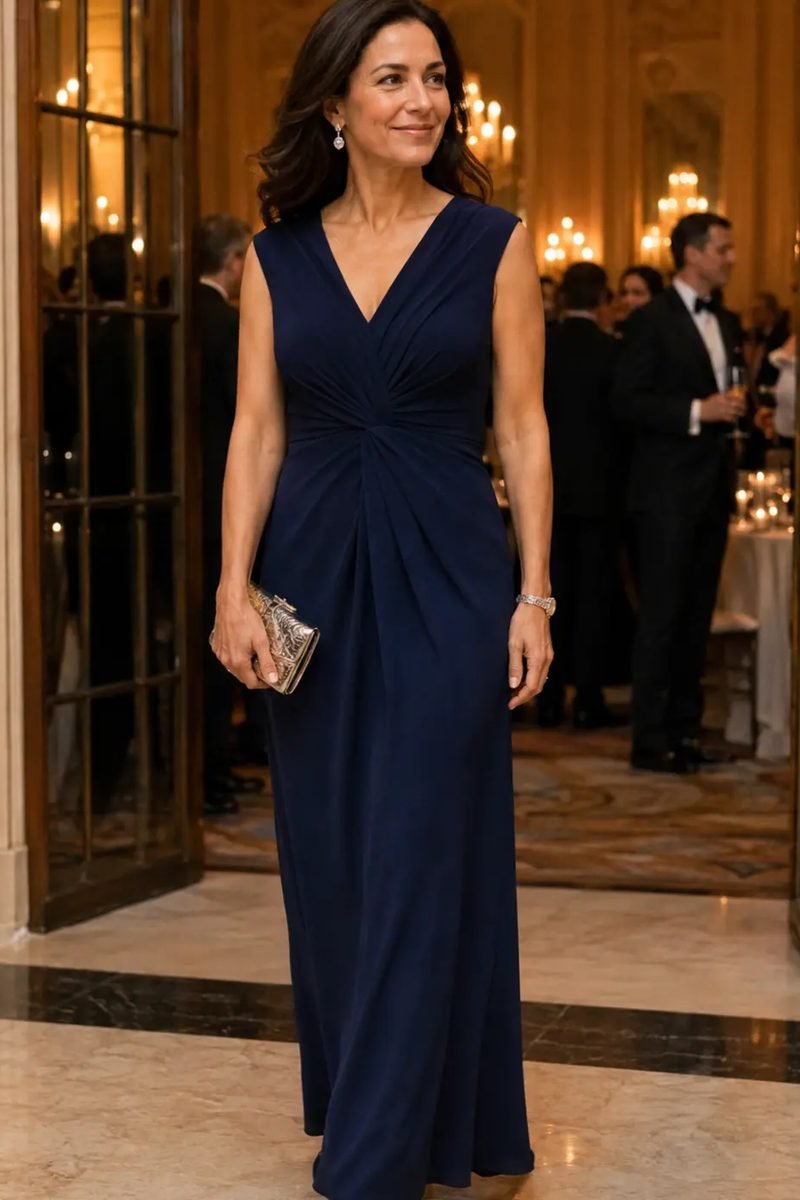
Photo: Wedding Dress Style
THE 3-QUESTION TEST THAT DECODES WEDDING GUEST DRESS CODES
Before you open your closet, answer three questions in this order. They matter more than any single dress code word.
Question 1: What does the invitation actually say? The dress code is your starting point, not your whole answer. Find it on the invitation, the wedding website, or the details card. In a two-word code such as “beach formal,” the second word sets the formality and the first sets the fabric and shoes: formal effort in light, sand-friendly clothes, not a casual beach outfit.
Question 2: When and where is it? Time and venue shift every code by a step. An evening wedding in a ballroom is dressier than the same code at a daytime garden wedding. As a rough rule, ceremonies after 5 or 6 p.m. call for darker colours, richer fabrics, and longer hemlines, while daytime weddings allow lighter colours and prints. A barn or beach points lighter; a ballroom points dressier.
Question 3: What will you stand, walk, and dance on? This is the question most guides skip. Grass, sand, gravel, and decking all rule out thin stilettos, whatever the code says, so choose block heels, wedges, or dressy flats there and save stilettos for solid indoor floors. In cold weather, your coat and shoes are part of the outfit, not an afterthought.
Then apply the golden rule: when torn, choose the dressier one. Slightly overdressed reads as respect; underdressed reads as if you did not care, and no charm fully fixes that in the photos.
White Tie: The Rarest and Most Formal Code
White tie is the most formal dress code in existence, and it is very rare at weddings. If an invitation says white tie, there is no flexible reading of it. Women wear a full-length evening gown or ball gown in silk, satin, or velvet, with fine jewellery and a small evening bag. Anything shorter is out of place. Long gloves are traditional but optional today. Men wear a black tailcoat with a white bow tie and waistcoat.
Black Tie: Floor Length, Rich Fabric, Evening Only
Black tie is the most formal code most guests will ever see: an evening wedding in a ballroom, hotel, or private club, where men wear tuxedos. Women wear a floor-length gown in satin, crepe, velvet, silk, or beaded lace. Black and deep jewel tones such as emerald, navy, and burgundy all read correctly at night.
Use this test: would your outfit look at home beside a row of tuxedos? A cotton maxi touches the floor but still reads as daywear, so it fails even though the length is right, because fabric carries formality more than length does. A jumpsuit passes only if it is unmistakably formal, with a structured cut and luxe fabric. Otherwise, choose the gown, keep jewellery refined, carry a small clutch, and finish with a polished hairstyle; our list of winter formal hairstyles is a good place to find an updo that suits a floor-length gown.
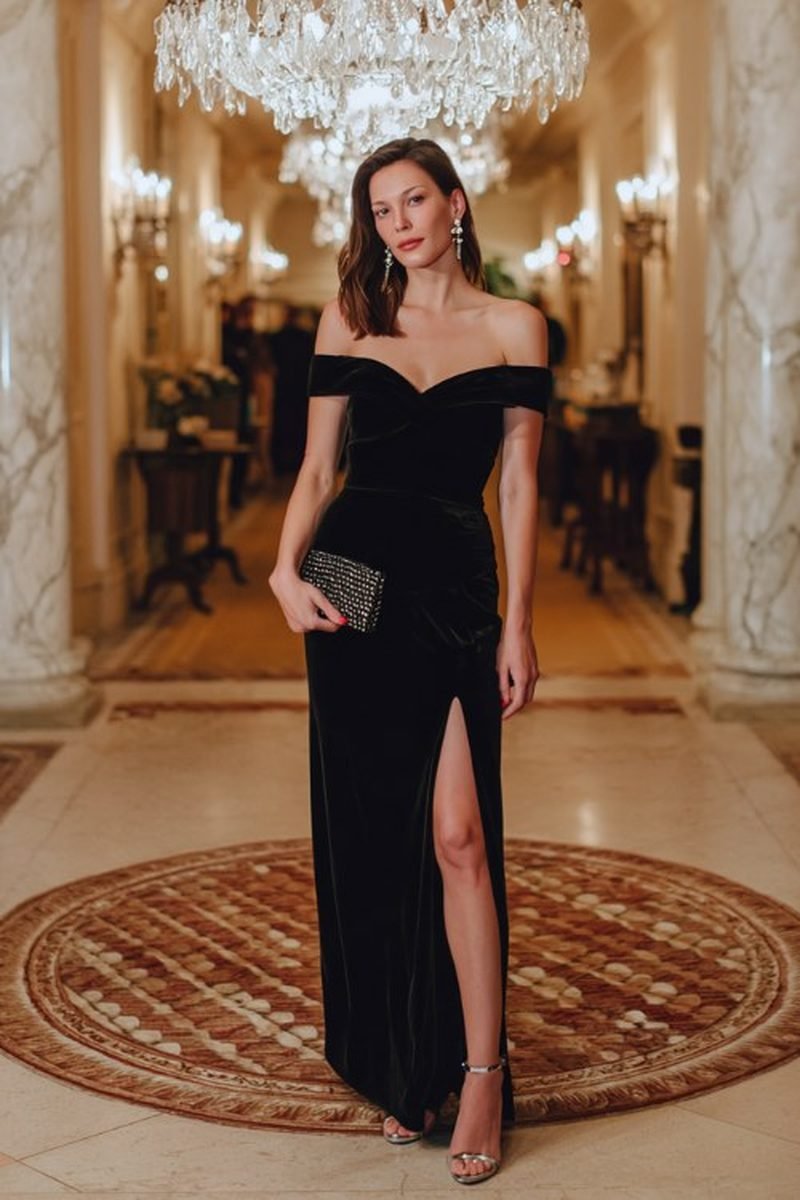
Photo: From The Wardrobe
Black Tie Optional and Formal: The Courteous Middle
“Black tie optional” means the couple would love black tie but will not require it. You have two good routes: a floor-length gown, which is never overdressed here, or a very elegant cocktail dress or midi in heavy silk or satin, with metallic sandals and a structured clutch. Men may wear a tuxedo or a dark suit and tie. For an evening wedding, lean toward the long gown, since later events tend to run more formal.
“Formal” sits just below black tie optional and reads almost the same way. Women wear a long gown or a dressy midi, and for an evening wedding, do not go shorter than tea length, below the knee and above the ankle. Men wear a dark suit and tie. Colours can be richer than at black tie, but skip neon shades and anything that looks like daywear. A one-shoulder neckline, a sequin finish, or an elegant jumpsuit in a rich fabric all fit here.
If you are the mother of the bride or groom, dress to the wedding’s formality and usually one step dressier than the other guests. Traditionally the mother of the bride chooses first and shares her colour and length with the mother of the groom. Choose a colour that complements the wedding palette without copying the bridesmaids, and skip white and ivory. For hair to go with it, see our mother of the bride hairstyles for polished styles that suit an evening celebration.
Cocktail: Polished, Party Length, the Most Forgiving Code
Cocktail is one of the most common wedding guest dress codes, and it is also one of the most forgiving. Think a knee-length or midi dress, a sleek jumpsuit, or coordinated dressy separates, with heels or heeled sandals and one piece of jewellery that stands out. Lace, satin, jacquard, or tailored crepe all work. Prints and pastels suit daytime; darker tones and a little shine suit evening.
Do a sit test before you commit. Sit in front of a mirror in the dress, and if the hem rides up or you keep tugging at it, it will be a long dinner. A simple floor-length dress is usually fine in the evening, but a full ball gown is too much, and a casual, skin-tight mini cannot pass even at a modern cocktail wedding. Cocktail is dressy and festive, not office wear and not club wear.

Photo: BeinStyle
Semi-Formal: One Relaxed Notch Below Cocktail
Semi-formal is the most popular wedding dress code, and also the most confusing, because it sits in a dead zone between casual and formal. The formula is simple: a beautiful midi or knee-length dress, a dressy jumpsuit, or a skirt and blouse in a quality fabric, with block heels, wedges, or dressy flats. Daytime leans lighter and softer; evening leans richer and darker.
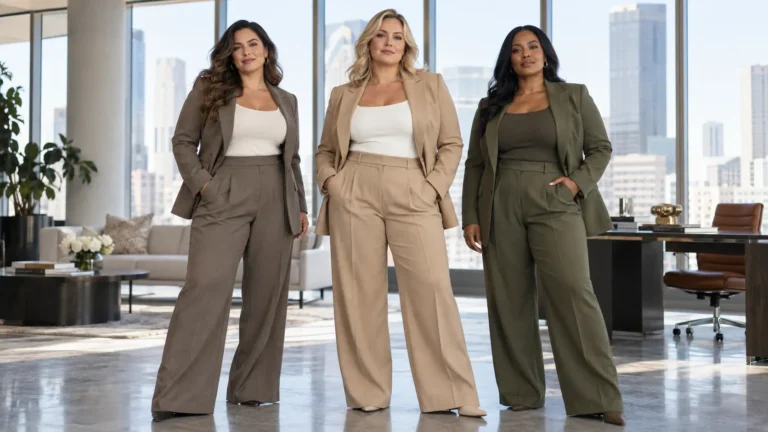
This is the best code for separates. Wide-leg trousers with a silk camisole and a blazer work well, as does a midi skirt with a fine knit. What does not work is anything that reads as work clothes, like a stiff button-down with a pencil skirt, or weekend clothes, like jeans or trainers. A floor-length gown is usually too much here unless the wedding is in the evening in a grand setting, and a tuxedo is overdressed. When in doubt at a semi-formal wedding, treat the evening version as nearly cocktail.
Casual and Dressy Casual: Still Dressed Up
“Casual” on a wedding invitation never means what casual means on a Saturday. It means elevated ease: a smart day dress, a printed midi, a flowing maxi, or a jumpsuit in a soft fabric, with elegant flats or low heels. Men wear dress trousers with a collared shirt, with or without a blazer. Jeans, shorts, T-shirts, and sneakers stay out unless the couple explicitly says otherwise.
“Dressy casual” is one small step above casual. Aim for the polish of a nice lunch or garden party: a well-cut dress, a neat blouse with wide-leg trousers, or a co-ordinated set. If the invitation says “smart casual,” treat it exactly like dressy casual. The couple relaxed the formality as a kindness. Repay it by still clearly dressing for their celebration, not for errands.
Beach, Garden, and Destination Weddings
Themed codes adjust the materials, never the effort. At a beach wedding, choose light, breathable fabrics such as chiffon or a linen blend, in a flowing midi or maxi that moves in the breeze. Wear flat sandals, wedges, or embellished flats, since stilettos sink into sand, and bring a wrap for the evening. If the invitation also says formal or black tie, dress to that level in lighter fabrics.
Garden weddings suit florals, pastels, and soft fabrics in midi or maxi lengths. Block heels, wedges, or dressy flats keep you steady on grass, and a light layer helps once the sun goes down. For a barn wedding, choose sturdier fabrics, block heels or ankle boots, and a hem that clears dusty floors. For a destination wedding, follow the couple’s notes on climate, pack fabrics that travel without heavy creasing, and bring one backup layer. For a themed wedding, nod to the theme rather than wearing a costume: a touch of fringe for a 1920s theme, or the couple’s colours in an accessory, is enough.

Photo: Wedding Pioneer
When No Dress Code Is Given
Many invitations state no wedding guest dress codes at all. Do not panic, and do not default to jeans. Check the wedding website first, since the code is often in an FAQ or travel section. If it is not there, read three signals: the venue, the time, and the invitation design. A ballroom points to at least cocktail, a barn or beach to semi-formal or beach formal, and a ceremony after 5 p.m. points dressier. Formal letterpress points formal; bright illustrated invitations point relaxed.
Without other clues, cocktail-level polish is the safest default: a midi dress or dressy jumpsuit in a quality fabric, with heels or dressy flats. If still unsure, ask the couple or someone in the wedding party: they expect the question.
Winter Wedding Guest Notes: Warm Without Losing the Dress Code
Winter weddings add one problem the other seasons do not: staying warm without breaking wedding guest dress codes. Solve it with thin, polished layers, not bulky ones. A velvet dress, opaque tights, and weather-ready shoes can look formal without leaving you shivering between ceremony and reception. Choose richer winter fabrics: velvet, satin, crepe, brocade, and heavy silk all read formal and hold warmth better than thin chiffon.
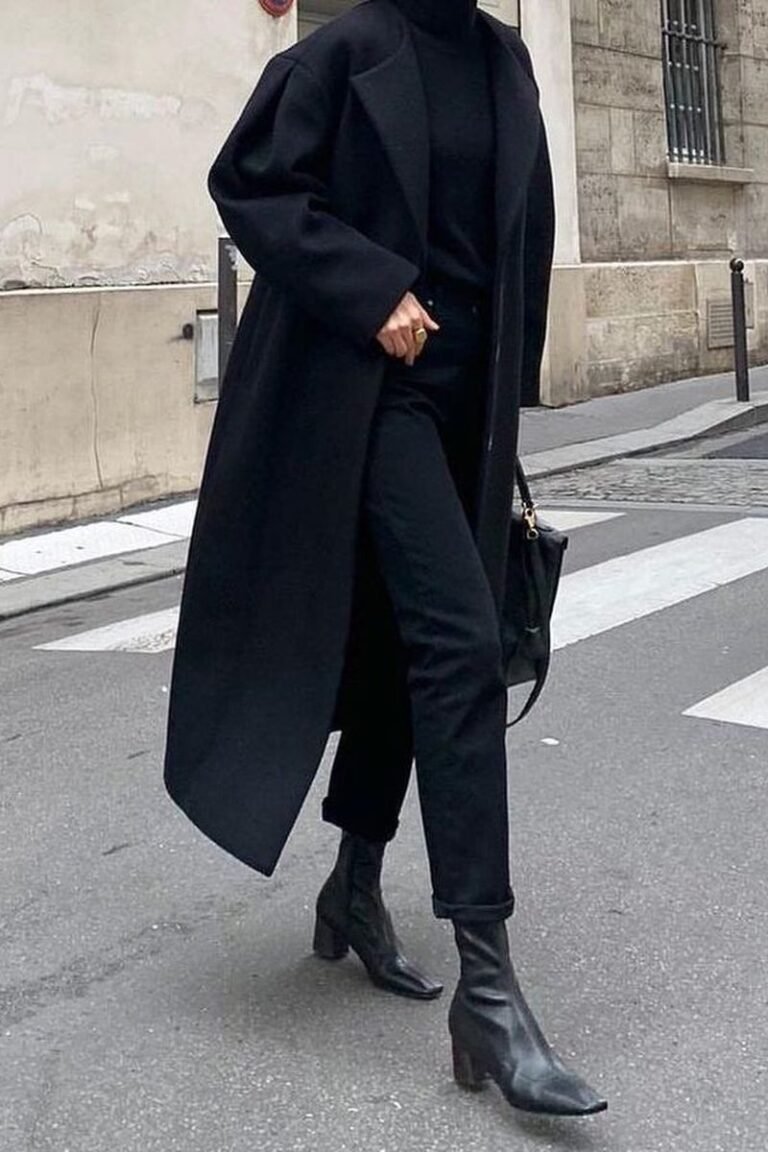
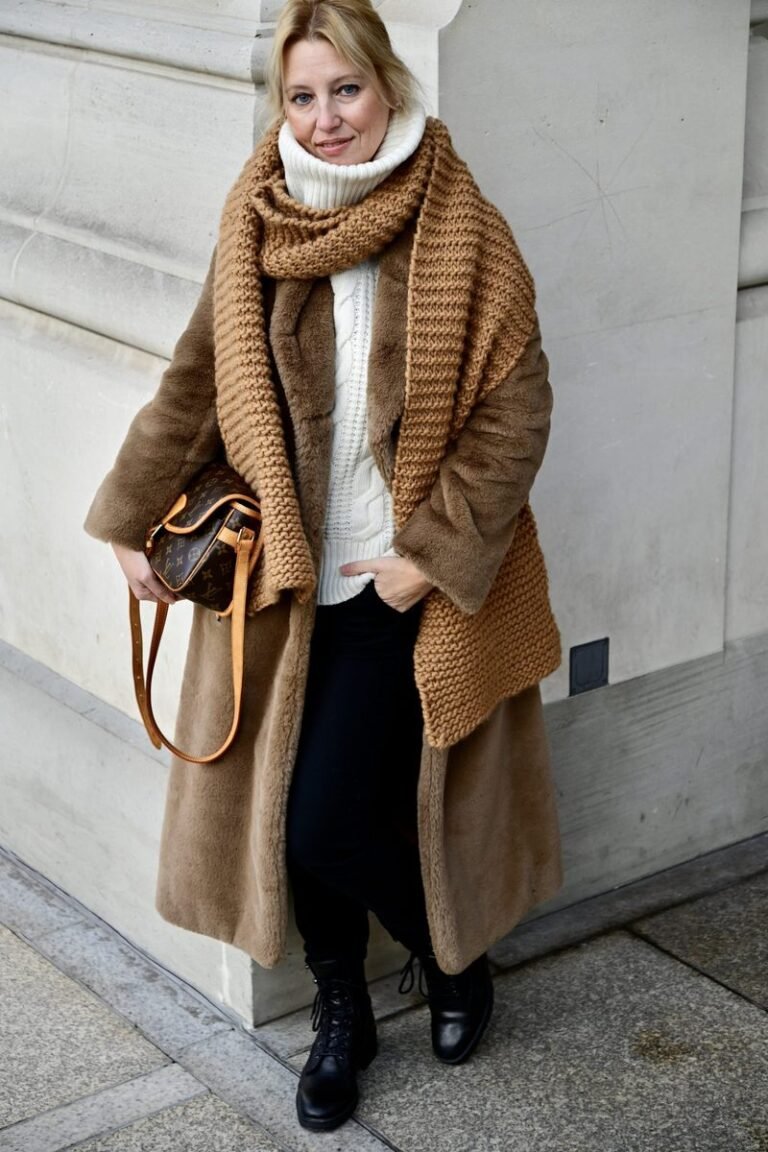
Make your coat part of the outfit. A tailored wool coat, a dressy cape, or a faux-fur wrap that covers the shoulders and reaches at least the hips looks intentional in photos. A cropped jacket leaves the torso exposed, and an everyday puffer ruins a formal outfit even if worn only outside, so if you need one for travel, leave it at coat check and wear your dress coat for photos. For closed-toe shoes with grip, wear heeled boots for arrival and change into dress shoes indoors. One fitted base layer, opaque tights, and a long tailored coat beat three loose cardigans under a narrow sleeve. For full outfit ideas that already solve the cold, see our winter wedding guest outfits.
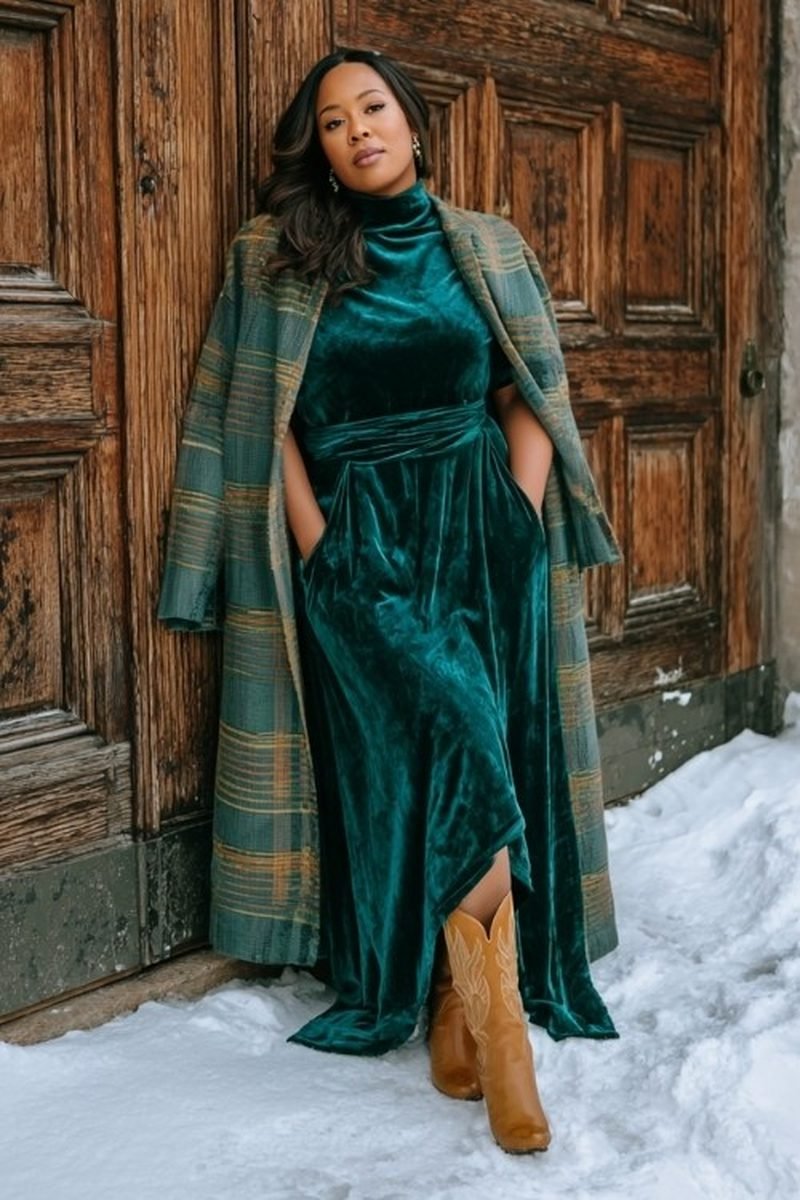
Photo: From The Wardrobe
What Never to Wear as a Wedding Guest
White, ivory, cream, or champagne. These belong to the bride, and anything that photographs white counts, unless the couple specifically asks guests to wear white.
The bridesmaids’ colour, head to toe. If you know the palette, choose something different so you are not mistaken for the wedding party in photos.
Anything bridal-looking. Long trains, veils, and heavily embellished bridal-style gowns compete with the bride, even in another colour.
Jeans, trainers, flip-flops, and gym clothes. Even at the most casual wedding, these read as underdressed unless the couple explicitly invites them.
Anything you cannot sit, eat, and dance in for hours. A dress so tight or short that you keep adjusting it will bother you all evening. Comfort is strategy, because a wedding day is long.
Mistakes to Avoid
Reading only the first word of a two-word code. “Beach formal” is formal first and beach second. “Garden party” still expects occasion clothes. Read the whole phrase, then apply the 3-question test.
Dressing for the ceremony and forgetting the reception. You will sit through dinner, stand for photos, and dance for hours, so a dress that only works standing still in a mirror will fail by the second hour.
Wearing brand-new shoes with no break-in. New heels, untested shapewear, and a first-time hairstyle are all risks on a day with no time to fix them, so wear the shoes at home first, even for one evening.
Over-accessorising a statement dress. One focal point is enough: statement earrings or a bold necklace, rarely both. Let a beaded or printed dress speak, and keep the bag small.
Ignoring the ground under your feet. Stilettos on grass, sand, or decking sink, wobble, and ruin both the shoes and your evening. Match the shoe to the ground first, then to the dress.
Frequently Asked Questions
Can I wear black to a wedding? Yes, at most modern weddings black is fully accepted, especially for evening, formal, and black tie celebrations, where it reads as classic elegance. Add texture such as velvet, satin, or lace so it does not look like a work dress. At daytime or very traditional weddings a colour may feel more celebratory, and some cultures associate black with mourning, so check with the couple if unsure.
Can I wear a jumpsuit to a wedding? Yes, if the fabric and cut are dressy enough for the code. A tailored jumpsuit in silk, crepe, or satin works for cocktail, semi-formal, and black tie optional weddings. A casual cotton or linen jumpsuit reads as holiday wear and does not pass at a formal wedding.
What should I wear if the invitation has no dress code? When wedding guest dress codes are missing, read the venue, time, and invitation design, then default to cocktail-level polish: a midi dress or dressy jumpsuit in a quality fabric. When torn, choose the dressier one, and if still unsure, ask the couple or a member of the wedding party.
Can I wear a maxi dress to a black tie wedding? Yes, if the fabric and finish are genuinely elevated. Black tie is floor length plus richness: a silk maxi with refined detail qualifies, while a casual cotton beach maxi does not, despite the identical length. Judge it by whether it would look at home beside tuxedos.
What colours are safest for a wedding guest? Jewel tones such as emerald, sapphire, and plum, plus navy and soft pastels for daytime, are reliable for nearly any wedding, and metallics work well in the evening. Avoid outright only white, ivory, cream, and champagne, plus the bridesmaids’ exact colour worn head to toe.
Wedding guest dress codes stop being confusing once you treat each word as a level on a ladder. Find your level, check the time, venue, and ground, and dress one step dressier when torn. The goal is simple: look like you cared, feel comfortable for hours, and let the couple be the centre of the day.