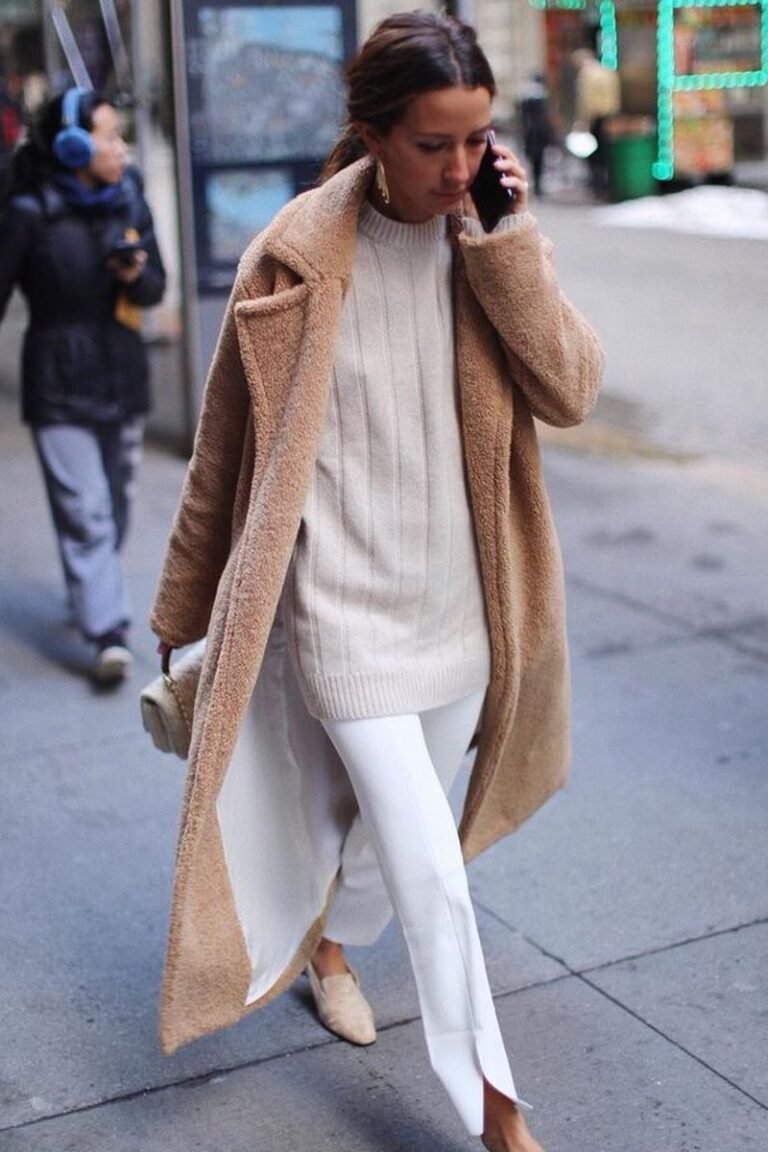
Warmest Winter Fabrics Explained: Wool, Cashmere, Velvet and Faux Fur
Every winter the same thing happens: you buy a coat that looks warm, wear it once in real cold, and find out it is not. The shop was heated and the coat was pretty, but none of that tells you whether a fabric actually keeps you warm. The warmest winter fabrics are not the thickest ones, and they are not always the most expensive ones either. What matters is how a fabric works, and once you know that, you can pick the right piece in seconds.
This guide explains the warmest winter fabrics that matter most for winter — wool, cashmere, velvet and faux fur — and rates each one for warmth, care and value. You will also get the order to buy them in, how to read a label, and the mistakes that waste the most money every winter.
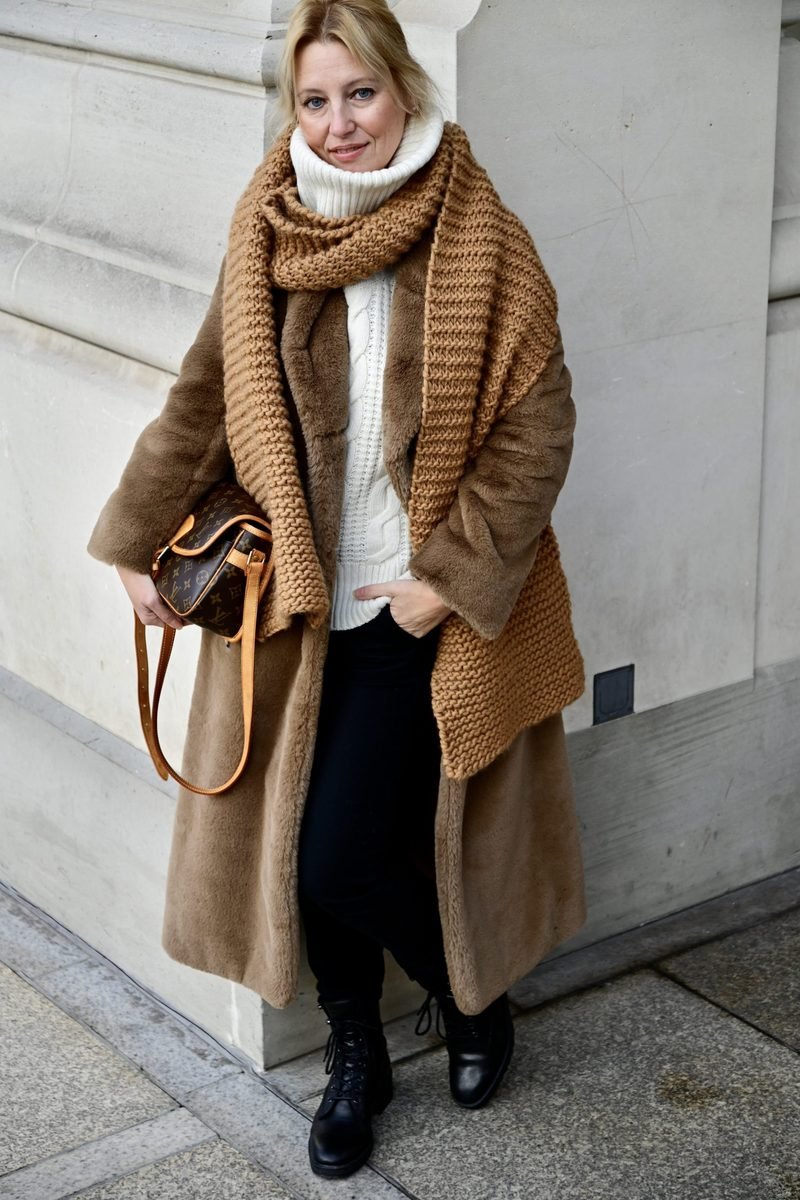
Photo: Claudine’s Room
How Warmth Actually Works
Warmth is not thickness. A fabric keeps you warm in three ways, and the best winter fabrics do all three at once. First, it traps still air next to your body: fluffy fibres and crimped wool are full of tiny air pockets, and your body heats that trapped air like a blanket. Second, it moves sweat away from your skin, because sweat sitting on skin cools you down fast. Third, it blocks wind, which strips warm air away — that is why a loose weave feels cold even when it looks thick.
That is why a thin cashmere sweater can feel warmer than a thick cotton hoodie. Cashmere traps air in fine, crimped fibres and lets moisture escape. Cotton holds sweat against your skin, so it cools you down the moment you stop moving. Thickness only helps when the fibres themselves do the work. Keep this in mind while you read the ratings below: every score comes from these three things, not from how heavy a garment feels in your hand.
Our Warmth Ratings, Explained
To keep this simple, every fabric below gets a warmth score out of five, so you can compare the warmest winter fabrics at a glance. Five means it can handle real cold on its own. Three means it is warm as part of a layered outfit but not enough alone. One means it looks like winter but does not warm you. The scores also come with a care score and a value score, so you can see the trade-offs before you spend anything. No fabric in this guide scores five on everything — the warmest ones always ask something of you, usually in care or in price.
Wool: The Everyday Workhorse
If you buy one warm fabric this winter, make it wool. Wool is the warmest winter fabric for everyday wear because its fibres are naturally crimped, and that crimp traps air in thousands of tiny pockets. It also absorbs up to a third of its weight in moisture without feeling wet, so it keeps warming you even when you come inside damp from snow.
Not all wool is the same. Merino wool has very fine fibres, so it feels soft against skin and never itches the way cheap wool can — it is the best choice for sweaters and base layers. Lambswool is slightly thicker and warmer, and it is what most good winter coats are made from. Icelandic wool is the warmest of all, with a coarse outer layer that blocks wind and a soft inner layer that insulates, but it is heavier and best saved for outerwear.
When you shop, look for the words “merino” or “lambswool” on the label, and be careful with anything that just says “wool blend” without a percentage: a coat that is 20 percent wool and 80 percent acrylic will not behave like wool at all, and nowing the blend is how you spot the warmest winter fabrics on a label.
Warmth: 5 out of 5. Care: 3 out of 5 — hand wash cold or use the wool cycle, dry flat, and never put it in a hot dryer. Value: 5 out of 5 — a good wool sweater costs more than acrylic but lasts for years, so it is the cheapest warmth per winter you can buy. Best for: sweaters, coats, scarves, and anything you wear every single day.
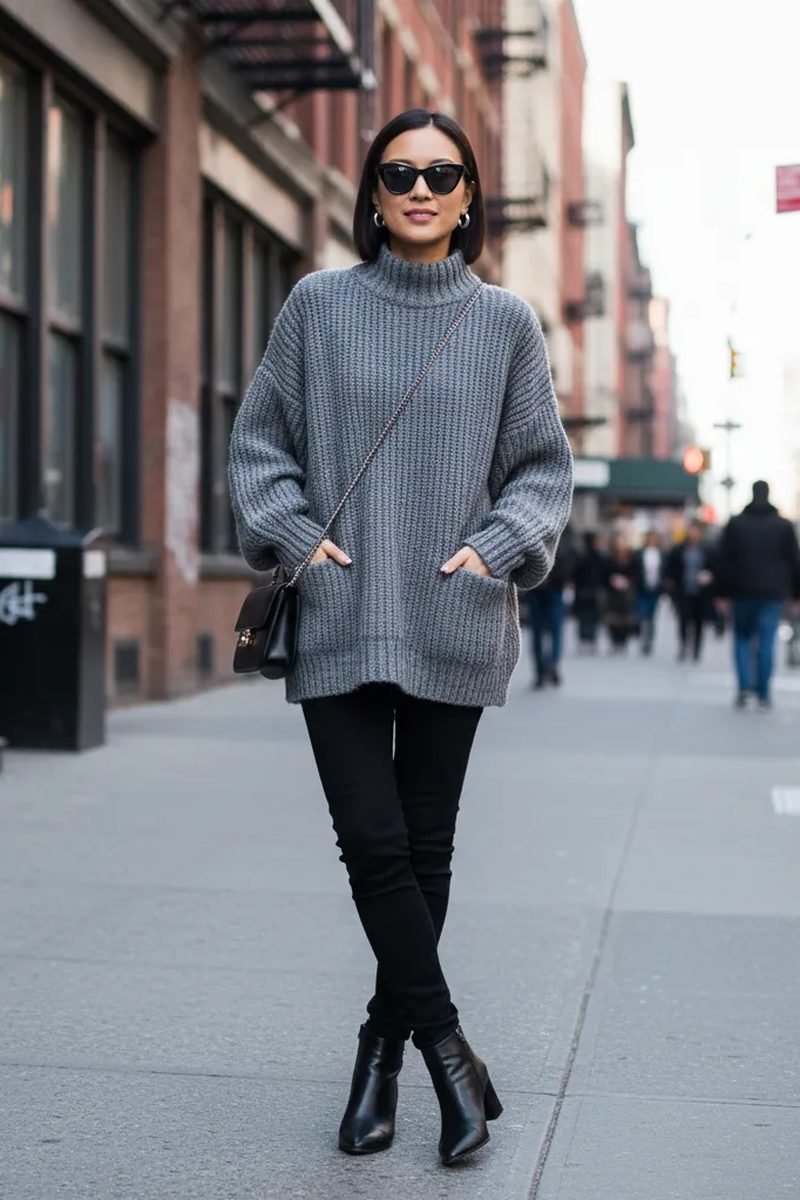
Photo: Shop Spotter
Cashmere: The Luxury Layer
Cashmere is the softest of the warmest winter fabrics, and it is warmer than it looks. It comes from the fine undercoat of cashmere goats, and its fibres are so fine that they trap more air per gram than wool — roughly seven to eight times warmer than merino by weight. That is why a thin cashmere sweater can feel as warm as a much thicker wool one, and why it never makes you look bulky.
The catch is care and price. Cashmere pills, stretches if you hang it, and needs gentle washing. It also attracts fakes: a “cashmere blend” can be 5 percent cashmere and 95 percent viscose, which is not cashmere in any way that matters. Real cashmere feels soft without feeling slippery, has a slight halo of fine fibres, and springs back when you pinch it. If it feels slick and shiny, it is not cashmere. Buy one good piece in a colour you wear constantly instead of three cheap ones.
Warmth: 5 out of 5 for its weight. Care: 2 out of 5 — hand wash cold with mild soap, dry flat, fold it instead of hanging it, and use a cashmere comb for pilling. Value: 3 out of 5 — expensive, but the warmth per gram is unmatched. Best for: sweaters, scarves, and the layer you wear closest to your skin on the coldest days. It earns its place among the warmest winter fabrics.
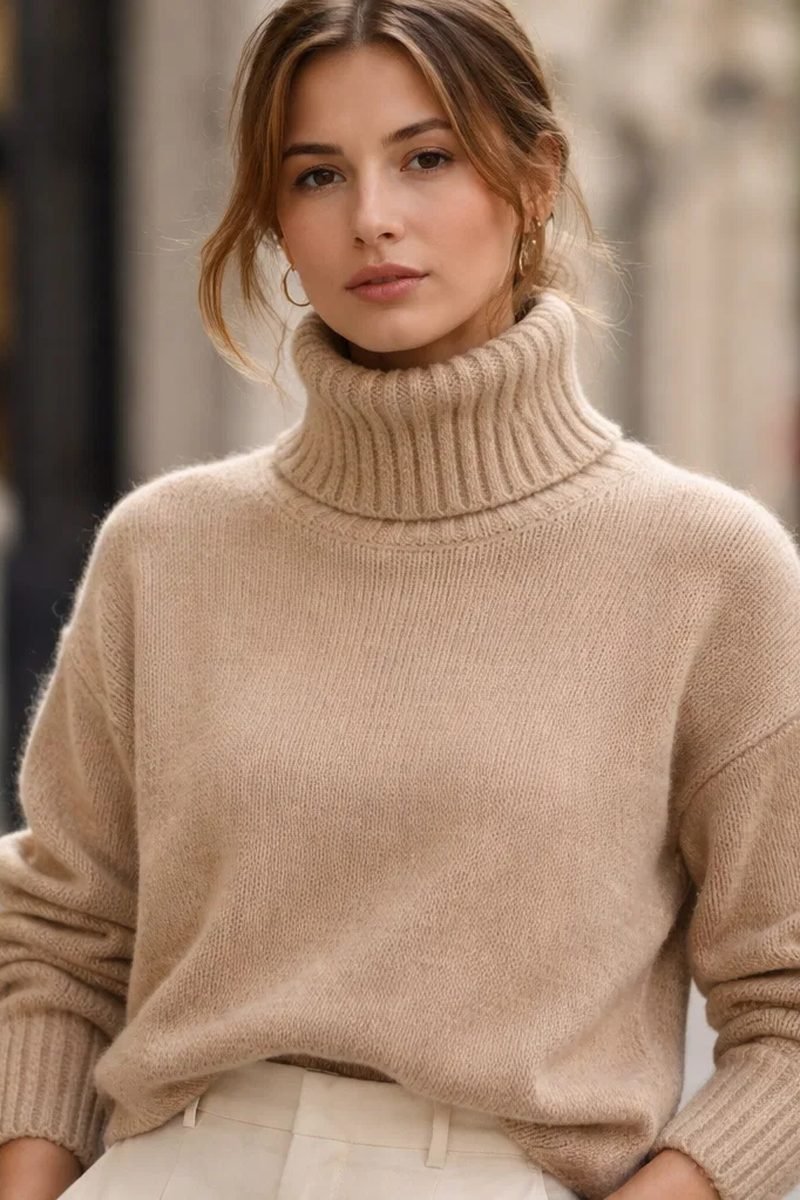
Photo: Knitwear.io
Velvet: The Party Fabric
Velvet is the fabric people buy for how it looks, then discover it is genuinely warm too. Its dense, cut-pile surface traps air, and the tight weave blocks wind better than most people expect. It will never match wool for raw warmth, but a velvet dress with tights and a coat is warm enough for a winter evening out. It earns its place among the warmest winter fabrics.
Velvet has one weakness: it shows every mark. Water spots, pressure marks from sitting, and crushed pile all show up, so it is not an everyday fabric. Choose it for dresses, blazers and skirts you wear to parties, dinners and weddings. Dark colours hide marks best: burgundy, forest green and black velvet all look expensive and forgive small creases. And if you want ideas for wearing it, our 30 velvet outfit ideas for instant holiday glam show how to style it for every kind of winter event.
Warmth: 3 out of 5. Care: 3 out of 5 — steam it instead of ironing it, never fold it tightly, and keep it away from rain. Value: 4 out of 5 — one velvet dress covers every party of the season. Best for: evening dresses, blazers, and anything where the occasion matters as much as the cold.
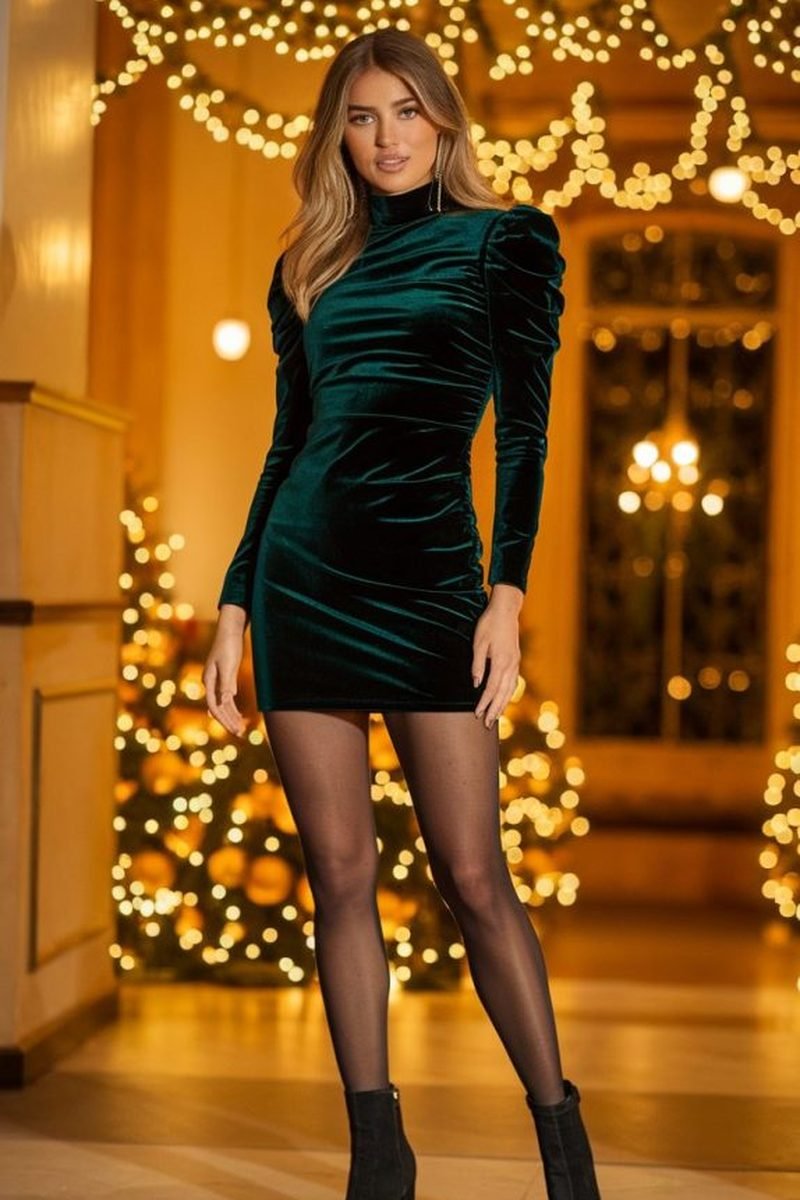
Photo: Best Status Pics
Faux Fur: The Statement Coat
Faux fur is the warmest-looking fabric in this guide, and the warmth is real. Its long, dense pile traps a thick layer of air, and a full-length faux fur coat is one of the warmest things you can wear without going near real fur. Modern faux fur has also got much better: the best versions are soft, dense and heavy, and do not shed the way cheap ones do. That makes it one of the warmest winter fabrics for a statement coat.
Buy it as a coat, not as a trim, if warmth is the goal: a faux fur collar looks lovely but warms nothing, while a full coat replaces a wool coat entirely on cold days. Check the pile before you buy: part the fur with your fingers and look at the backing. If you can see through to the base easily, the pile is thin and the coat will not be warm. If the pile is dense and springs back when you press it, it will hold heat properly. Our 28 faux fur coat outfits for women that look luxe, not loud show how to wear a full faux fur coat without looking overdressed.
Warmth: 4 out of 5. Care: 4 out of 5 — shake it out after wearing, brush it gently, and store it hanging with space around it so the pile does not crush. Value: 4 out of 5 — one good coat lasts for years and makes every outfit under it look finished. Best for: full-length coats, and the coldest days when you want warmth and presence in one piece.

Photo: Zynetrex
Also Worth Knowing: Fleece, Tweed and Corduroy
Three more fabrics show up in winter shops constantly, and they are worth a quick word. Fleece is the budget hero: light, soft, fast to dry, and warm for very little money, which makes it the best choice for casual jackets and layering. It is not elegant and it pills over time, but nothing else gives you this much warmth for this little money. Tweed is wool woven tightly into a textured cloth, and it is one of the best fabrics for structured blazers and coats because it blocks wind so well. Corduroy is a ribbed cotton fabric that looks like winter and feels warm, but it holds moisture, so it works best for skirts and trousers on dry days rather than as your main defence against real cold. Each has a place, even if none is among the warmest winter fabrics on its own.
What to Buy First: The Smart Order
If you are building a winter wardrobe from zero, buy the warmest winter fabrics in this order and you will never waste money. First, a merino wool sweater in a neutral colour you wear every day — this is the piece that does the most work. Second, a wool coat that falls below the knee, because a coat decides how warm you feel outside. Third, a cashmere scarf, which warms your neck and chest for a fraction of the price of a cashmere sweater. Fourth, one velvet dress for parties. Fifth, a faux fur coat if you love the look and live somewhere properly cold. This order puts the warmth where you feel it first and the statement pieces last, which is exactly how a capsule wardrobe should be built — our 30 winter capsule wardrobe outfit ideas from a few key pieces show how a small set of pieces like these turns into a full season of outfits.
How to Read a Label Before You Pay
The label tells you more than the price tag does, and it takes ten seconds to read. First, check the fibre percentages: 100 percent wool, 100 percent cashmere, or a high wool content (70 percent or more) is what you are paying for. Second, watch for the word “blend” without numbers — a “wool blend” can legally be mostly acrylic.
Third, feel the fabric against your inner wrist, not your palm: your wrist is more sensitive and will tell you in seconds whether a sweater will itch all day. Fourth, hold the fabric up to the light: if you can see through a “warm” sweater easily, the knit is too loose to trap air. Finally, check the care label before you fall in love: if it says dry clean only and you never dry clean anything, that garment will live in your closet unworn.
How to Care for Winter Fabrics
The warmest winter fabrics last for years when you treat them right, and most of the care is simple. Wash wool and cashmere cold and dry them flat. Steam velvet instead of ironing it, and store it hanging so it does not crease. Brush faux fur gently, shake it out after wearing, and keep it away from heat. Do this and your winter pieces will still look new in three years.
Mistakes to Avoid
The most expensive winter mistake is buying warmth by thickness. A thick acrylic sweater looks warm and feels warm in a heated shop, but acrylic does not trap air the way wool does, and it does not move sweat away, so you end up cold and clammy outside. The second mistake is buying a “cashmere blend” that is barely cashmere — read the label, and if cashmere is under 30 percent, you are paying for the word, not the fibre. The third mistake is choosing cotton as a base layer: cotton holds sweat against your skin, so a cotton top under a wool coat makes you colder, not warmer. The fourth mistake is ignoring the wind: a loose, open weave lets wind strip your warmth away no matter how thick the fabric is. And the last mistake is washing winter fabrics like summer clothes: hot water and a hot dryer shrink wool, ruin cashmere, and crush velvet, and none of that can be undone.
Frequently Asked Questions
What is the warmest fabric for winter?
Wool is the warmest natural fabric for everyday winter wear, and cashmere is warmer still by weight. Of all the warmest winter fabrics, a wool coat over a merino base layer wins on the coldest days, because the layers trap air between them as well as inside the fibres. That is why it leads most lists of the warmest winter fabrics.
Is cashmere really warmer than wool?
Yes, gram for gram. Cashmere fibres are finer, so they trap more air per gram, and a thin cashmere sweater can feel as warm as a much thicker wool one. But cashmere is more delicate and more expensive, so wool is the better everyday choice.
Is velvet warm enough for winter?
Velvet is warm enough for winter evenings and parties, especially as a dress worn with tights and a coat. It is not warm enough on its own for a cold day outside.
Does faux fur actually keep you warm?
Yes, when the pile is dense. A full-length faux fur coat with thick, springy pile traps a lot of air and is one of the warmest coats you can buy. A thin trim or a coat with sparse pile will not keep you warm, so check the density by parting the fur before you buy.
What fabric should I avoid in winter?
Avoid cotton as a base layer, because it holds sweat against your skin and cools you down. Avoid thin acrylic sweaters that look chunky but are mostly air and plastic: they feel warm in the shop and cold outside.
Final Thoughts
The warmest winter fabrics are not a mystery once you know the three rules: trap air, move sweat away, block wind. Wool does all three for everyday wear. Cashmere does them better in a lighter layer. Velvet does them well enough for a party. Faux fur does them with presence on the coldest days. Buy in the smart order, read the label before you pay, and wash everything cold and flat — and this winter your clothes will finally do what they promised in the shop.