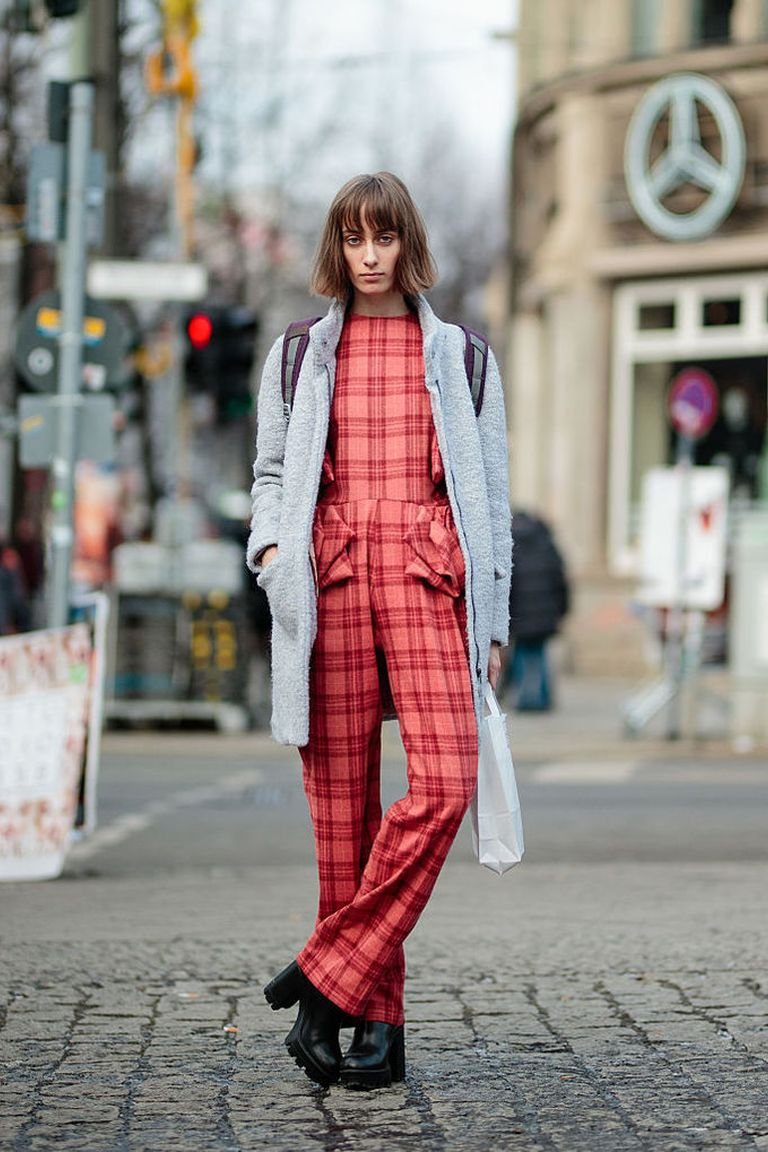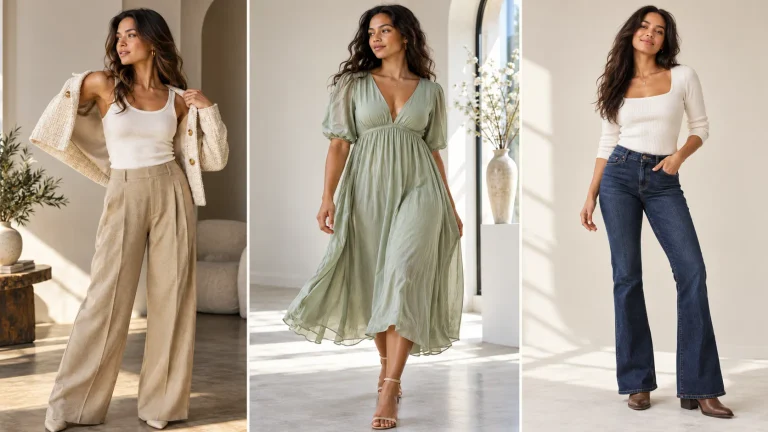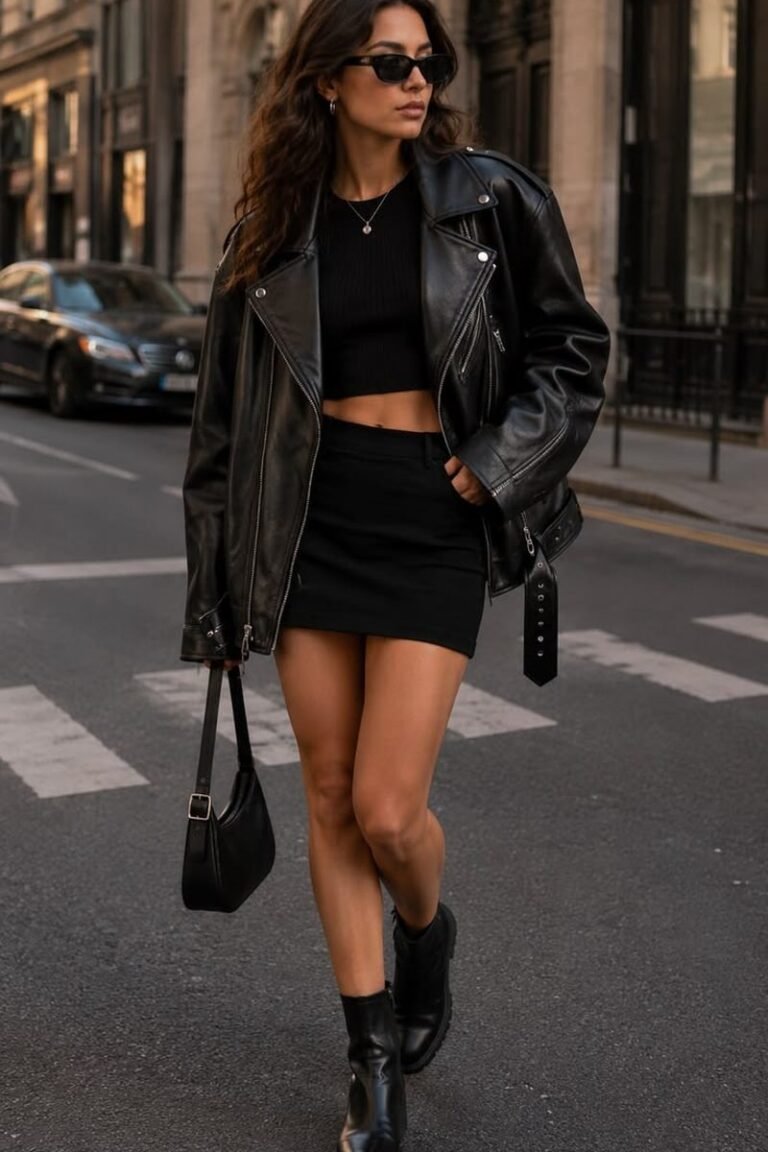
What Is Color Analysis? The 12 Seasons Explained Simply
You already know the puzzle, even if you have never heard the term. One top earns you compliments all day; another, in a color that looks almost the same on the hanger, makes people ask if you slept badly. So what is color analysis? It is the system built to explain that difference — and to tell you, in advance, which colors will do which.
It is having a moment: booked-out studios in Seoul and London, apps all over social media. But strip away the trend and it is a simple idea with a long history — what it is, how the 4-season and 12-season systems differ, what happens in a session, and, honestly, where its limits are.

Photo: Darina Belonogova / Pexels
What Is Color Analysis in Plain Words
Color analysis is a method for finding the family of colors that harmonizes with your natural coloring — your skin, hair and eyes taken together. Instead of asking “is this a nice color?”, it asks “is this color built the same way I am?” When the answer is yes, your skin tends to look smoother, your eyes clearer and your face more awake, before any makeup goes on.
Analysts judge that “built the same way” idea with three qualities. The first is undertone: whether your skin leans warm (golden, peachy) or cool (pink, rosy). The second is value: how light or deep your overall coloring is. The third is chroma: whether your coloring looks bright and clear, or soft and blended. Every wearable color can be described with the same three qualities, so your result is really a match between two sets of measurements.
The output is a season — a named palette like Soft Autumn or Bright Winter, plus swatches you can shop with. Think of it less as a personality label, more as a personal color library: a few dozen shades that reliably work near your face.
Our complete guide to seasonal color analysis charts all 12 seasons with their palettes and signature outfit colors.
A Short History: From Art Class to Seoul
The roots are in art, not fashion. In the early 1900s, Bauhaus teacher Johannes Itten noticed his students instinctively painted in colors that matched their own coloring, and grouped those palettes by the four seasons. Albert Munsell’s color system supplied the measuring tools: every color described by hue, value and chroma — the same three qualities analysts still use.
In California, Suzanne Caygill turned those ideas into a personal service, draping clients in fabric and building them individual palettes. Then Carole Jackson’s Color Me Beautiful (1980) took the four seasons mainstream: millions of women sorted into Spring, Summer, Autumn or Winter, swatch wallet in hand.
The 12-season refinement came from analysts who kept meeting people the four boxes fitted badly — Kathryn Kalisz and the Sci/ART method are the names most often credited. The current boom has a second birthplace: South Korea, where “personal color” studios became a beauty standard in the 2010s before spreading worldwide through social media. That is why the same idea now appears as a studio session in one video and a phone app in the next.
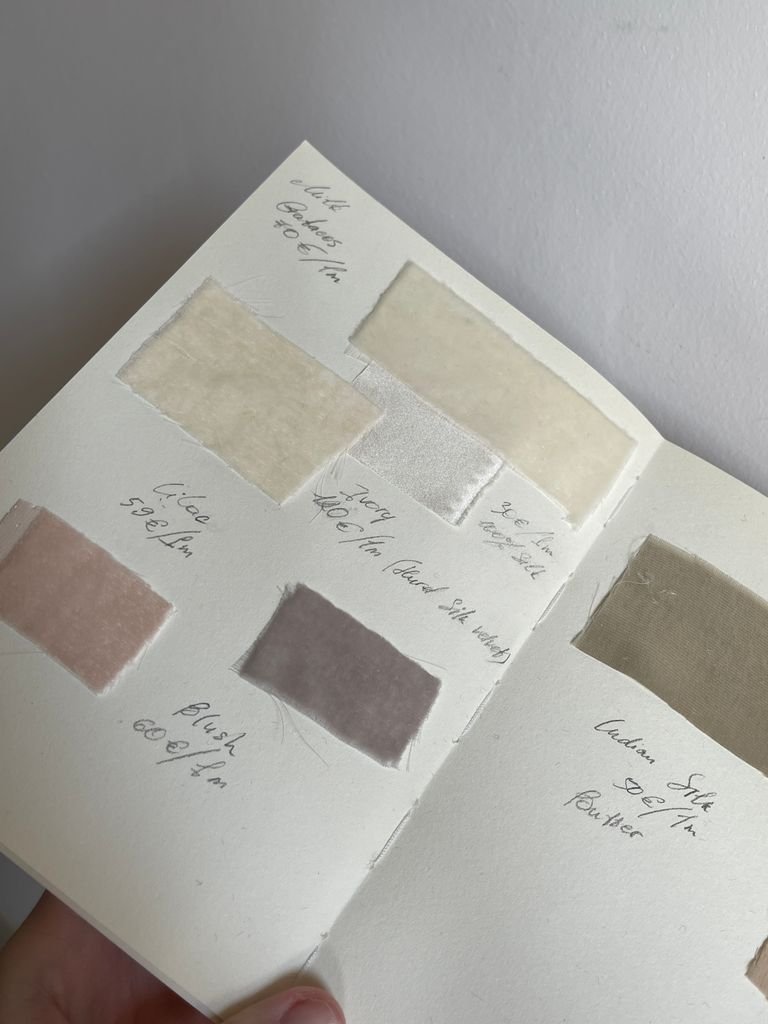
Photo: Eugenia Remark / Pexels
4 Seasons or 12 Seasons: What Is the Difference?
The classic four-season system sorts you by two questions: is your undertone warm or cool, and is your coloring light or deep? Warm and light makes a Spring, cool and light a Summer, warm and deep an Autumn, cool and deep a Winter. It is quick and memorable — and roughly right for many people.
Its weakness shows up at the borders. A woman with dark hair, bright eyes and warm-neutral skin fits neither Spring (too deep) nor Winter (too warm) — the four-box system forces a compromise, and the compromise palette is half wrong. Cases like hers are not rare — they are most of the people who have ever felt “between seasons.”
The 12-season system keeps the four families and splits each into three, named after whichever quality matters most in that person. A Light Spring is light first and warm second; a Soft Autumn is soft first and warm second; the third member of each family is the “true” one, named for its temperature (Warm Spring, Cool Summer, Warm Autumn, Cool Winter). The 12-season system is now the professional standard, because it gives borderline people a box of their own instead of a compromise.
Two cousins of the system exist. 16-season versions add four extra categories for the hardest borderline cases. The tonal system skips season names entirely and labels you by your dominant quality alone — Deep, Light, Warm, Cool, Bright or Soft. All of them read the same three qualities and slice the answer differently. If you are starting out, learn the 12 seasons: it is the vocabulary most analysts, apps and palette shops share.
What Actually Happens in a Color Analysis Session
A professional session usually runs 60 to 150 minutes, and it is more clinical than glamorous. You arrive with no makeup on (or it is removed), your hair is covered with a neutral cap if it is dyed, and you sit facing natural or daylight-balanced light.
Then come the drapes: a sequence of fabric pieces held under your chin. First, test drapes settle the big questions — gold versus silver for undertone, bright versus muted for chroma, light versus deep for value. Then full season drapes are compared side by side. With the right palette, skin looks more even and eyes brighter; with the wrong one, shadows and redness show up. It is subtle on some faces and startling on others.
You leave with your season, a swatch wallet or digital palette, and usually a short list of your best neutrals, metals and makeup tones. Prices vary widely by city and experience — roughly $100 to $500 and up for established studios — and it is normally a one-off expense: your undertone does not expire.
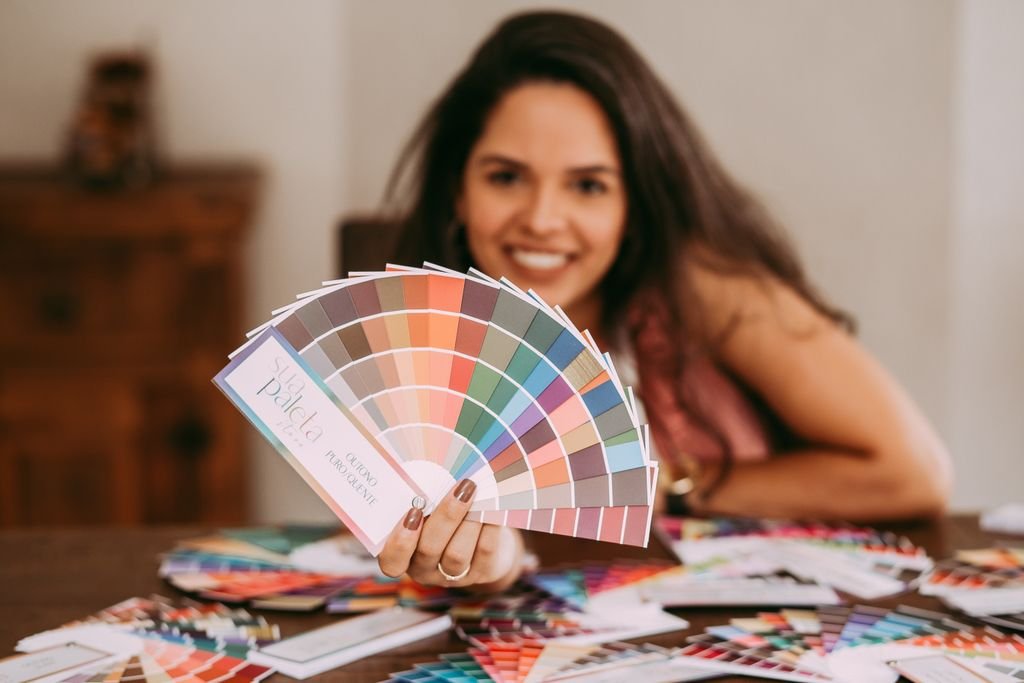
Photo: Helena Lopes / Pexels
What Your Result Actually Changes in Your Wardrobe
A season label changes nothing by itself. What changes is how many shopping and dressing decisions turn out well. Readers who use their palette usually report the same five shifts.
Shopping becomes filtering. A rail of 200 tops becomes the 20 in your palette worth trying on. Sale mistakes drop, because “great price, wrong color” stops being tempting.
Your wardrobe starts to match itself. When your basics share one palette, tops and bottoms combine almost automatically. This is the quiet engine behind capsule wardrobes that actually work.
Makeup gets simpler and cheaper. Lipstick, blush and eyeshadow all come in warm and cool, bright and soft versions. Your season points at your side of each divide, so the drawer of nearly-right lipsticks stops growing.
Hair color stops being guesswork. Your best shades are the ones built like your season: ashy and cool for Summers and Winters, golden and rich for Springs and Autumns. Plenty of “unflattering” dye jobs turn out to be simple season mismatches.
Getting dressed gets faster. Not because you own fewer things, but because what you own agrees with itself and with you. Honest expectations, though: color is one layer of style — fit, fabric and taste still matter, and no palette fixes a dress that does not fit.

Photo: Nataliya Vaitkevich / Pexels
Apps vs In-Person Draping: The Honest Difference
Most people now meet color analysis through an app: upload a selfie, answer a few questions, receive a season and a digital palette, usually free or nearly so. The limits are worth knowing before you rebuild a wardrobe on the result.
What apps struggle with. A phone camera is not a neutral measuring tool. Auto white balance “corrects” your skin tone in every photo; indoor light adds yellow or blue casts; beauty filters soften the contrast analysts need to see; and dyed hair pulls the result toward the dye, not toward you. Chroma — bright versus soft — is the quality apps misjudge most, and it splits half of the 12 seasons from each other.
What in-person draping adds. Controlled light, real fabric against real skin, dozens of comparisons instead of one photo, and a trained eye that can watch your skin react across a whole family of colors — exactly where between-season people get sorted correctly.
So which should you choose? An app result is a reasonable free first guess — treat it as a hypothesis. For experimenting with a few tops, it is enough. If you plan to rebuild a wardrobe, dye your hair on the result, or keep landing between two seasons, one proper draping session is the better buy. One warning applies to both: color analysis is trained visual judgment, not lab science. Two good analysts can differ by one sub-season on a borderline face. That disagreement is about the border, not about whether the system works.

Photo: Andrea Piacquadio / Pexels
Common Myths and Mistakes
Ask ten people what is color analysis and you will hear at least one of these.
Myth 1: The wrist-vein test gives you your season. At best, veins hint at undertone — one quality out of three — and on many skin tones they are barely readable. No one’s season was ever settled by a wrist.
Myth 2: Black looks good on everyone. Black is a Winter color: deep, cool and high-contrast. On softer or warmer coloring it drains the face and exaggerates shadows — why so many people own black yet feel something is “off.”
Myth 3: Your season is the colors you love. Preference and harmony are different things. Most of us love some colors that do not love us back. Wear them anyway — in trousers, shoes or bags, away from your face — but do not let your favorites type you.
Myth 4: Once you know your season, everything else is banned. A palette is a filter, not a fence. Your strongest colors belong near your face; the rest of the color wheel is still available further away, in smaller doses, or borrowed from your sister season.
Myth 5: One quiz answer is your final answer. Quizzes compress three qualities into a few multiple-choice questions, and borderline results are the norm, not the exception. Treat any single result as “most likely,” and confirm with fabric in daylight before spending real money.
Myth 6: Color analysis only works on fair skin. It does not. The system reads undertone, value and chroma, and all three exist at every skin depth — deep skin can be warm or cool, bright or soft, exactly like fair skin. Older marketing photos skewed fair; the method itself never did.
Is Color Analysis Worth It?
If you enjoy clothes and ever stand in a shop unsure why one shade works and its neighbor does not, yes — even a rough idea of your season pays for itself in avoided mistakes. You do not have to start with a paid session: a mirror, daylight and a few fabrics will teach you the warm-versus-cool and bright-versus-soft questions surprisingly fast. Start with the free experiments, and spend money only if you want the precision of the full 12-season answer.
Frequently Asked Questions
Is color analysis the same as finding your undertone?
No — undertone is only one of the three qualities measured, alongside value and chroma. Two people can share a cool undertone and land in different seasons: a Cool Summer and a Bright Winter are both cool, but one is soft and light, the other deep and vivid. Undertone alone narrows you to six seasons, not one.
Does color analysis work for deep and dark skin tones?
Yes. The three qualities are relative, not absolute: deep skin can have warm or cool undertones, clear or muted chroma, and any level of contrast between hair, skin and eyes. Analysts drape the same way at every skin depth, and the 12 seasons include deep, rich palettes — Deep Autumn and Deep Winter — described with deeper coloring in mind.
How much does a professional color analysis cost?
Most established analysts charge roughly $100 to $500, with famous city studios above that. It is normally a one-time cost — your season does not change as you age (only your contrast softens, shifting the emphasis inside your family) — and the swatch wallet is meant to last for years. Apps cost little or nothing, with the accuracy trade-offs described above.
What should I wear to a color analysis session?
Arrive with a bare face — no foundation, bronzer or tinted moisturizer, since the analyst needs to watch your real skin react. Keep hair natural if you can; dyed hair gets covered with a neutral cap during draping. Wear a plain, neutral top or expect to be draped over it, and bring your daily glasses — frames are part of how colors sit on your face.
Can two analysts give me different seasons?
Yes, and it is more common than the industry advertises. Borderline faces sit between sister seasons, and analysts trained in different systems (4, 12 or 16 seasons) draw the borders differently. A one-step difference — Soft Summer versus Soft Autumn, say — usually means your dominant quality is strong and your temperature signal weak, and you will look good in most of both palettes. A wildly different result (Spring from one analyst, Winter from another) is a sign to get a third opinion in daylight.
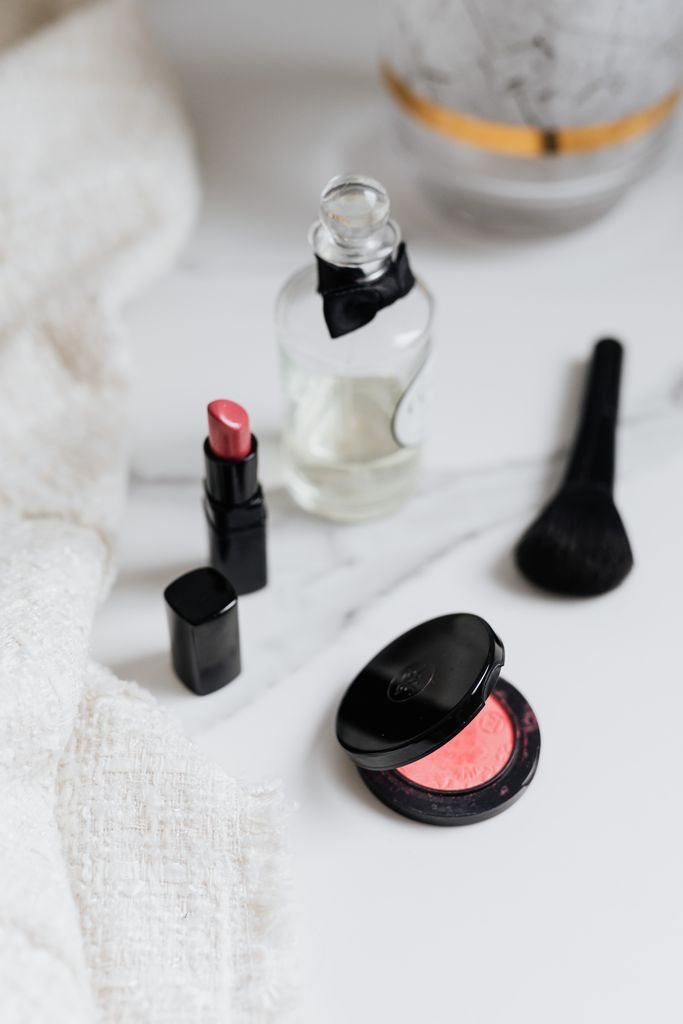
Photo: Kaboompics / Pexels
You May Also Like
Winter Hair Color Ideas — the hair shades that flatter you follow the same warm/cool, bright/soft logic as your season; start with this season’s richest options.
Gray Blending for Older Women — going grey softens your contrast but not your season; here is how to blend grey in a way that keeps your coloring in charge.