Seasonal Color Analysis: The Complete Guide to the 12 Color Seasons (Palettes + Outfit Ideas)
Some colors make you look rested, bright and put-together before you have even done your makeup. Others make you look tired no matter how good the outfit is. That difference is not luck — it is your color season. Seasonal color analysis is the system that matches the colors you wear to your natural coloring, and once you know your season, getting dressed and shopping both get much faster.
This guide explains the whole system in plain language: the three dimensions that decide your season, the full chart of all 12 color seasons with their palettes and signature outfit colors, and how to start finding yours at home — with just a mirror and daylight.

Photo: @radiantcolorstudio / Instagram
What Is Seasonal Color Analysis?
Seasonal color analysis is a method of grouping colors into palettes that harmonize with a person’s natural coloring — skin, hair and eyes together. It started with the classic four-season system (Spring, Summer, Autumn, Winter) popularized by Carole Jackson’s Color Me Beautiful in the 1980s, and was later refined into the 12-season system most analysts use today, where each of the four families splits into three sub-seasons.
The idea is simple. Every color has an undertone, a depth and a level of brightness — and so does your natural coloring. When the colors near your face share those qualities, your skin looks clearer and your eyes brighter. The system is a guide, not a rulebook — but as a shopping and outfit-building filter, it is one of the most practical style tools there is.
The 3 Dimensions That Decide Your Season
Every one of the 12 seasons is just a combination of the three dimensions below. Understand these, and the chart further down stops looking complicated.
1. Undertone: warm or cool
Undertone is the hidden temperature of your skin. Warm skin has golden, yellow or peachy hints; cool skin has pink, rosy or blue-ish hints. It is not the same as skin depth — very fair skin can be warm, and deep skin can be cool. Quick clues: gold jewelry usually flatters warm undertones, silver flatters cool ones; the veins inside your wrist tend to look greenish if you are warm and blue or purple if you are cool. Springs and Autumns are the warm families; Summers and Winters are the cool ones.
2. Value: light or deep
Value is how light or deep your overall coloring is — the combined effect of your skin depth, hair color and eye color. Someone with pale skin, light blonde hair and light eyes has light value; someone with deep skin or very dark hair and eyes has deep value. Value is also where contrast lives: a big depth gap between hair, skin and eyes means high contrast; features close together in depth mean low contrast. Deep, high-contrast coloring can carry strong, dark colors; light, low-contrast coloring is easily overwhelmed by them.
3. Chroma: bright or soft
Chroma is how clear or muted your coloring looks. Bright (clear) coloring has a crisp, vivid quality — jewel-bright eyes, shiny hair, clear skin. Soft (muted) coloring is blended and powdery — ashy hair, grey-mixed eyes. Bright types light up in clear, saturated colors and look washed out in dusty ones. Soft types glow in muted, greyed-down colors and can look overpowered by neon brights. Springs and Winters are the clear families; Summers and Autumns are the soft ones.
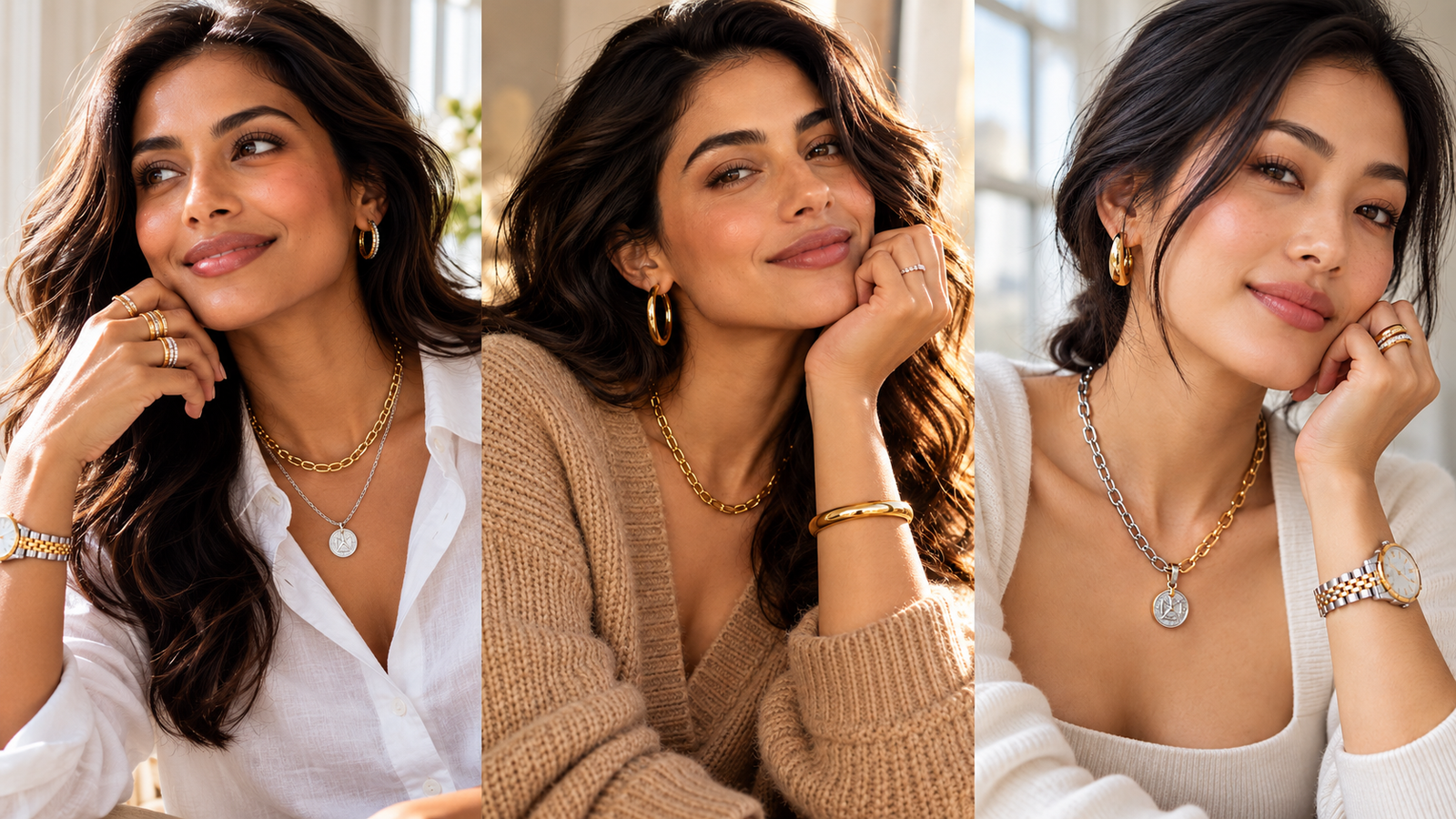
Photo: @shinefitss / Instagram
How the 12 Seasons Fit Together
Each family splits into three sub-seasons, each named after the dimension that matters most for that person. A Light Spring is light first, warm second. A Soft Autumn is soft first, warm second. The third sub-season in each family is the “true” one, named after the family’s temperature itself — Warm Spring, Cool Summer, Warm Autumn, Cool Winter.
The 12 seasons also sit next to each other like a wheel. Neighbors that share your dominant trait are called sister seasons, and you can usually borrow their best colors. Soft Summer and Soft Autumn are sisters (both soft), Deep Autumn and Deep Winter are sisters (both deep), and Bright Spring and Bright Winter are sisters (both bright). This is why being “between two seasons” is normal: your dominant trait is simply stronger than your temperature.
The 12 Color Seasons at a Glance
Find the row that sounds most like you, then read its family section below for the palette, who it suits and the outfit colors to start with.
| Season | Family | Dominant trait | Best neutral | Signature colors |
|---|---|---|---|---|
| Light Spring | Spring | Light | Ivory | Peach, light aqua, soft coral |
| Warm Spring | Spring | Warm | Camel | Coral, warm gold, fresh green |
| Bright Spring | Spring | Bright | Warm navy | Bright turquoise, vivid coral |
| Light Summer | Summer | Light | Light grey | Powder blue, dusty rose, lavender |
| Cool Summer | Summer | Cool | Slate blue | Raspberry, plum, cool blue |
| Soft Summer | Summer | Soft | Taupe-grey | Dusty teal, muted mauve, sage |
| Soft Autumn | Autumn | Soft | Camel | Olive, dusty peach, soft teal |
| Warm Autumn | Autumn | Warm | Chocolate | Rust, mustard, olive |
| Deep Autumn | Autumn | Deep | Espresso | Deep teal, warm burgundy, brick |
| Deep Winter | Winter | Deep | Black | Emerald, sapphire, wine |
| Cool Winter | Winter | Cool | Pure white | Icy blue, fuchsia, royal purple |
| Bright Winter | Winter | Bright | Black | Hot pink, cobalt, emerald |
The Spring Family: warm, light and clear
Springs have warm undertones, light-to-medium value and clear, fresh coloring: golden, bright and never dusty. Black is usually too harsh — warm navy, camel and chocolate do the same job more kindly.
Light Spring
Palette: ivory, light peach, soft coral, pale aqua, warm light green, light camel. Who it suits: light blonde or light warm-brown hair, light eyes, fair warm-neutral skin, low contrast. Signature outfit colors: peach or soft coral with ivory; light aqua near the face.
Warm Spring (True Spring)
Palette: warm gold, coral, marigold, tomato red, fresh green, warm turquoise. Who it suits: golden, strawberry blonde or warm brown hair; green, hazel or warm brown eyes; clear golden skin. Signature outfit colors: coral with warm gold; fresh green is your best alternative to basic blue.
Bright Spring
Palette: vivid coral, bright turquoise, warm hot pink, clear green, with warm navy as your dark neutral. Who it suits: the high-contrast Spring — darker hair, bright clear eyes, neutral-warm skin. Signature outfit colors: bright turquoise and vivid coral; you can wear bright color head-to-toe.

Photo: @shinefitss / Instagram
The Summer Family: cool, light and soft
Summers have cool undertones, light-to-medium value and soft, blended coloring: powdery blues, dusty roses and nothing harsh. Pure black and stark white usually drain Summers — soft white, grey and dusty navy are your versions.
Light Summer
Palette: powder blue, dusty rose, lavender, pale lilac, light grey, gentle mint. Who it suits: light ash-blonde or light brown hair, light cool eyes, fair rosy skin, delicate low contrast. Signature outfit colors: powder blue with dusty rose; lavender is your statement color.
Cool Summer (True Summer)
Palette: cool mid-blue, raspberry, plum, slate blue, rose pink, periwinkle, medium grey. Who it suits: ash-brown or dark ash-blonde hair, cool blue, grey or green eyes, rosy-cool skin. Signature outfit colors: slate blue as your base; raspberry and plum as rich accents instead of red.
Soft Summer
Palette: dusty teal, muted mauve, sage, soft plum, taupe-grey, dusty blue. Who it suits: mousy ash-brown hair, soft grey-green or blue eyes, neutral-cool skin, the lowest contrast of the cool seasons. Your sister season is Soft Autumn. Signature outfit colors: dusty teal, muted mauve and sage in soft fabrics.
The Autumn Family: warm, rich and soft
Autumns have warm undertones, medium-to-deep value and soft-but-rich coloring: earthy, golden and textured. Stark white and icy pastels usually fight Autumn coloring — your white is ivory or cream, and texture (suede, wool, corduroy, matte gold) is your best friend.
Soft Autumn
Palette: camel, olive, dusty peach, soft teal, warm taupe, muted coral, sage. Who it suits: warm blonde, dark blonde or light warm-brown hair; hazel, green or warm brown eyes; neutral-warm skin, low contrast. Your sister season is Soft Summer. Signature outfit colors: camel with olive as the base pairing; dusty peach near the face.
Warm Autumn (True Autumn)
Palette: rust, terracotta, mustard, olive, forest green, warm burgundy, with ivory as your white. Who it suits: red, auburn or rich brown hair; warm brown, hazel or green eyes; golden skin, medium contrast. Signature outfit colors: rust and mustard are your headline colors; olive is your most useful neutral after chocolate.
Deep Autumn
Palette: espresso, chocolate, deep teal, brick red, warm burgundy, rich olive. Who it suits: dark brown or black hair with warmth in it, deep warm-brown or hazel eyes, medium-deep to deep skin, medium-high contrast. Your sister season is Deep Winter. Signature outfit colors: deep teal with espresso; warm burgundy is your red.

Photo: @shinefitss / Instagram
The Winter Family: cool, deep and clear
Winters have cool undertones, medium-to-deep value and clear, high-contrast coloring: crisp, vivid and dramatic. Winters are the only family that wears pure black and stark white beautifully — dusty, muted colors are the ones that usually let you down.
Deep Winter
Palette: black, pure white, sapphire, emerald, ruby and wine, charcoal. Who it suits: dark hair and dark eyes with strong contrast against cool-neutral skin — including many deep skin tones. Your sister season is Deep Autumn. Signature outfit colors: emerald and sapphire; black with pure white is your power contrast.
Cool Winter (True Winter)
Palette: pure white, black, icy blue, royal purple, fuchsia, true red, cool jewel tones. Who it suits: dark or ash hair (silver-grey hair is a natural Cool Winter crown), cool blue or grey eyes, rosy-cool skin, high contrast. Signature outfit colors: icy blue near the face; fuchsia as your statement; true red instead of orange-red.
Bright Winter
Palette: hot pink, cobalt and electric blue, emerald, vivid purple, icy brights, set against black and snow white. Who it suits: dark hair with remarkably bright, clear eyes and neutral-cool skin; the highest-contrast coloring of all 12 seasons. Your sister season is Bright Spring. Signature outfit colors: hot pink and cobalt — you can wear more brightness than anyone else in the system.
How to Start Finding Your Season
You do not need to land on your exact sub-season today. Work through these steps in order and you will narrow twelve options down to two or three — which is close enough to start dressing better this week.
- Find your undertone first. Use the clues in the undertone section above: gold vs silver jewelry, the wrist-vein test, and whether a pure white or an ivory top makes your skin look clearer. This splits the 12 seasons into a warm six and a cool six.
- Judge your value. Check a black-and-white photo of yourself: mostly light, close-together features point to the Light seasons; deep and dramatic points to the Deep or Winter side.
- Judge your chroma. Do bright, clear colors make you look awake, or do they wear you? Do dusty colors look elegant on you, or tiring? Your reaction to a bright fuchsia top vs a dusty rose one answers this.
- Pick your dominant trait, then your family. Combine the three answers: dominant trait (light, deep, bright, soft, warm or cool) first, family second. That combination is your season name.
- Confirm with a daylight drape test. Hold three or four fabrics from your likely palette under your chin in natural light, no makeup. The right colors smooth your skin and brighten your eyes; the wrong ones show up shadows and redness. Trust the mirror over any quiz result.
Photo: @shinefitss / Instagram
How to Dress in Your Palette Once You Know It
Knowing your season only helps if it changes what you actually wear. Here is the outfit-first way to use it — the part most analysis sites skip.
Start with your neutrals, not your brights. Every season has a best white, a best dark and two or three workhorse neutrals (see the chart). Coats, trousers, jeans and bags in your neutrals are the pieces you will wear for years, so get those right first. When every basic shares one palette, everything automatically goes together — the secret behind capsule wardrobes that actually work.
Put your best colors near your face. Palette colors do their work in tops, scarves, dresses and earrings. Bottoms and shoes in off-palette colors harm nothing — prioritize tops when you shop.
Build outfits in threes. One neutral base, one main palette color, one accent (often your lipstick or a bag). Three-color outfits from one palette look planned without effort, and prints containing your palette colors are an easy shortcut.
Use the palette as a shopping filter, not a cage. “Is it in my season?” is a fast yes/no test that kills most impulse buys and sale mistakes. For colors you love outside your palette, borrow from your sister season, wear them away from your face, or keep them for evenings out. The goal is a wardrobe that works harder, not a smaller life.
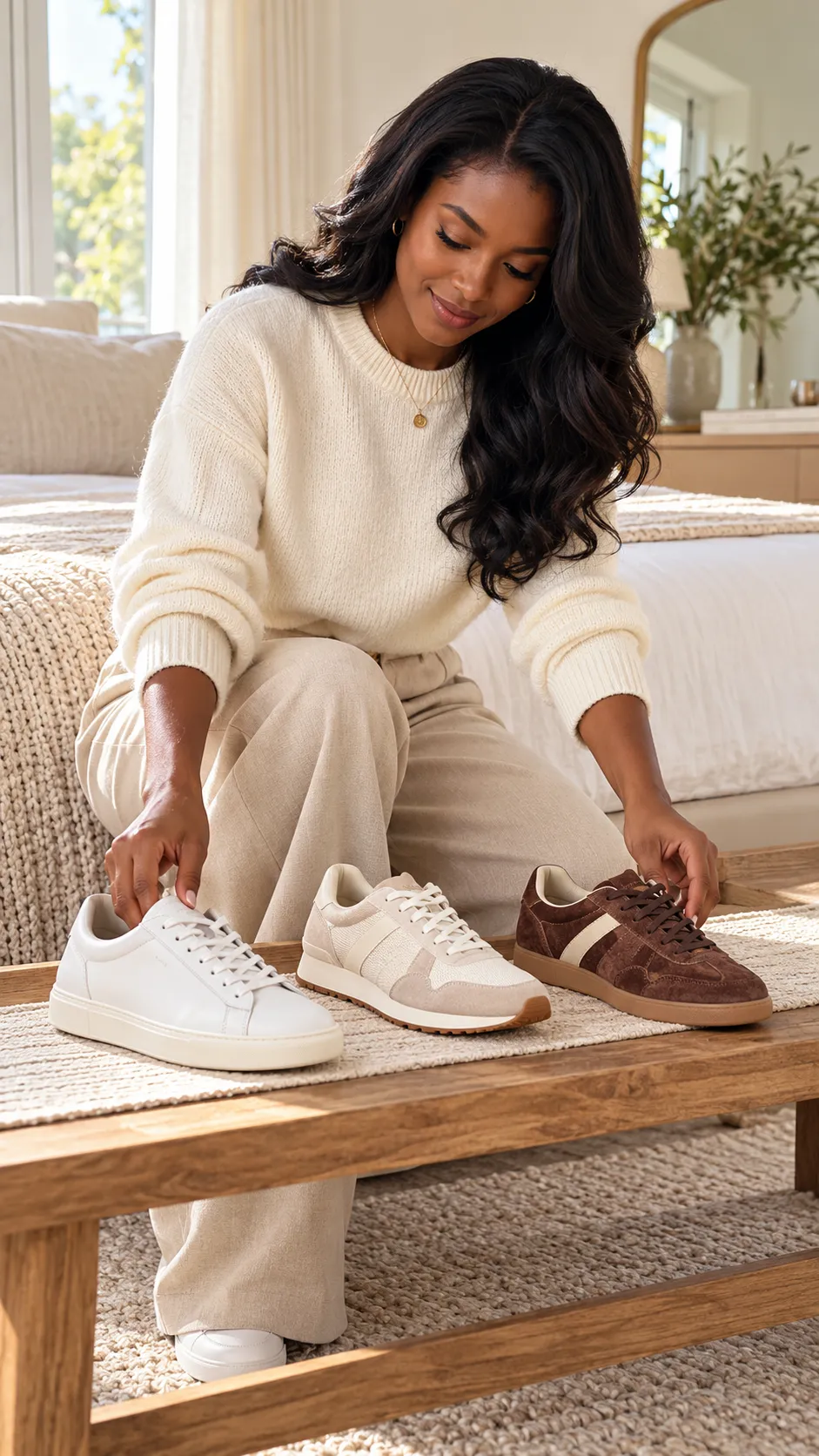
Photo: @shinefitss / Instagram
Frequently Asked Questions
What are the 12 color seasons?
The 12 seasons are Light Spring, Warm Spring and Bright Spring; Light Summer, Cool Summer and Soft Summer; Soft Autumn, Warm Autumn and Deep Autumn; and Deep Winter, Cool Winter and Bright Winter. Each is a combination of undertone (warm or cool), value (light or deep) and chroma (bright or soft), named after the trait that dominates.
Do I have to throw away clothes that are not in my palette?
No. Colors matter most near your face. Keep off-palette bottoms, shoes and bags; wear off-palette tops with a scarf or necklace in your colors. Replace pieces gradually, starting with the basics you wear most.
Can my color season change if I dye my hair or go grey?
Your season is based on your natural coloring, especially your skin undertone, which does not change. Hair dye cannot change your season — which is why some dye jobs never look right. Going grey can soften your contrast, which sometimes shifts the emphasis within your family (a Cool Winter may lean on her softer colors), but the family itself stays the same.
How accurate are online quizzes and AI color analysis apps?
Treat them as a starting point, not a verdict. Phone cameras shift colors a great deal, and quizzes judge chroma and contrast poorly from a selfie. If an app and a daylight drape test disagree, trust the drape test. Borderline results are common, because many people sit between two sister seasons.
What if I fall between two seasons?
Then you have a dominant trait plus a close second — which is what sister seasons are for. Wear your main season as your base palette and borrow freely from the sister that shares your dominant trait (Soft Summer and Soft Autumn, Deep Autumn and Deep Winter, Bright Spring and Bright Winter). Most people get better results from two well-matched palettes than from one enforced box.
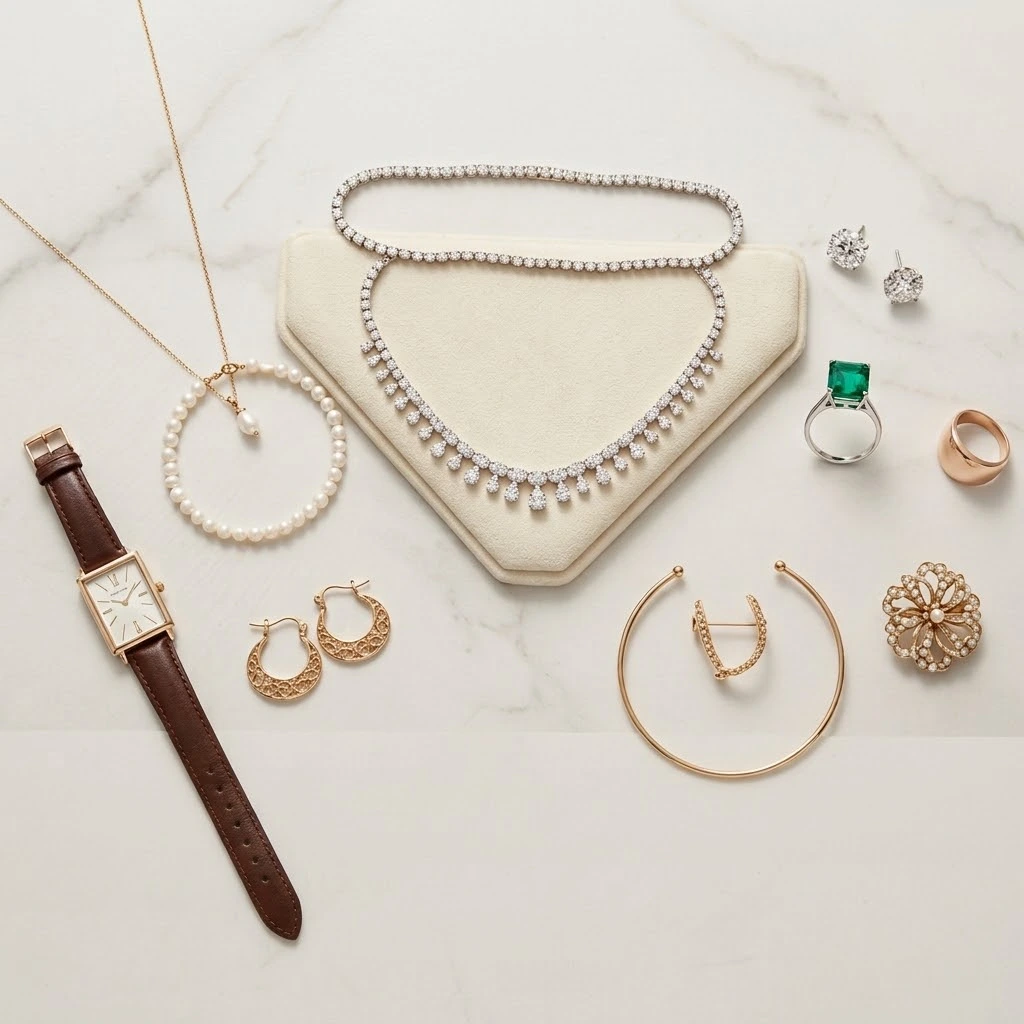
Photo: @shinefitss / Instagram
You May Also Like
Winter Capsule Wardrobe Outfit Ideas — once you know your season, a capsule built from a few key pieces in one palette is the easiest wardrobe you will ever dress from.
How to Mix Gold and Silver Jewelry — your undertone decides which metal flatters you most; here is how to wear your best metal, and mix the two on purpose.