18 Low Maintenance Hairstyles for 60 Year Old Woman With Fine Hair Ideas
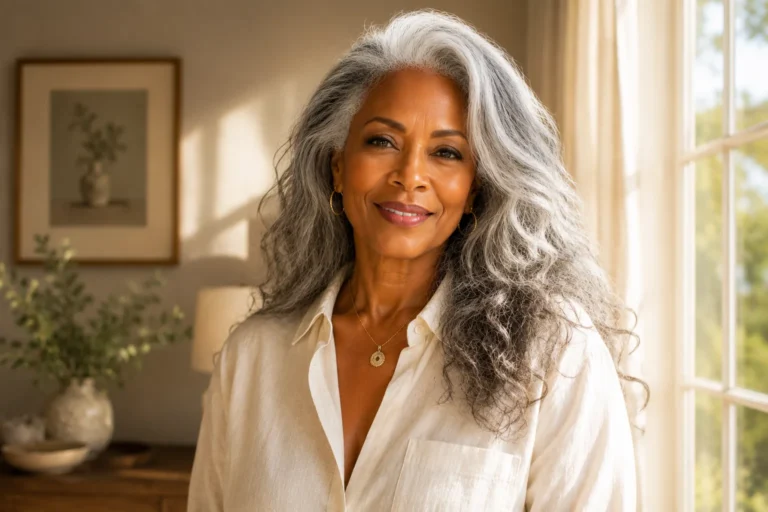
Fine hair after 60 has a funny way of losing every ounce of patience for hot tools and forty five minute routines, and honestly, mine has too. I have sat across from more clients than I can count who whisper the same confession, that they miss having hair that just does something when they wake up. The good news is you do not need more product or more time, you need a smarter cut. That is exactly what we are diving into today, eighteen low maintenance styles that give fine hair real body without asking for your whole morning.
My Styling Notes
I still think about the bride’s mom who flew into Nashville from Arizona for her daughter’s wedding weekend. She had been growing out a pixie for eight months because someone online told her longer hair reads younger after sixty. By the time she sat in my chair, her fine hair had gone completely flat and shapeless, and she had three days of humid Tennessee events ahead of her with zero time to fuss over it every morning. I talked her into cutting it back into a soft shag with layers around her face, and she texted me a photo from the reception three days later looking just as fresh as day one. That appointment taught me something I repeat to almost every client now, growing your hair longer to look younger usually backfires when your hair is fine, because length without structure just falls flat. The right short or medium cut will always beat length that has nothing holding it up.
18 Effortless Secrets to Timeless Style for Fine Hair After 60
1. Why Fine Hair Changes After 60 and What Actually Helps
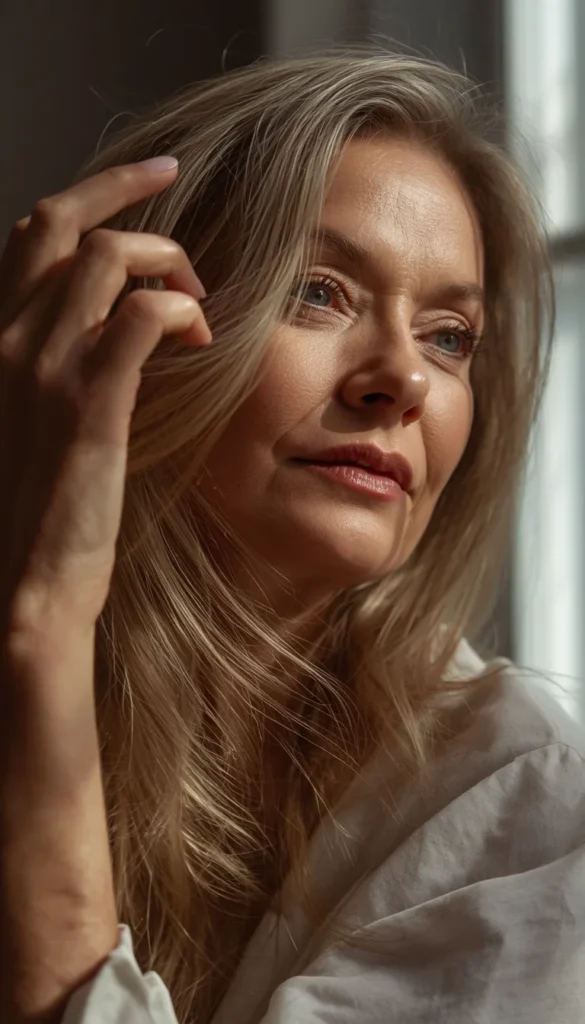
Nobody warns you about this part. Somewhere in your fifties or sixties, hair that used to hold a curl for hours suddenly goes limp by lunchtime, and it feels personal even though it absolutely is not. A lot of this comes down to hormones settling into a new normal after menopause, which slows down the hair growth cycle and quietly shrinks the diameter of each strand. Add in years of sun, color, and just living life, and the density you had at forty starts thinning out in ways that no amount of dry shampoo can fake.
Here is the part I want you to actually believe. This is not something you caused and it is not something a expensive shampoo will reverse. What actually helps is working with a stylist who understands that fine hair over sixty needs strategic weight removal, not more layers stacked on top of each other. One thing I always tell my clients is that the cut has to do the heavy lifting, because product can only enhance what the scissors already built.
2. The Three Question Test Before You Book Your Cut

Before you show your stylist a Pinterest board, answer these three questions honestly. They will save you from walking out with a beautiful cut that you will never actually recreate at home.
- How many minutes do you realistically spend on your hair most mornings?
- Do you live somewhere humid, or do you travel often?
- Do you wear glasses or hearing aids that need to be considered around your face?
Your answers point you toward a completely different category of haircut. A woman with ten spare minutes and dry Arizona air can wear styles that a woman in coastal Florida with five minutes to spare simply cannot maintain without a fight every single day.
3. Textured Pixie Cut
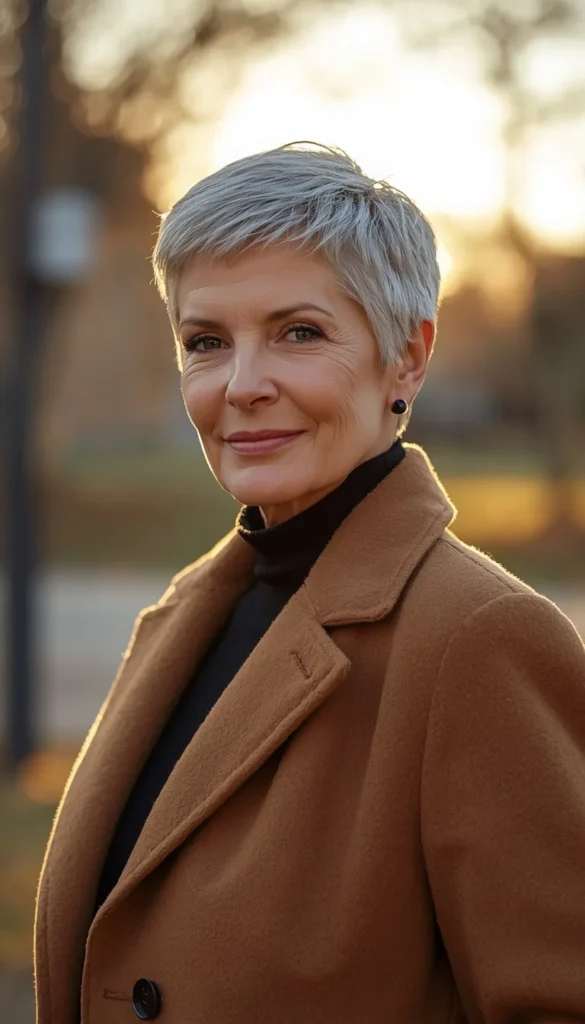
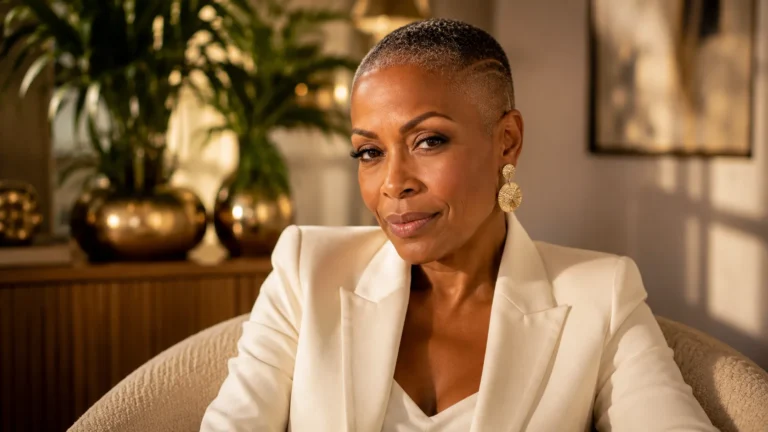
The textured pixie is still the reigning champion of low effort, high impact hair, and for good reason. Fine hair practically thrives here because there is less weight fighting against the natural lift at the crown, which means volume happens almost on its own.
A few things make this cut work so well for fine texture specifically. The layers are cut short enough that gravity cannot flatten them the way it does with longer styles, and a small amount of texturizing paste is genuinely all you need most mornings. I will say this though, a pixie only looks intentional when it is fresh, so budget for a trim every five to six weeks or it starts reading messy instead of chic. That trim frequency is the real tradeoff nobody mentions when they show you the finished photo.
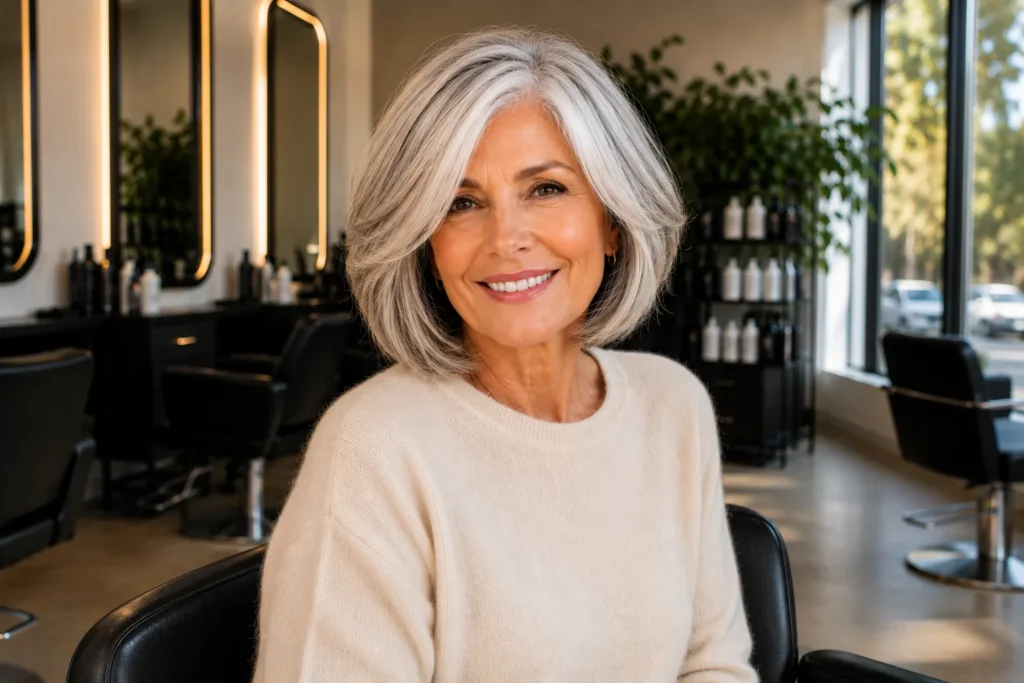
4. Classic Chin Length Bob
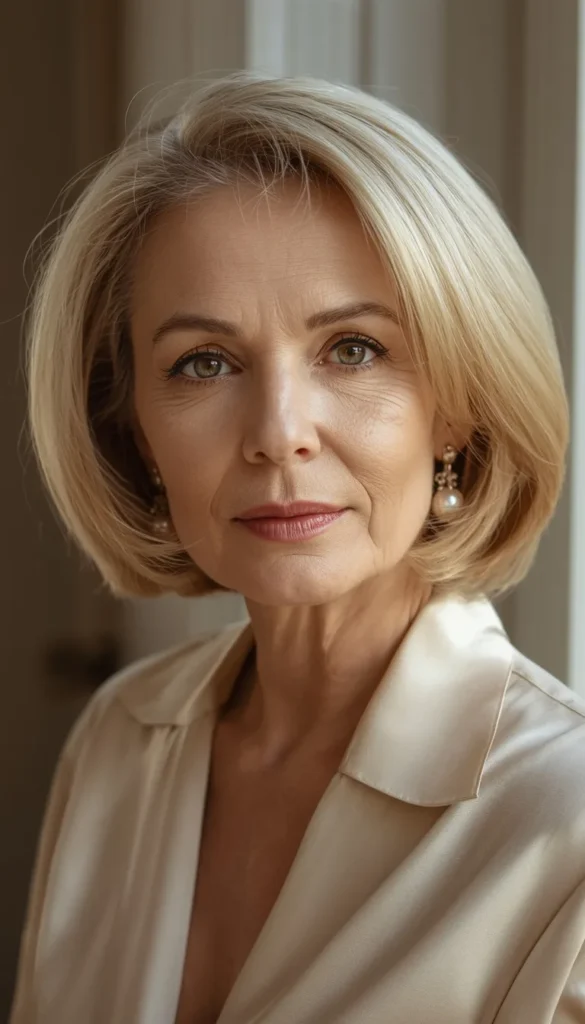
There is a reason the chin length bob has never gone out of style, it simply works on almost every face and every hair type. For fine hair, the shorter length creates the illusion of thickness because the ends land at a point before the hair has a chance to thin out and separate.
If you wear glasses, this is one of the more forgiving cuts because the length sits right at the frame line instead of competing with it. A quick trick I have learned from years of cutting this shape is to ask for the ends blunt rather than heavily point cut, since blunt edges genuinely look denser under the same lighting. It air dries beautifully too, which matters more than people realize once you are done fussing with a round brush every single day.
Which one of these eighteen are you booking first?
5. Short Layered Bob With Volume
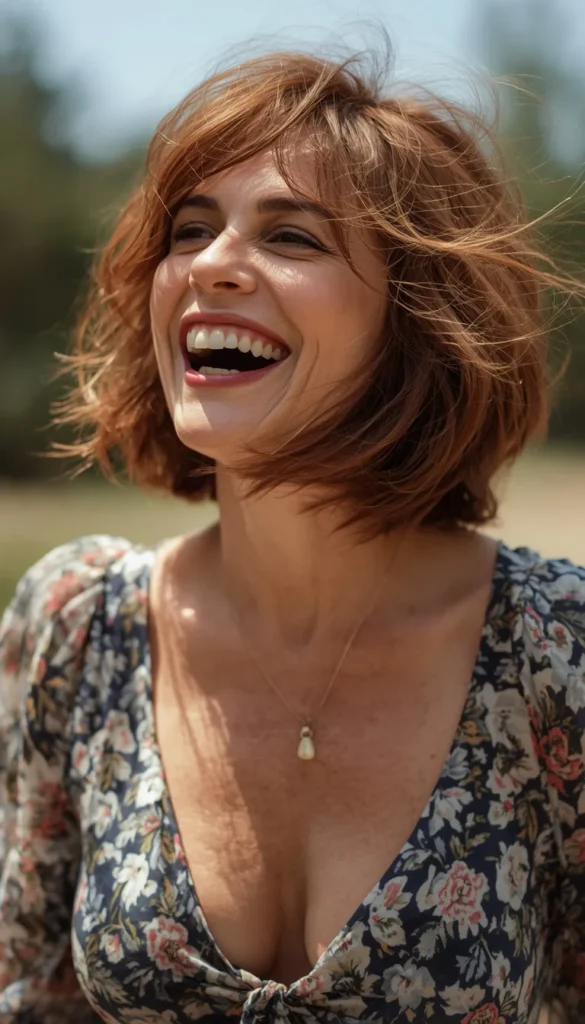
This is the cut I recommend most often when someone tells me they want their hair to look thicker without spending extra time on it. The layers are placed strategically through the crown and around the face, which lifts the hair right where fine texture tends to fall flat first.
What makes this version different from a plain bob is the movement built into the cut itself. You get shape even on day two without touching a hot tool, and honestly that is the whole point of a low maintenance style. A round brush blow dry takes it from good to great for special occasions, but on a regular Tuesday, air drying with a bit of mousse at the roots holds up just fine.
6. Soft Shag For Fine Hair

I need to be honest about this one before you fall in love with the photos. A shag looks incredible when it has natural texture or a little help from a diffuser, but it can look genuinely unkempt on stick straight hair with zero product. This is not a wash and walk out the door style, it needs at least a little intention.
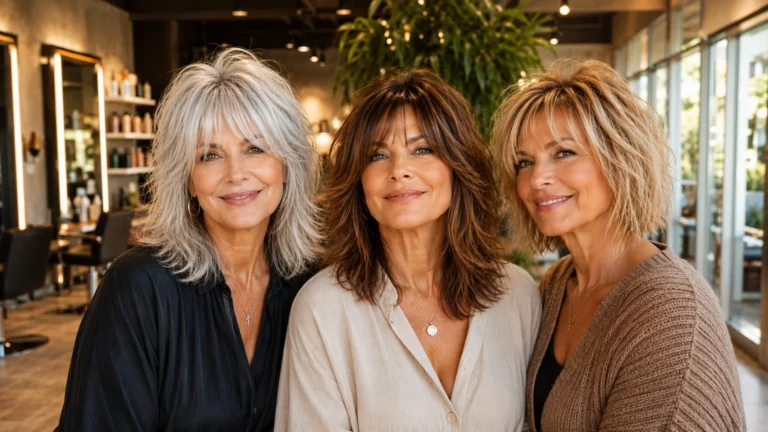
That said, when it works, it really works. The choppy layers throughout create the kind of movement that makes fine hair look three times fuller than it actually is. My advice is to invest in a lightweight texturizing spray, scrunch it in while your hair is still damp, and either air dry or diffuse on low heat. Skip the flat iron entirely with this one, sleek and shaggy just do not belong in the same sentence.
Top 6 Fine Hair Cuts After 60
| Look / Item | Estimated Price | Care Level | Where to Buy |
|---|---|---|---|
| Textured Pixie Cut (texturizing paste) | Under 20 dollars | Low | Amazon |
| Classic Chin Length Bob (blunt cut shears kit for home trims) | 25 to 45 dollars | Low | Amazon |
| Short Layered Bob (volumizing mousse) | Under 15 dollars | Low | Amazon |
| Soft Shag (lightweight texturizing spray) | 15 to 25 dollars | Medium | Amazon |
| Feathered Pixie Crop (light styling cream) | Under 20 dollars | Low | Amazon |
| Silver Transition Cut (purple toning shampoo) | 15 to 30 dollars | Medium | Amazon |
7. Shoulder Length Layered Cut
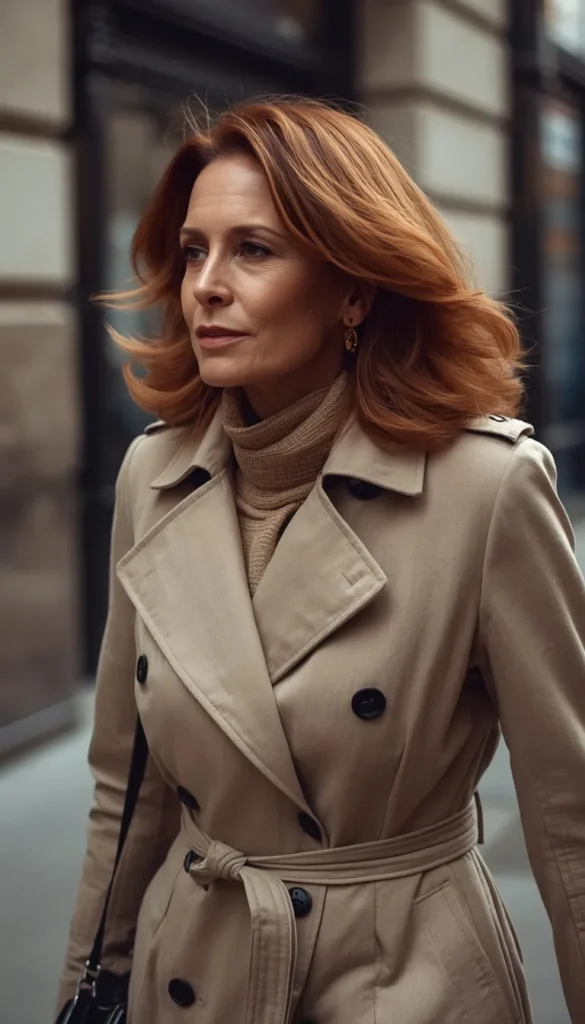
Here is something nobody tells you about medium length hair, it is actually one of the higher maintenance options on this whole list, even though it looks effortless in photos. The length sits right at the point where fine hair starts to feel the pull of gravity, so without the right layering, it goes flat by early afternoon.
The fix is layers that start higher up, closer to the cheekbone, rather than layers that only begin near the ends. This creates lift where you actually need it instead of just movement at the bottom. A few things to keep in mind if you are considering this length:
- Ask specifically for internal layers, not just face framing pieces
- Expect to use a volumizing spray at the roots most mornings
- Trims every seven to eight weeks keep the shape from growing out shapeless
8. Feathered Pixie Crop
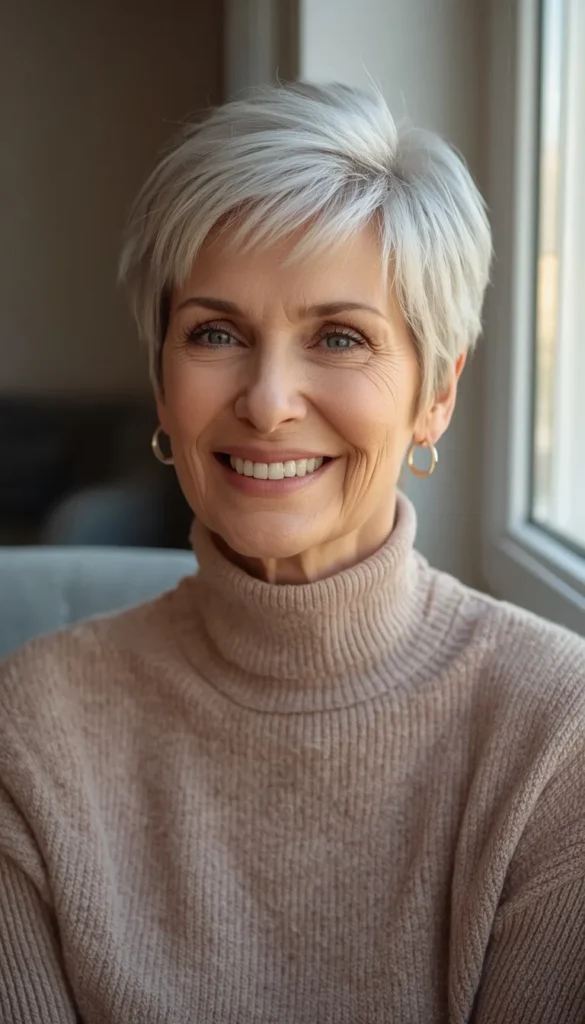
Feathered layers bring a softness that a blunt pixie does not have, and it happens to be wildly flattering once you hit your sixties. The slightly longer pieces on top catch the light and create texture without ever looking harsh or overly cropped.
I love recommending this one to clients who want something a little more romantic than a classic pixie but still crave that grab and go morning routine. A dab of light cream scrunched through damp hair, then air dry or a quick diffuse, and you are done. It genuinely photographs beautifully too, which matters more than people admit when there is a wedding or reunion on the calendar.
What’s the one thing about your current routine you’re most ready to change?
9. Wash and Wear Curly or Wavy Crop
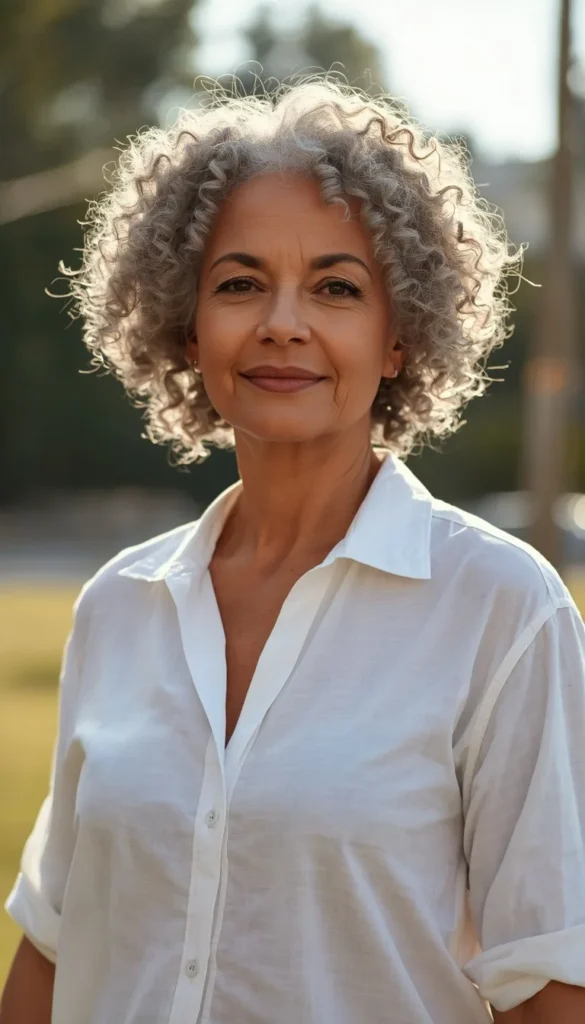
If you were blessed with natural texture, this cut is basically a gift to your future mornings. Cutting the hair short enough to work with your curl or wave pattern instead of against it means you can genuinely wash it, scrunch in a little product, and walk out the door.
The trick is cutting it dry, or at least checking the shape on dry hair, so your stylist can see exactly how your natural texture falls before committing to a length. Curls and waves shrink up quite a bit once they dry, so what looks short while wet often lands perfectly once it settles. One thing I always tell curly clients over sixty is to swap regular mousse for something specifically formulated for fine curly hair, since heavier curl creams tend to weigh down thinner strands and undo all that natural volume you were trying to keep.
10. Sleek One Length Blunt Bob
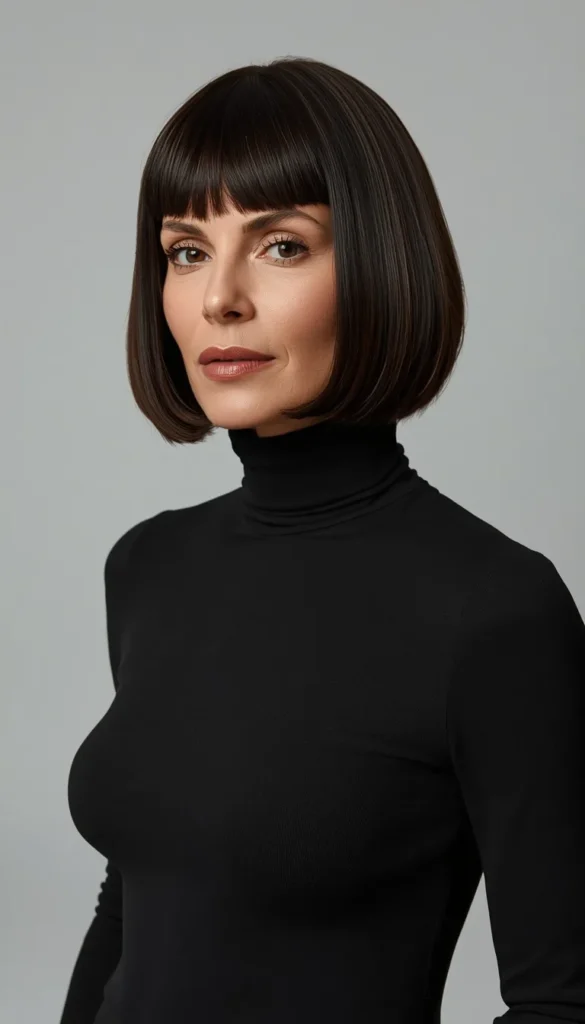
This one leans into a completely different philosophy than most of the cuts on this list. Instead of chasing volume through layers, a blunt one length bob creates the illusion of density by keeping every strand the exact same length, which makes fine hair appear thicker simply because there is nothing thinning it out visually.
George Northwood, the hairstylist behind Meghan Markle’s signature blowout, has said something similar for years, that excessive layering can actually take volume out of fine hair rather than add it. A sleek blunt cut proves that theory beautifully. It does ask a little more of your blow dry routine to get that polished look, but it also holds shape between washes better than almost anything else on this list.
11. Asymmetrical or Angled Bob
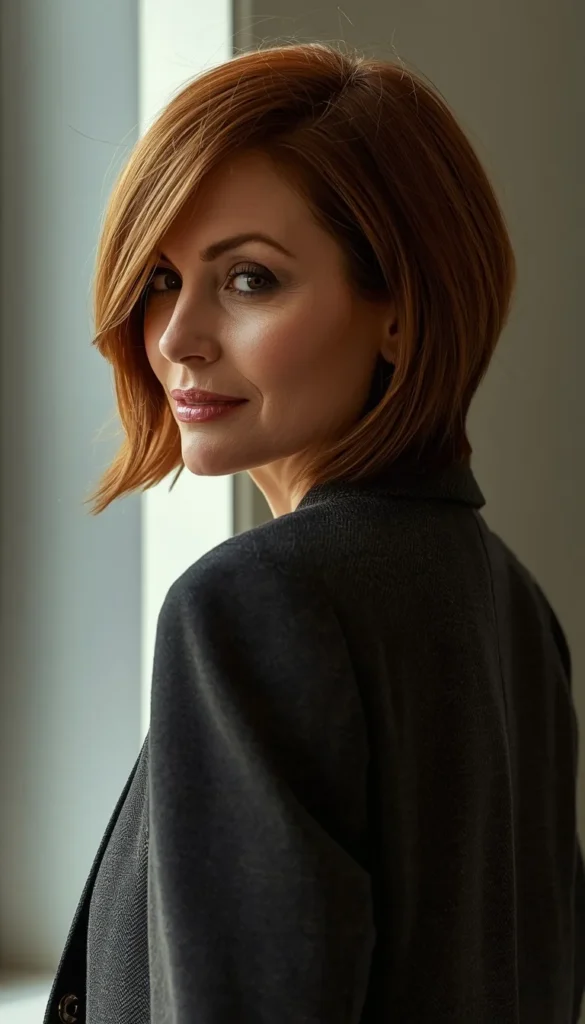
An angled bob, where the front pieces sit longer than the back, does something clever for fine hair that a lot of people do not expect. The visual diagonal line tricks the eye into seeing more volume and movement than a straight across cut ever could.
This shape works particularly well if you tend to part your hair to the side rather than down the middle. A few reasons this cut earns its spot on the list:
- The angle naturally hides thinning at the temples
- It grows out gracefully without an awkward stage
- It photographs well from nearly every direction
Just know that keeping the angle sharp does require slightly more frequent trims than a blunt all one length bob, so factor that into your salon budget.
12. Silver and Gray Transition Friendly Cut
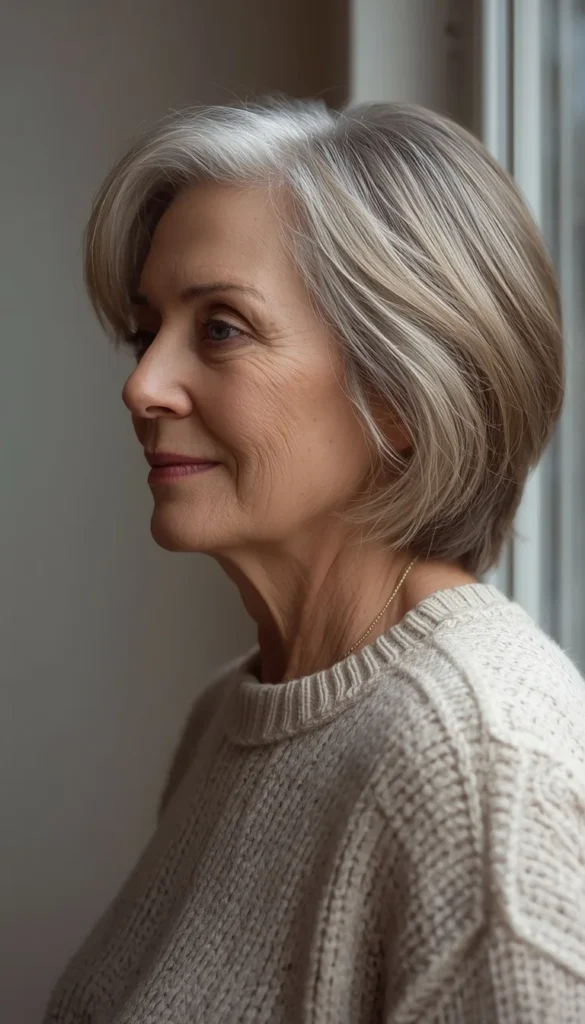
Growing out color into your natural gray is one of the trickiest phases in any woman’s hair journey, and almost nobody talks about how a good cut can genuinely make it easier. The demarcation line between your color and your natural gray is what makes this stage look awkward, and shorter layered cuts break up that line far more successfully than long one length styles.
I have walked several clients through this exact transition, and the ones who stayed patient with regular trims came out the other side looking intentional instead of grown out. A shag or textured pixie hides the line beautifully because the layers create so much movement that your eye never settles on one spot long enough to notice where the color changes. If you are early in this journey, lowlights that blend toward your natural gray can also soften that contrast while your cut grows into the transition.
13. The Five Minute Morning Routine
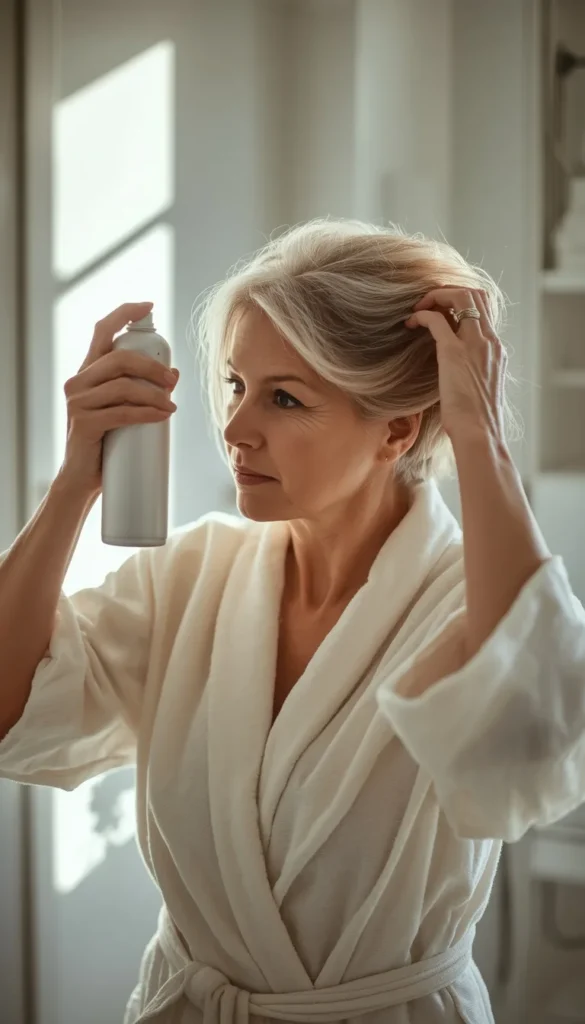
Let’s talk about what actually happens in real bathrooms at seven in the morning, not the fifteen step routines you see online. Fine hair over sixty genuinely does not need more products, it needs the right three used in the correct order.
Start with a lightweight volumizing mousse applied at the roots on damp hair, then flip your head upside down for thirty seconds while you brush your teeth or find your earrings. That upside down trick does more for root lift than almost any tool you own. Once you flip back up, a small amount of texturizing cream scrunched through the ends adds definition without weighing anything down, and a light hold hairspray at the very end locks it all in place. That is genuinely the whole routine, three products, five minutes, no hot tools required most days.
Which of these actually fits your budget and your real morning, not just the photo?
14. Climate and Travel Real Talk
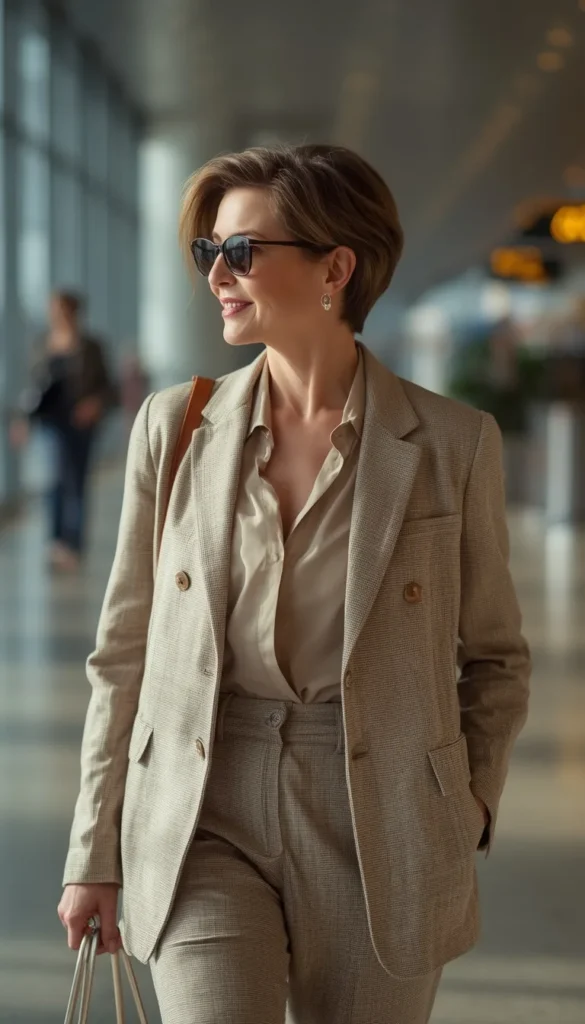
Here is something the glossy magazine spreads never mention, humidity does not care how good your haircut is. If you live somewhere like Florida, Louisiana, or coastal Texas, certain styles on this list are going to fight you every single day regardless of product.
Shorter cuts with built in texture, like the textured pixie or feathered crop, actually hold up far better in humidity than anything relying on smooth blowouts. Longer layered styles and sleek bobs tend to frizz or fall flat within an hour outdoors in thick summer air. When traveling, I always tell clients to pack a small travel size dry shampoo and a satin scarf, since hotel blow dryers are notoriously weak and airplane air dries hair out fast. A low bun or clip back option is worth having in your back pocket for any humid destination, because sometimes the smartest style choice is knowing when to just pin it up and enjoy your vacation.
15. Budget Breakdown for Cuts and Color
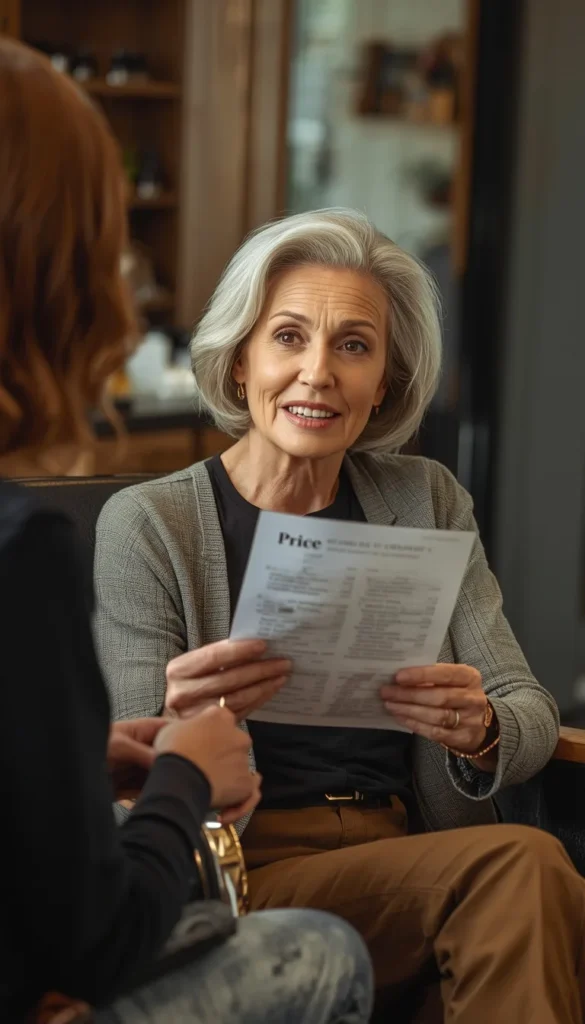
Nobody wants to talk numbers, but let’s be real for a second, because your cut choice directly affects how often you are back in that chair. A chain salon cut typically runs forty to sixty five dollars, while a specialty stylist in a bigger city can run anywhere from ninety to two hundred, and both can absolutely be the right choice depending on your budget and how particular the shape is.
Cuts like the blunt bob or the angled bob need trims every five to six weeks to keep their sharp lines intact, which adds up quickly over a year. Softer, more textured shapes like the shag or the layered bob can often stretch to eight weeks without losing their shape. My honest advice is to splurge on the initial cut with someone who really understands fine hair, since a well built foundation stretches your dollars further between visits than a cheap cut that grows out awkwardly in three weeks.
16. Common Mistakes That Age Fine Hair
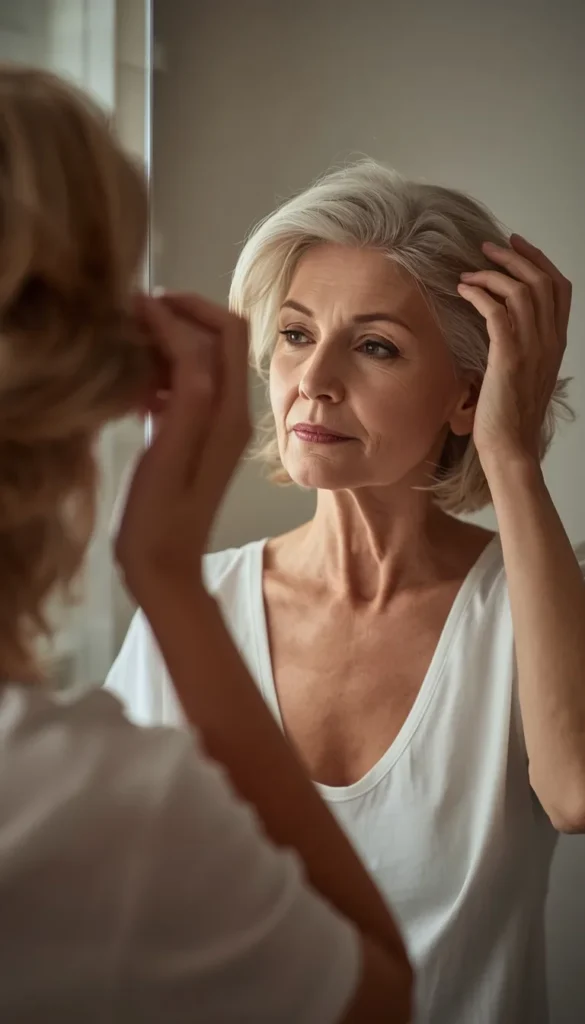
I see the same few mistakes over and over, and almost all of them come from good intentions gone slightly wrong. Growing your hair longer than shoulder length is probably the biggest offender, since length without density just pulls fine hair flat and adds visual age rather than youth.
A few other habits worth breaking:
- Skipping trims past the eight week mark, which lets shape and movement disappear entirely
- Using heavy, creamy products meant for thick hair, which weigh fine strands down instantly
- Over washing daily, which strips natural oils and leaves hair looking even thinner
The fix for nearly all of these is simpler than people expect, just trust your stylist’s recommended trim schedule and choose lightweight, volumizing products built specifically for fine hair rather than whatever is on sale at the drugstore that week.
17. How to Talk to Your Stylist So You Actually Get This Look
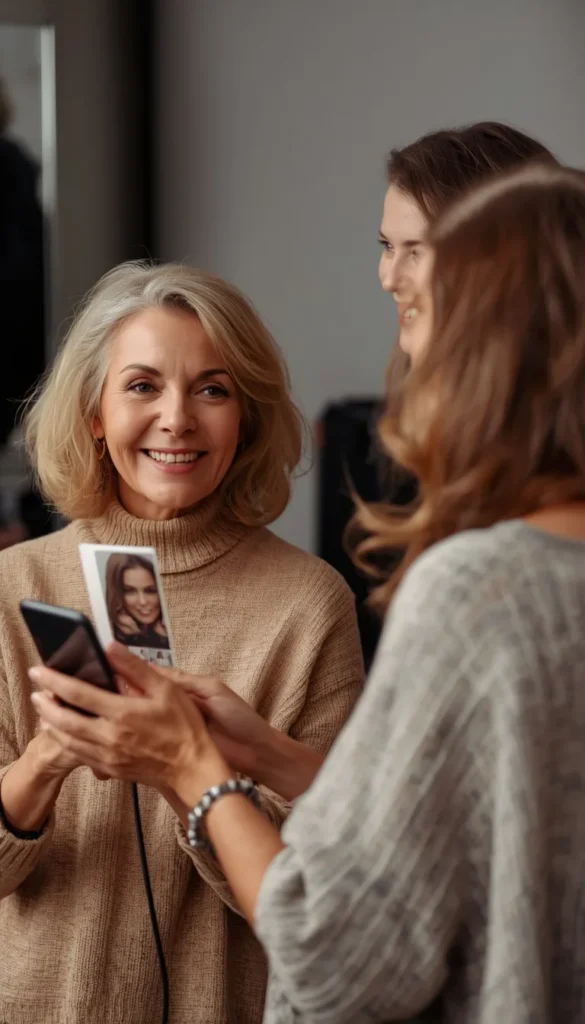
Here is a secret from behind the chair, the biggest gap between the photo you bring in and the haircut you leave with usually comes down to how you describe your actual life, not just the picture itself. Tell your stylist honestly how many minutes you spend on your hair, whether you own a diffuser, and what your climate looks like most months of the year.
It also helps enormously to bring photos from multiple angles, not just the front facing shot everyone screenshots from Pinterest. One thing I always ask new clients is what they disliked about their last cut, because that tells me more about what to avoid than what they loved ever could. A good stylist wants this information, so do not feel like you are being difficult by sharing it. The more real you are about your routine, the more likely you are to walk out with something you can actually recreate on a random Tuesday morning.
18. Final Thoughts Before You Book Your Next Appointment
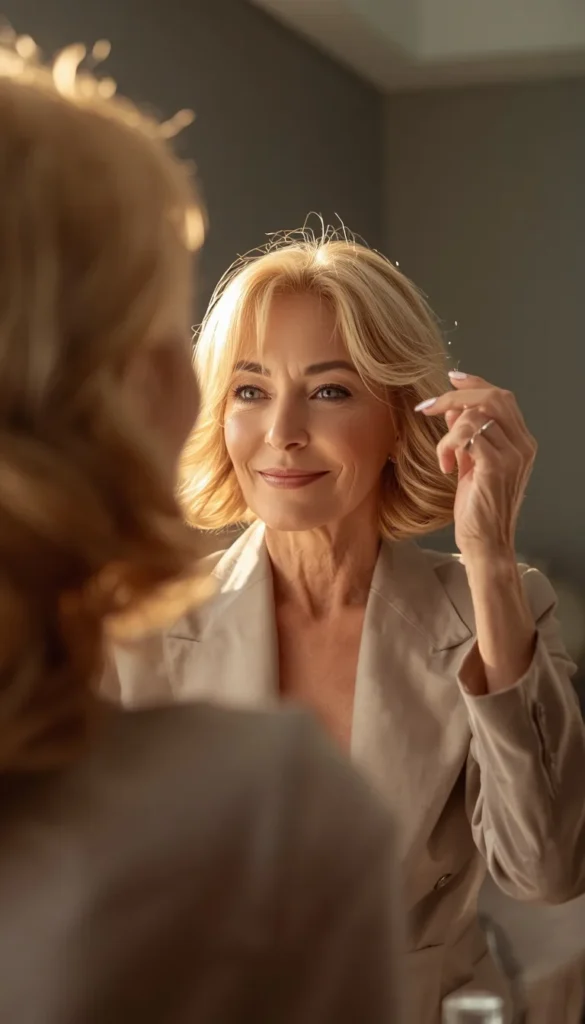
If there is one thing I hope you take away from all of this, it is that fine hair over sixty is not a problem to fix, it is just a texture that needs the right strategy behind it. The cuts on this list work because they are built around how your hair actually behaves, not around forcing it into something it was never going to do easily.
Pick the one that matches your real morning, your real climate, and your real willingness to sit in a salon chair every few weeks, and you will end up with hair that feels like less work rather than more. Which one caught your eye the most, and does your current stylist already know how to cut for fine texture the right way?
Your Sixty Second Cut and Care Cheat Sheet
By Budget
Budget Friendly Picks
- Textured pixie cut paired with a drugstore texturizing paste on Amazon
- Short layered bob with a basic volumizing mousse
- Wash and wear curly crop, minimal product needed
Worth the Splurge
- Specialty stylist for the sleek one length blunt bob, precision matters here
- Silver transition cut with a professional toning shampoo system
- Angled bob with more frequent salon visits to keep the line sharp
By Lifestyle
Busy Mornings, No Time to Spare
- Textured pixie cut
- Feathered pixie crop
- Wash and wear curly crop
Humid or Hot Climate Living
- Textured pixie cut
- Feathered pixie crop
- Soft shag with a lightweight texturizing spray from Amazon
Frequent Travelers
- Short layered bob, forgiving with hotel blow dryers
- Silver transition cut, low fuss on the road
- Pack a travel size dry shampoo from Amazon just in case
Loves a Polished, Put Together Look
- Sleek one length blunt bob
- Classic chin length bob
- Asymmetrical angled bob
Frequently Asked Questions
What is the best low maintenance hairstyle for a 60 year old woman with fine hair?
The best option is a short layered cut like a textured pixie or a layered bob, since both add volume right at the crown where fine hair thins first. These shapes hold their form between salon visits and only need a few minutes of product each morning.
Should women over 60 with fine hair go short or keep their hair long?
I usually recommend going shorter once hair starts thinning, because length without density just pulls fine strands flat. A chin length or shoulder grazing cut gives you the illusion of thickness that long hair simply cannot fake anymore.
How often should fine hair be trimmed after 60?
Most fine hair cuts need a trim every five to eight weeks depending on the shape. Sharper cuts like a blunt bob need the shorter end of that range, while softer shags can stretch a little longer.
What haircuts make fine hair look thicker instantly?
Textured pixies, layered bobs, and shags all create instant volume because the layering happens exactly where hair tends to go flat. Blunt one length cuts work too, just through a completely different trick, keeping every strand the same length so nothing looks thinned out.
Can fine hair handle layers, or does it make hair look thinner?
Yes, but the type of layering matters more than people realize. Soft, seamless layers add movement and fullness, while heavy choppy layering can actually strip volume from already fine strands.
Conclusion
Your hair should never feel like one more chore on your list, it should feel like the easiest part of getting ready every morning. Fine hair over sixty has so much more going for it than people give it credit for, you just need a cut that actually works with you instead of against you. So screenshot the style that caught your eye, print it out, and take it to your next appointment, because this could genuinely be the easiest change you make all year. Which one of these eighteen are you booking first, and did I miss your favorite go to cut? Tell me in the comments, I read every single one.