15 Stunning Fulani Braids Ideas You’ll Want to Try
I’ve sat in the braiding chair enough times to know the real question isn’t whether Fulani braids look good it’s whether the style fits your hair type, lifestyle, and budget without leaving you wondering why your edges hurt at midnight. Before you screenshot another celebrity look, let’s explore 18 Fulani braid styles that are genuinely worth your time, money, and scalp.
My Styling Notes
I’ll never forget a client who booked extra-small Fulani braids just two days before a destination wedding. The install took nearly nine hours, and by the end, her hairline was clearly under too much tension. That experience taught me to check in throughout the appointment not just at the start.
Now I always tell clients book your braids at least a week before a big event, and speak up the moment they feel too tight. “A little looser at the hairline” isn’t rude it’s exactly what a good braider needs to hear.
15 Stunning Fulani Braid Styles to Elevate Your Everyday Look
1. What Are Fulani Braids, Really?
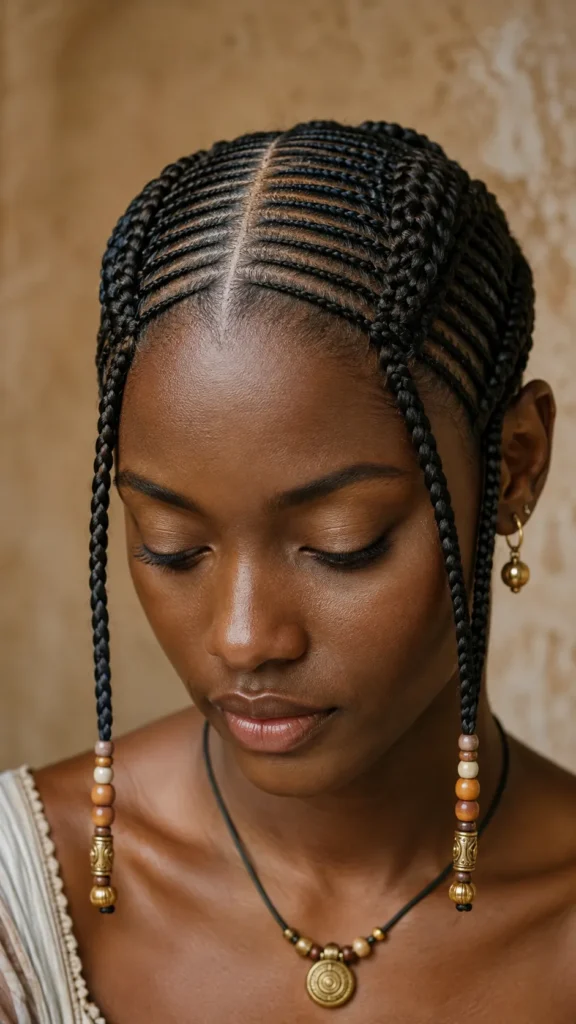
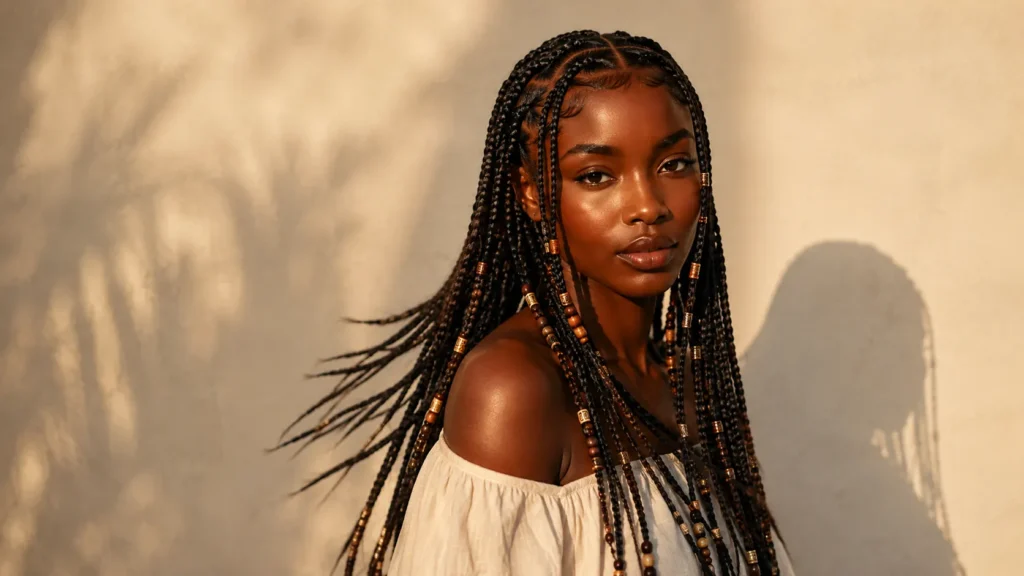
Fulani braids get lumped in with every other braided style out there, but they’ve got a signature that’s easy to spot once you know what to look for. Picture a cornrow running straight down the center of your head, with a few more curving in toward your face near the temples, then a braid wrapped around your hairline like a frame. The rest flows into whatever braid or twist pattern you’re feeling that week. The style actually comes from the Fulani braids heritage of West Africa, and it’s been worn with pride for generations before it ever showed up on a red carpet.
2. Is This Style Right for Your Hair Type?
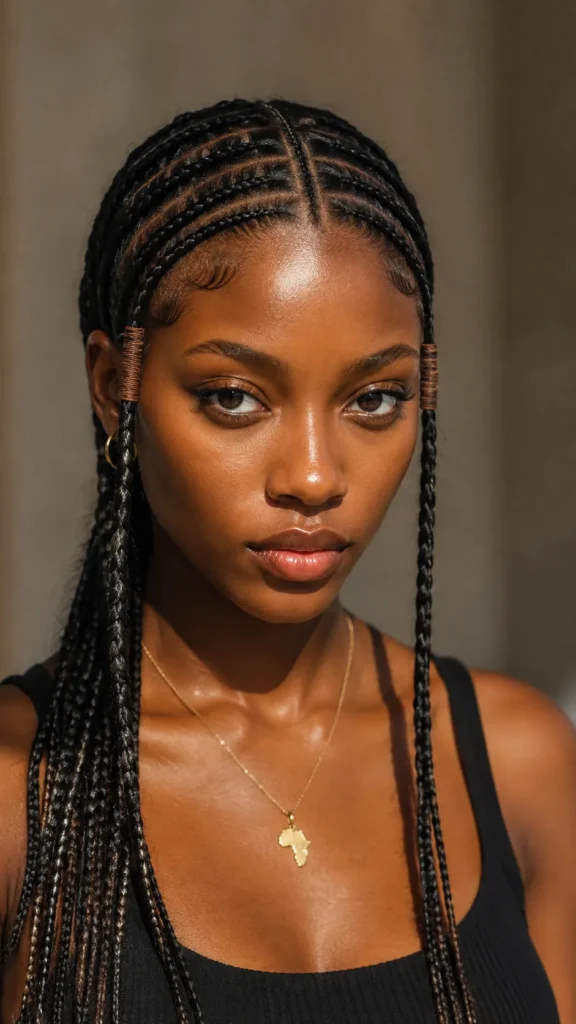
This is the part almost nobody talks about, and it drives me a little crazy. Not every texture handles Fulani braids the same way, and pretending otherwise sets people up for a rough install.
- “If you’re looking for more ways to embrace your natural texture between braid installs, check out our guide on Natural Hairstyles for Black Women to keep your strands healthy and hydrated.”
- Fine or thin natural hair can absolutely rock this look too, but I always recommend going with smaller sectioning and lighter extensions so you’re not putting unnecessary weight on strands that are already delicate.
- Low density edges need extra care during parting. Ask your braider to keep tension light right at the hairline specifically.
One thing I always tell my clients with finer hair is that bigger isn’t always better here. Chunkier braids on thin strands can actually look sparse instead of full.
3. The Honest Price Breakdown by US Region
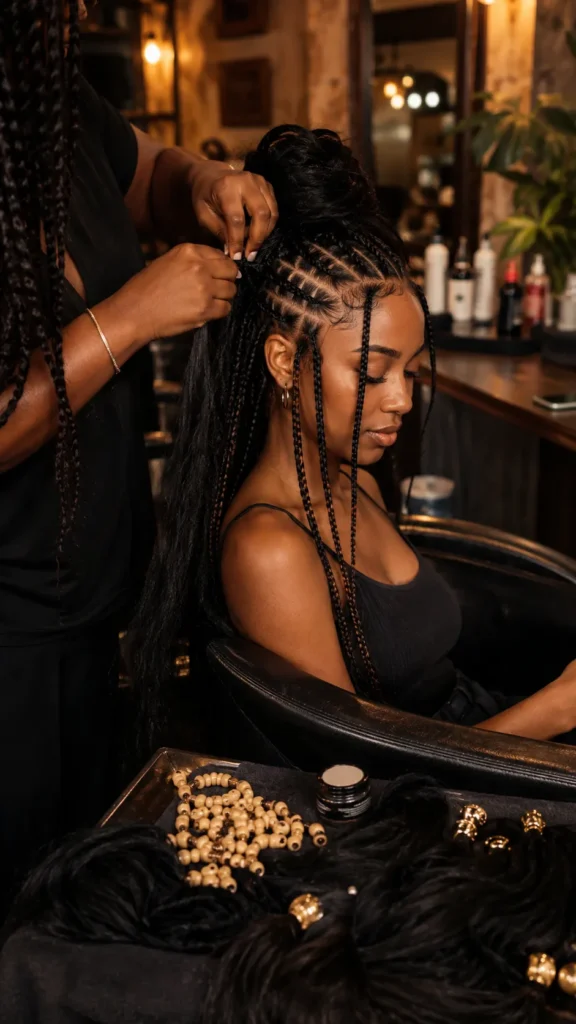
That vague “two hundred to eight hundred dollars” number floating around the internet is technically true and also not that helpful. Where you live changes everything.
In New York and LA, expect to pay closer to the top of that range, often three hundred and up for anything with intricate parting or extra length. Southern cities tend to run more affordable, sometimes as low as one hundred fifty for a solid mid length style, thanks to a bigger pool of braiders and lower overhead. The Midwest usually lands somewhere comfortably in the middle. Mobile stylists who come to your home often charge a bit more for convenience, but if you’re someone who hates sitting in a salon chair for hours surrounded by noise, it’s honestly worth every extra dollar.
4. How Long You’ll Actually Be in the Chair
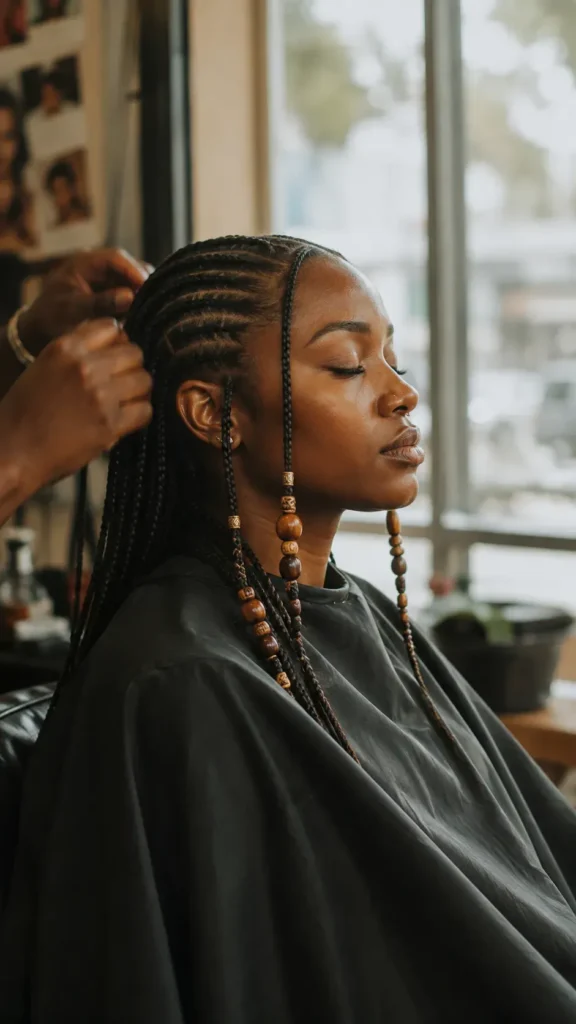
Time is the thing people underestimate most, and it genuinely shapes how you should plan your appointment. Small, detailed braids can take anywhere from six to eight hours depending on your length and how elaborate the cornrow design is. Medium sized braids sit more comfortably around four to six hours. If you’re working with a tighter schedule, larger chunky braids can have you out the door in two to three hours, which makes them a smart pick before a busy week.
Which one of these Fulani styles are you booking first?
5. Classic Fulani with Beads
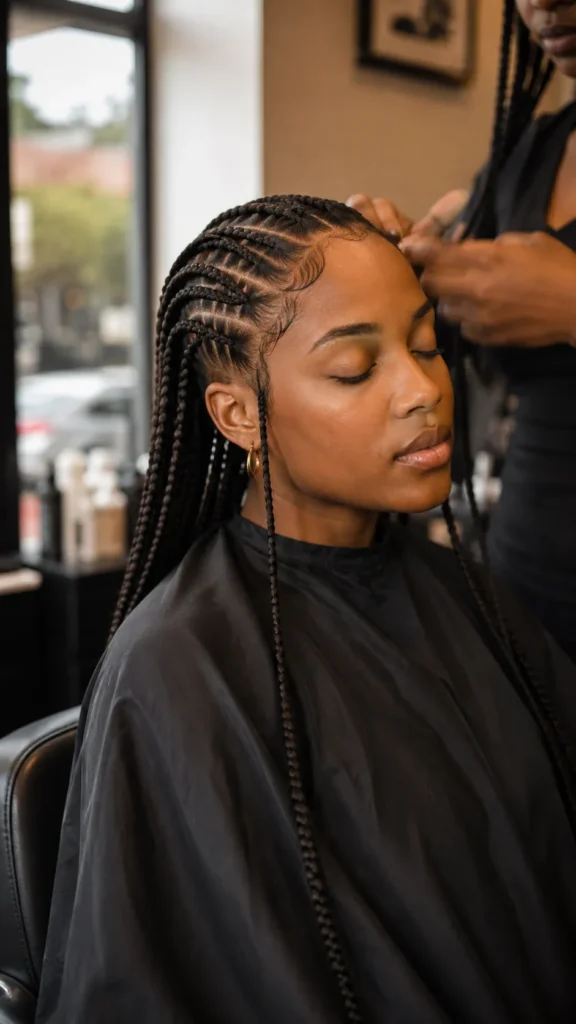
This is the original, the one that started it all, and honestly it never really left. A clean center cornrow, matching rows running back toward the crown, and those signature face framing braids at the temples finished off with beads. It’s the look that made Alicia Keys a household name in the beauty world, and there’s a reason people still walk into salons asking for it by that exact comparison.
6. Boho Fulani Braids
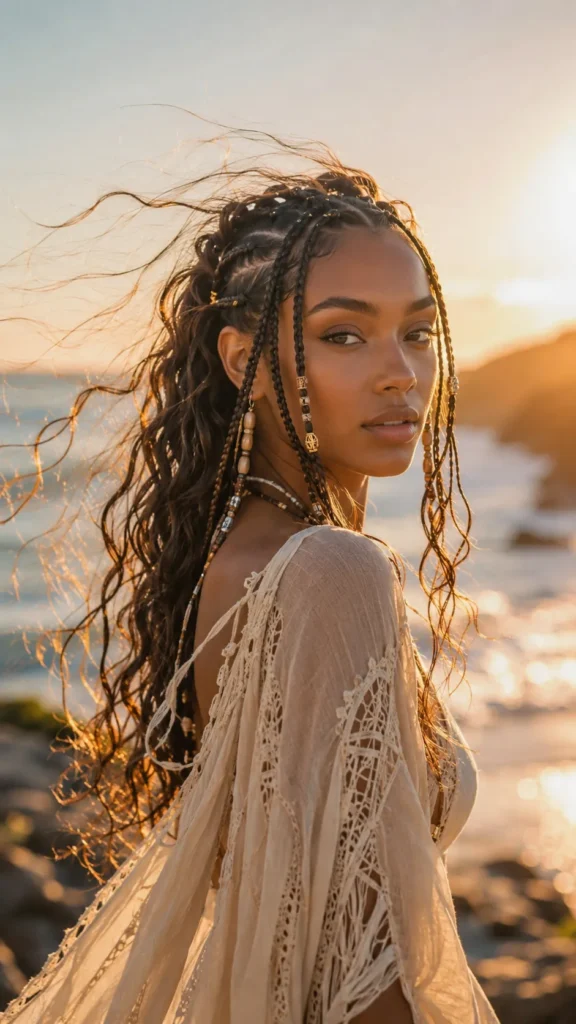
Sometimes called goddess Fulani, this version softens the whole look by leaving a few wavy strands loose within the braids themselves.
- It reads a little more romantic and less structured than the classic style.
- Works beautifully for weddings, vacations, or anytime you want movement without losing the Fulani base.
- Pairs really well with warmer tones since the loose curls catch light differently than straight braiding hair.
I’ve done this style right before a beach trip more times than I can count, and it photographs like an absolute dream in golden hour light.
Fulani Braid Styles at a Glance
| Look / Item | Estimated Price | Care Level | Where to Buy |
| Classic Fulani with Beads | 200 to 450 dollars | Medium | Braiding hair and beads on Amazon |
| Boho Fulani Braids | 250 to 500 dollars | Medium | Wavy braiding hair on Amazon |
| Fulani Knotless Braids | 180 to 400 dollars | Low | Pre stretched knotless hair on Amazon |
| Trendy Fulani Braids | 220 to 480 dollars | Medium | Colored braiding hair on Amazon |
| Cute Everyday Fulani | 150 to 300 dollars | Low | Edge control and gel on Amazon |
| Fulani in Bun, Ponytail, or Half Up | 180 to 350 dollars | Low | Hair pins and lightweight hold spray on Amazon |
7. Fulani Knotless Braids
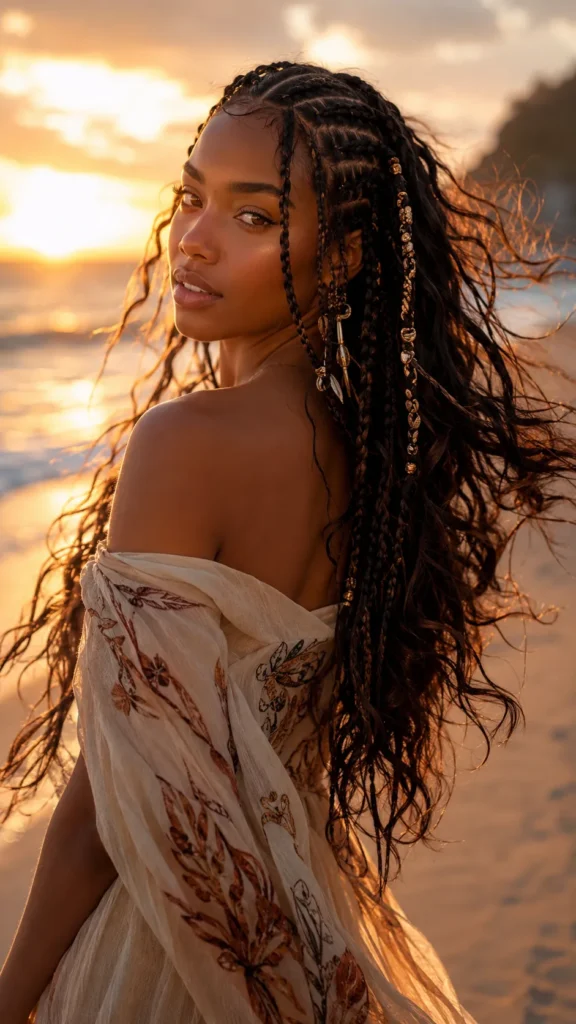
If tension is your biggest fear going into an install, this combination might be your answer. Knotless braiding starts with your natural hair and feeds in extensions gradually, which means way less pulling right at the root compared to traditional feed in methods. Layer that gentle technique with a Fulani parting pattern and you get all the visual drama of tribal braids without your scalp filing a complaint by hour three. My clients who’ve switched over almost never go back to knotted styles once they feel the difference.
8. Trendy Fulani Braids for This Year
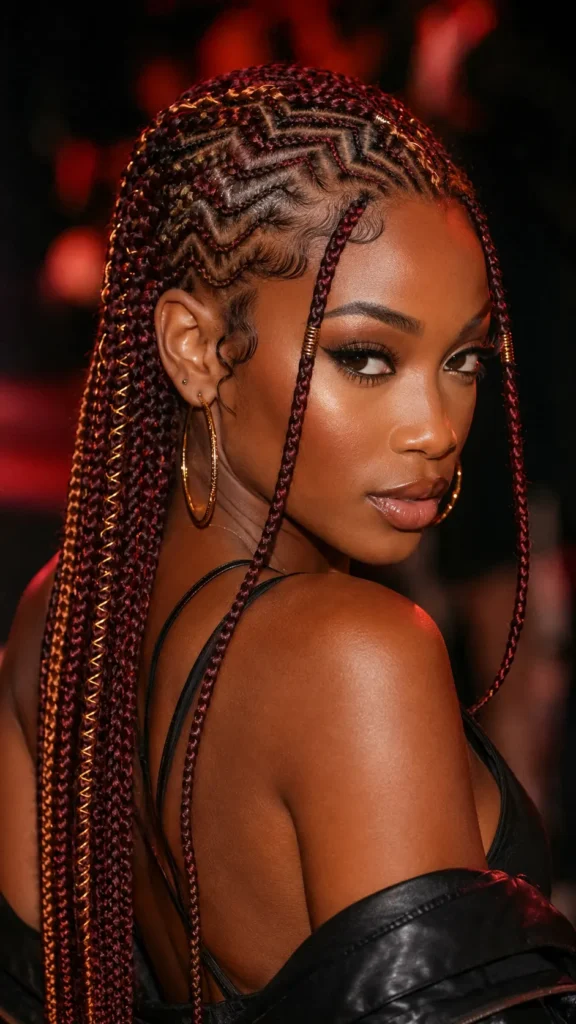
Braiders are having a lot of fun lately, and it shows. Zigzag parts, heart shaped sections near the crown, and bold jewel tones like copper and deep burgundy are showing up all over salon walls right now. Some stylists are even mixing in metallic thread woven through a few sections for a subtle shimmer that catches the light when you walk. A quick trick I’ve learned is bringing multiple reference photos instead of just one, since braiders can usually blend a few trending elements together into something that’s still uniquely yours.
What’s the one thing about your current braids or hair routine you’d change right now?
9. Cute Everyday Fulani Styles for Work or School

Not every version of this style needs to scream red carpet, and honestly some of my favorite installs are the quiet ones. Keeping the cornrow pattern simple, skipping heavy beads, and letting the braids fall in a neat straight back or low bun makes the whole thing office appropriate without losing any of the Fulani charm. It’s polished, it’s fast to style each morning, and it holds up beautifully during long work weeks.
10. Fulani Braids in a Bun, Ponytail, or Half Up
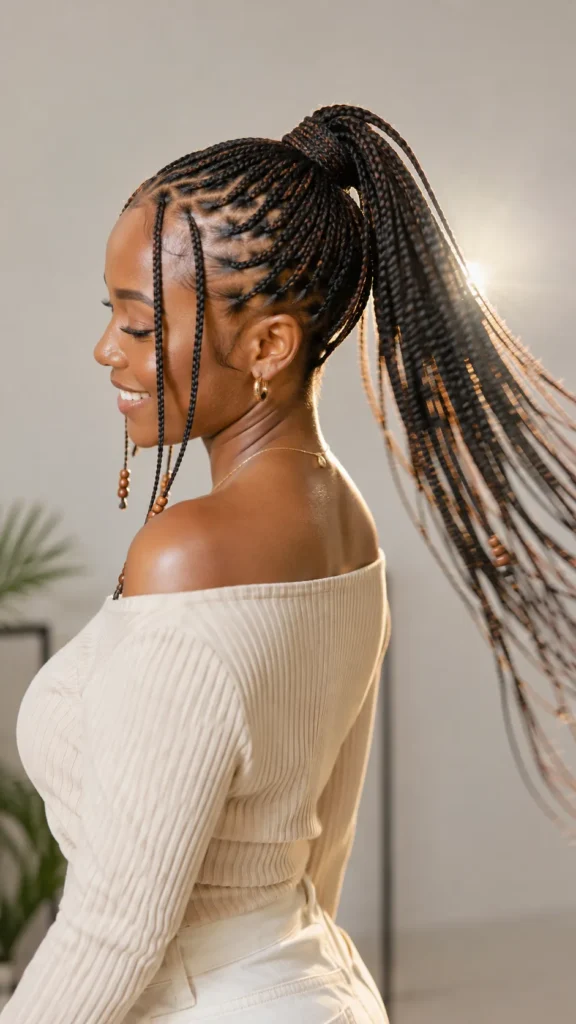
One of the best things about this style is how much it can transform just by changing how you wear it day to day.
- A high ponytail instantly makes the whole look feel sporty and put together for busy mornings.
- A low bun at the nape reads more elegant, perfect for dinner or an event.
- Half up styles let you show off the front cornrow detail while still keeping length pulled back and manageable.
I tell clients all the time that paying for one great install basically buys you five different hairstyles depending on your mood that week. And if your edges ever need a breather between heavy installs, check out these Easy Side Braid Hairstyles for a gentle, protective alternative
11. How Tight Is Too Tight? A Scalp Reality Check
Yeh lijiye, poore text aur link ko bilkul plain/unbold format mein update kar diya hai:
Updated Article Text (Section 11)
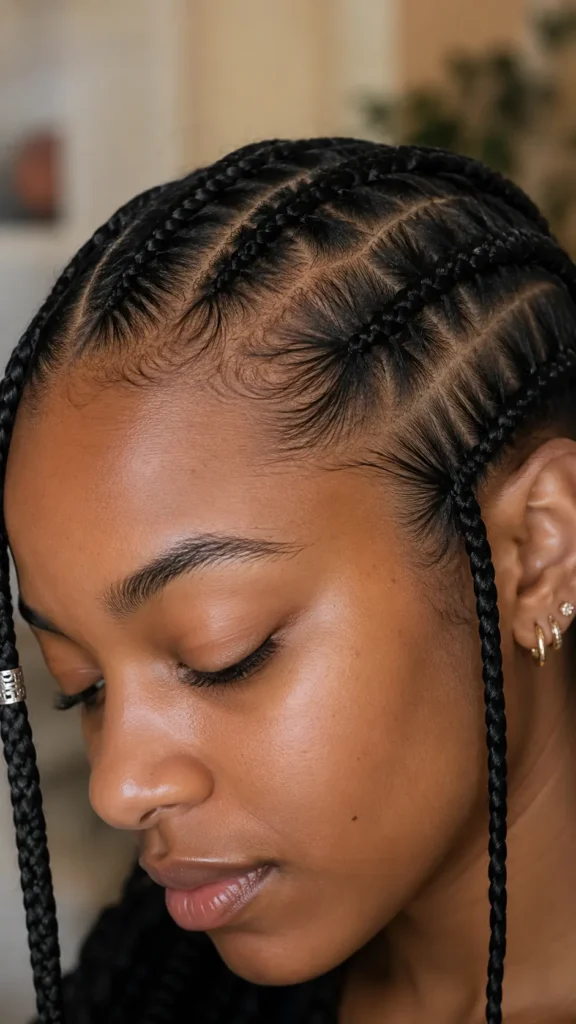
Nobody talks about this enough, so let’s just say it plainly. A little tension is normal since that’s part of what keeps braids in place for weeks, but sharp pain, throbbing, or bumps forming along your hairline is not something you should just sit through quietly. Continuous pressure on your hair roots can lead to long-term scalp tension and traction alopecia, so speaking up mid-install helps protect your hairline. If you notice tiny red bumps or your scalp feels tender to the touch days later, that’s often a sign the braids were installed too tight.
12. First Timer Mistakes to Avoid
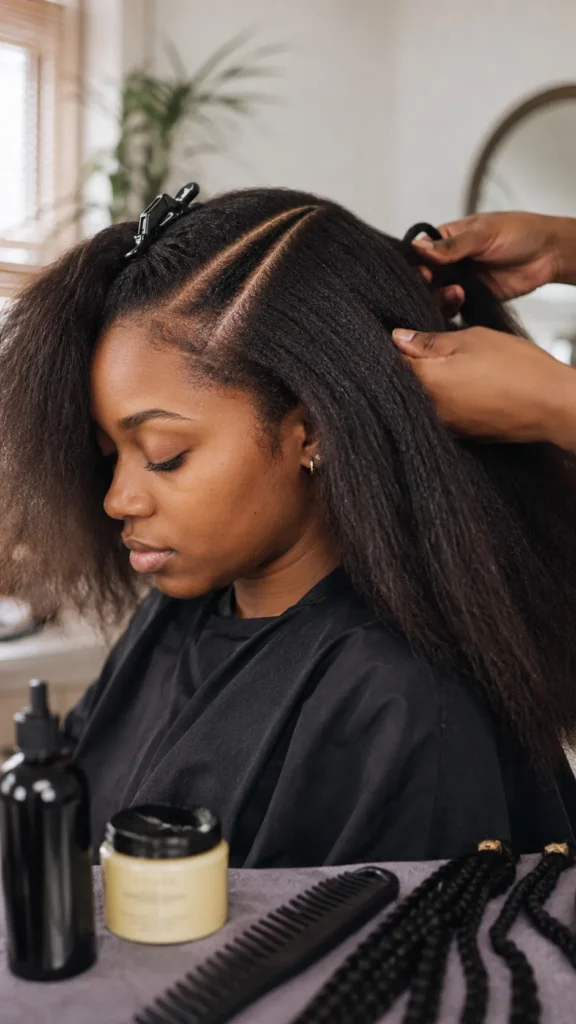
Everyone makes at least one of these on their first go around, myself included back when I was learning the ropes.
- Showing up with dirty or product heavy hair, which actually makes braiding harder and less neat.
- Underestimating how much braiding hair you’ll need, especially for longer or fuller styles.
- Not asking about the parting pattern ahead of time, then feeling stuck with something you didn’t fully picture.
A quick trick I’ve learned is washing and blow drying hair the night before your appointment so your braider has clean, stretched hair to work with from the very first section.
Given your budget and your schedule, which style feels like the best fit for you?
13. Climate Proofing Your Braids
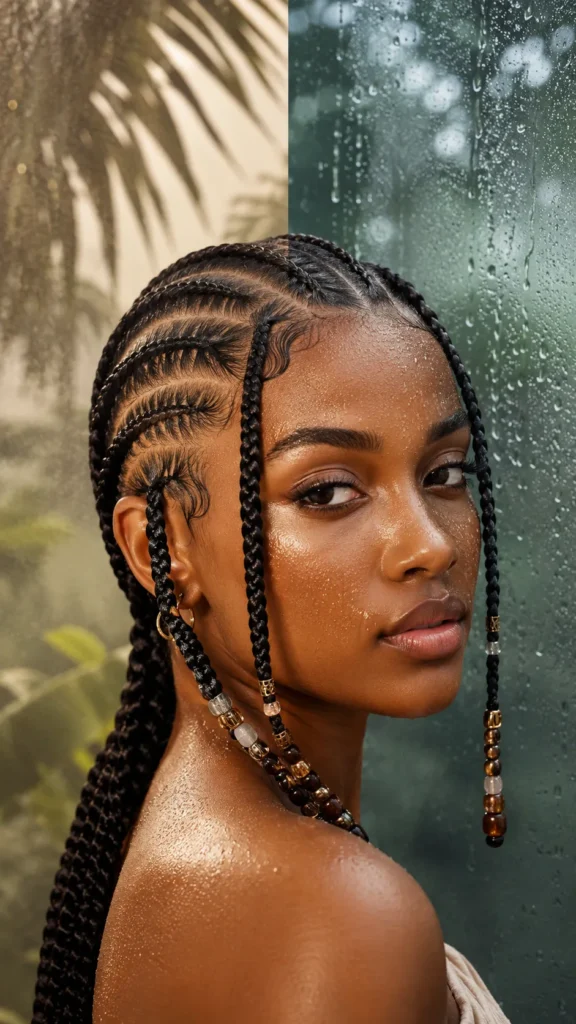
Where you live genuinely changes how your braids behave, and this is something I wish more people thought about before booking. Humid climates tend to bring frizz around the edges within the first week or two, especially if your braiding hair isn’t the higher quality kind. A light anti humidity spray or a small amount of edge control reapplied every few days keeps things looking crisp longer. On the flip side, dry winter air can cause static and flyaways, so switching to a hydrating oil rather than a gel based product makes a noticeable difference. One thing I always tell clients moving between climates for travel is to pack both, since your hair might need completely different care depending on where you land.
14. Sleeping, Swimming, and Working Out With Fulani Braids
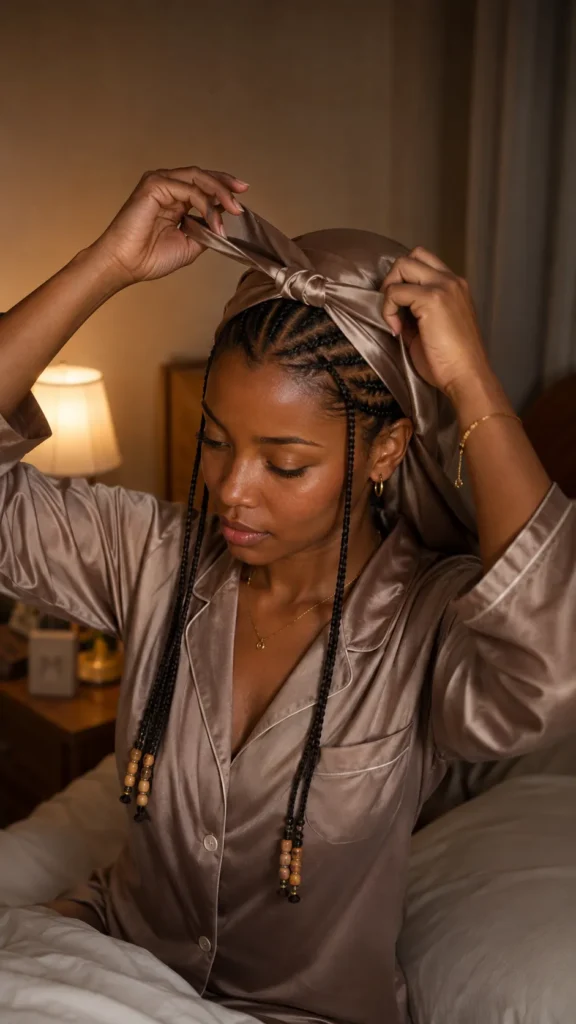
Your daily habits matter just as much as the install itself when it comes to how long this style actually lasts.
- Sleep with a silk or satin bonnet, or wrap the braids loosely with a scarf to prevent friction against cotton pillowcases.
- Swimming is fine, but rinse with fresh water afterward and avoid leaving chlorine or salt water to dry naturally in your braids.
- For workouts, tying hair up loosely and using a light sweat absorbing spray at the scalp helps avoid buildup that leads to itching later.
I’ve had clients swear their braids lasted an extra two weeks just from switching their pillowcase alone.
15. Week by Week Maintenance That Actually Works for Busy Schedules
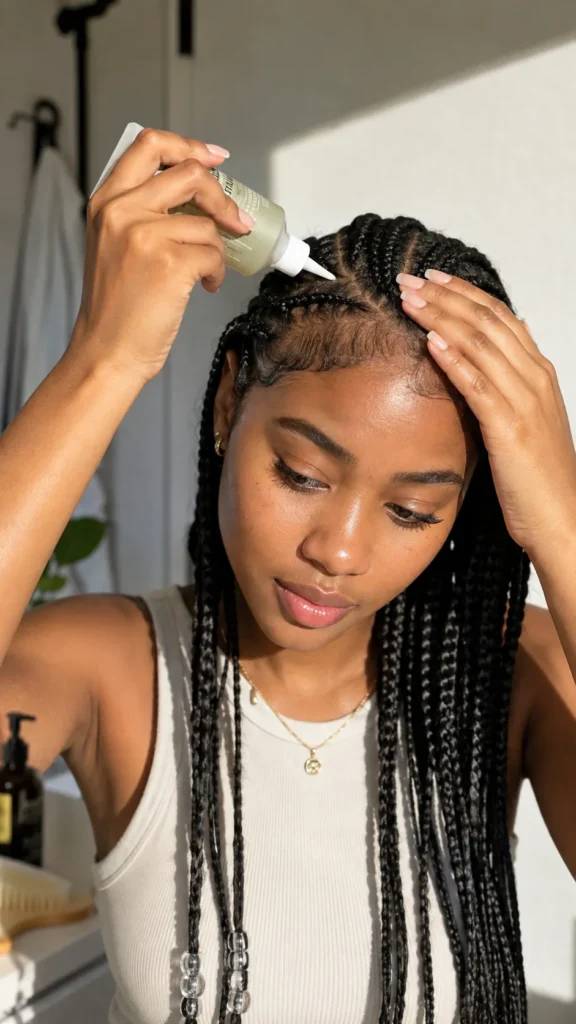
Nobody has time for a complicated routine, so here’s the realistic version. In the first week or two your braids will look their absolute best, so just keep them lightly moisturized and avoid touching them too much. By week three or four, your scalp will likely need a gentle cleanse, which you can do with a diluted shampoo applied directly to the scalp using a nozzle applicator rather than trying to scrub the whole braid. Somewhere around week five or six, start mentally preparing for takedown rather than pushing past that window, since your edges and natural hair underneath will thank you later.
Your 60 Second Style Picker
Budget Friendly Picks
- Large chunky Fulani braids, fastest install and easiest on your wallet
- Classic center part with plastic beads instead of wooden ones
- DIY friendly styles using Amazon favorites like the Marlybiss Ombre Braiding Hair or Zoo Braiding Hair bundles
Worth the Splurge
- Boho Fulani with wavy human hair blend for that soft goddess finish
- Fulani knotless for anyone prioritizing scalp comfort over price
- Small detailed cornrow patterns with color, since precision work takes a skilled hand
Busy Professionals
- Cute everyday Fulani styled straight back or in a low bun
- Low maintenance beads that won’t clack around during meetings
- A satin bonnet like the Kitsch Satin Sleep Cap kept right in your desk drawer
Hot Weather Styling
- Fulani braids pulled into a high ponytail off the neck
- Lightweight anti frizz spray such as the Cantu Coconut Curling Cream on hand for humidity
- Smaller braids that trap less heat against the scalp
New Moms
- Medium sized braids that are gentle on postpartum thinning edges
- Low tension knotless styles over anything with heavy pulling
- A gentle scalp oil like Mielle Rosemary Mint Oil for extra nourishment between washes
Weekend Casual
- Half up half down styling for effortless off duty energy
- Chunky beads and playful color for personality without commitment
- A wide tooth detangling brush like the Tangle Teezer for lazy Sunday refreshes
Frequently Asked Questions
How long do Fulani braids usually last?
Most Fulani braids hold up beautifully for four to six weeks with proper care. Pushing past that window starts putting real stress on your edges and natural hair underneath, so I always tell clients to book their takedown before week seven.
How much do Fulani braids cost?
I usually tell clients to expect anywhere from one hundred fifty to eight hundred dollars depending on where you live and how detailed the design is. Bigger cities like New York and LA tend to sit at the higher end, while Southern and Midwest pricing is often friendlier on the wallet
Are Fulani braids bad for your edges?
Not if they’re installed correctly. The damage almost always comes from excessive tension rather than the style itself, so speaking up during your appointment if something feels too tight makes a real difference
Can you wash your hair with Fulani braids in?
Yes, and you actually should. A diluted shampoo applied directly to the scalp with a nozzle applicator every couple of weeks keeps things fresh without unraveling your braids or leaving product buildup behind.
What is the difference between Fulani braids and box braids?
The best way to think about it is that Fulani braids always start with cornrows before flowing into braids, while box braids skip the cornrow base entirely. That cornrow detail at the crown and temples is really what gives Fulani its signature tribal look.
Conclusion
Here’s what I know after years of doing this. The right braids don’t just protect your hair, they change how you walk into a room. So screenshot your favorite look from this list, save a photo of your hairline goals, and book that appointment you’ve been putting off for way too long. Your edges will thank you and so will your confidence. Which style are you trying next, the classic beads or the boho curls?