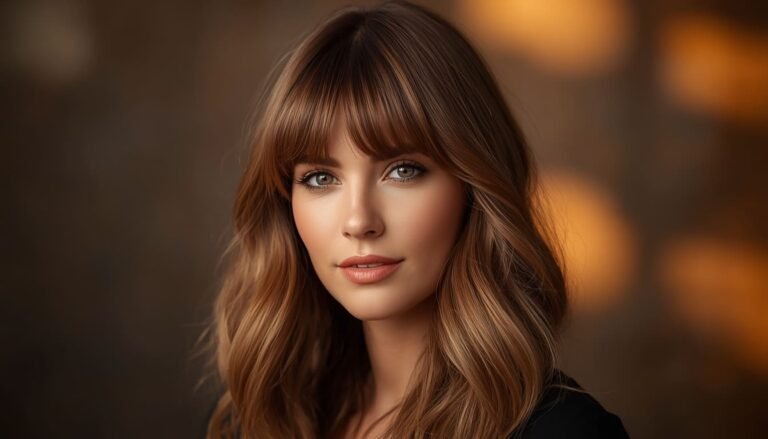
13 Shoulder Length Hairstyles for Thin Fine Hair You’ll Love
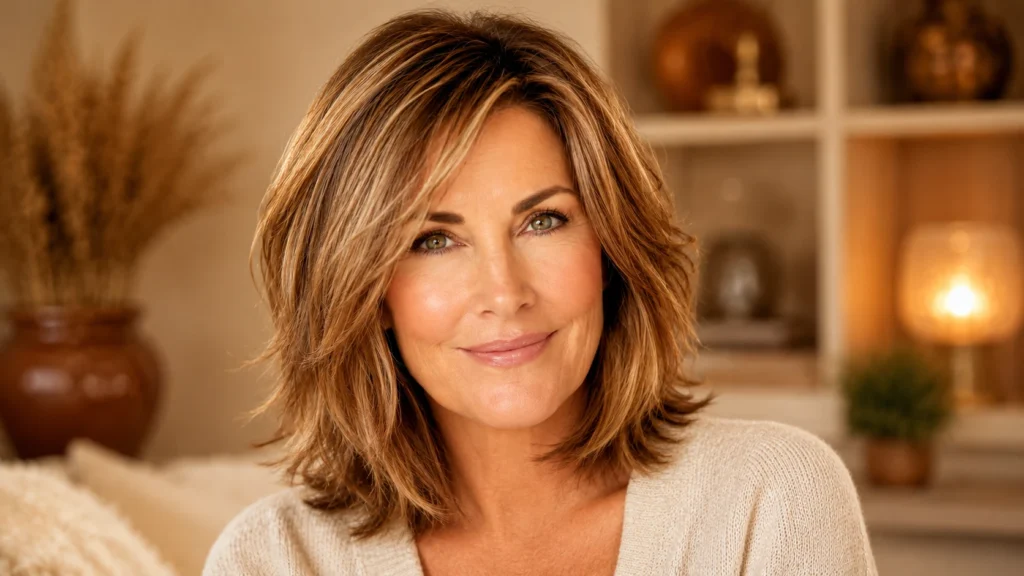
Fine hair doesn’t need a miracle product it needs the right cut. If your hair has been feeling flat, limp, or just plain uninspired lately, I want you to know that shoulder length might be the single best decision you make this year. The styles I’m sharing today aren’t just pretty pictures from a mood board they’re practical, real-world cuts that work specifically for thin fine hair in everyday American life. From blunt lobs to soft shags, these 13 shoulder length hairstyles for thin fine hair will give you a serious reason to book that salon appointment.
My Design Notes
A few years ago, I worked with a client in suburban Chicago a 47-year-old woman who walked into my consultation completely convinced she needed to chop everything into a pixie. Her exact words were “my hair is flat and sad and I’m done fighting it.” I talked her out of it. Instead, we went with a soft layered lob, ghost layers through the mid-lengths, and a subtle money-piece highlight to frame her face. She was skeptical the whole time. Six weeks later, she texted me a photo from her daughter’s graduation hair full, bouncy, and styled entirely by herself using a $12 drugstore mousse and a round brush she already owned. That moment is exactly why I believe so strongly that the right cut changes everything. It’s not about fighting your hair. It’s about finally working with it. My clients with fine hair are always surprised by how much a single smart cut can do no extensions, no volumizing tricks, just the right length and the right shape.
13 Mastering the Art of Voluminous Shoulder Length Styles for Thin Fine Hair
1. Why Shoulder Length Is the Secret Weapon for Thin Fine Hair
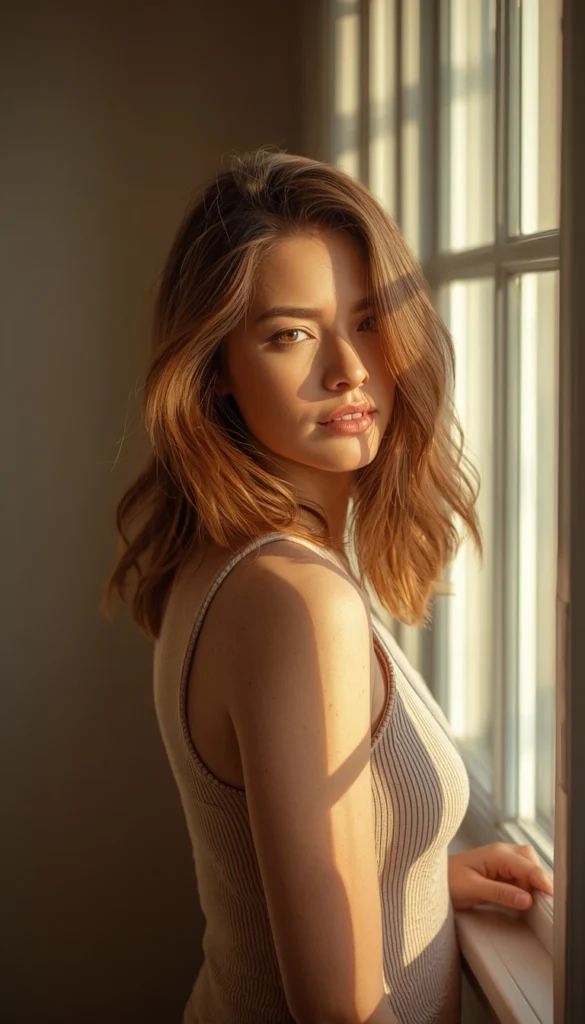
There’s a reason every top stylist I know keeps coming back to shoulder length for fine hair clients. It’s not a trend. It’s physics. When hair grows too long, gravity pulls fine strands flat against the scalp, killing any natural lift at the roots. Shoulder length removes that excess weight while keeping enough length for real styling versatility. You still get ponytails, half-ups, and waves just without the flatness that longer hair brings.
Think of it as the Goldilocks zone for thin hair. Not too short to look sparse, not too long to look limp. Just right.
2. What to Tell Your Stylist Before You Sit in the Chair
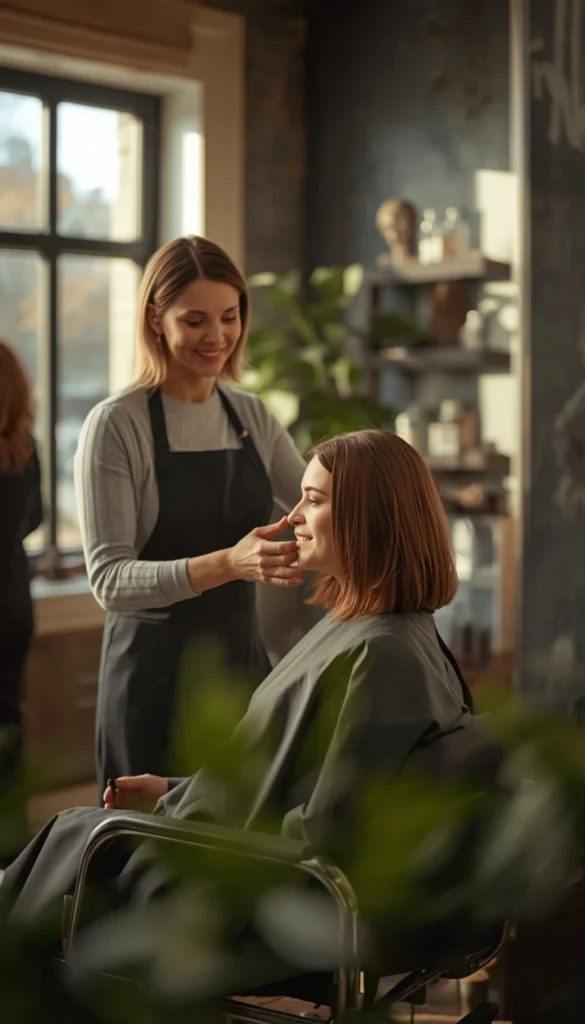
Walking into a salon without a clear plan is one of the most common mistakes I see fine-haired women make. You sit down, your stylist asks what you want, and suddenly you’re saying “just a trim” when what you actually need is a complete reshape. So let’s fix that before your next appointment.
Here’s exactly what to say:
- “I want internal layers only nothing that removes weight from the ends.” This protects density where fine hair needs it most.
- “Keep my length at or just above the collarbone.” This is the sweet spot that prevents gravity from flattening your hair.
- “I don’t want a lot of texturizing at the ends.” Over-texturized ends on fine hair look wispy, not breezy.
Budget-wise, a quality lob or layered cut at a mid-range US salon typically runs between $65 and $150 depending on your city. That’s a worthwhile investment when the right cut can eliminate the need for half your styling products.
3. The Soft Layered LobVolume Without the Drama

This is my most-recommended cut for fine hair, full stop. The soft layered lob sits right at or just below the collarbone, with gentle internal layers that add movement without stripping away density. You can’t always see the layers but you absolutely feel them when your hair swings and bounces instead of sitting flat.
What makes this cut work so well is restraint. The layers are placed strategically inside the hair, not chopped into the surface. The ends stay full and blunt-ish, which creates that visual illusion of thicker hair.
One thing to watch out for is over-layering. If your stylist goes too heavy with the layers, you’ll lose the very density you’re trying to create. Show them a reference photo and specifically ask for “soft, invisible internal layers with full ends.”
This cut grows out beautifully too which matters for fine hair women who can’t always make it back to the salon every six weeks.
4. Textured Lob with Beachy WavesThe Effortless Everyday Look
Few styles feel as effortlessly put-together as a textured lob with soft beachy waves. This is the look I see all over Nashville, Austin, and Southern California right now and for good reason. The waves create an instant body, and the texture makes fine hair look like it has twice the density it actually does.
The secret is in the barrel size. For fine hair, I always recommend a 1.25-inch curling wand large enough to create loose, natural waves without making them look overdone. Wrap sections away from your face, leave the ends out, and you’ve got that lived-in finish that photographs beautifully.
A quick trick I’ve learned over the yearshit your hair with a light mist of sea salt spray before you curl, not after. It gives the waves something to grip onto and makes them last significantly longer.
One real con worth mentioning here: if you live in a humid climatethink Florida, Georgia, or coastal Texasbeachy waves on fine hair can go flat within an hour without the right products. A humidity-blocking spray is non-negotiable in those states.
- Drugstore pick: Not Your Mother’s Curl Talk Frizz Control Spray (under $10)
- Mid-range pick: Kenra Platinum Silkening Mist (around $25)
- Splurge pick: Oribe Imperméable Anti-Humidity Spray (around $46)
If you could wake up tomorrow with any one of these shoulder length styles, which cut do you think would finally make your fine hair feel full and effortless?
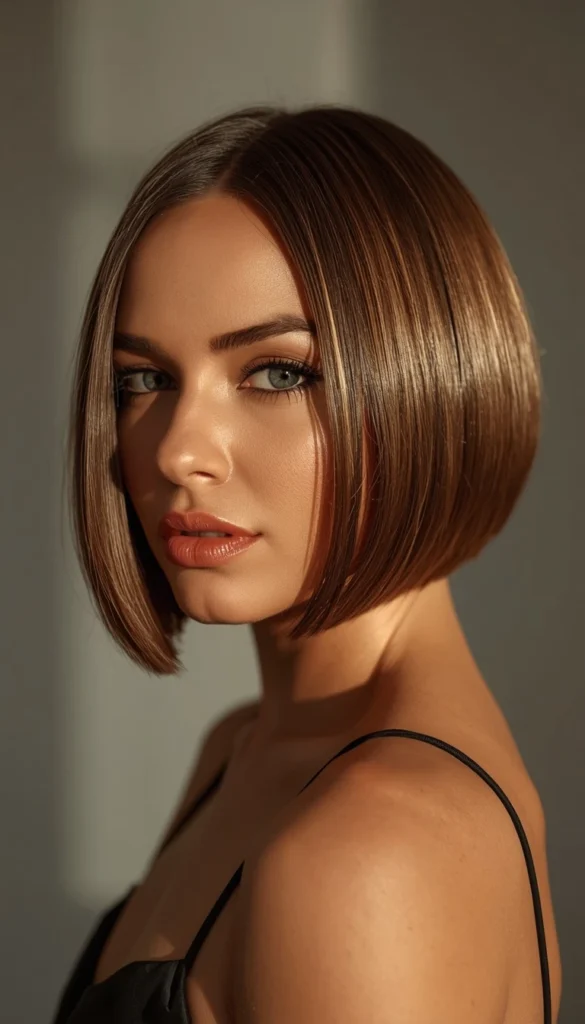
5. The Blunt Collarbone CutSharp Ends That Fake Thickness
If there’s one cut that consistently surprises my fine-haired clients, it’s this one. The blunt collarbone cut looks deceptively simpleone length, clean edges, no layers but the effect it creates is remarkable. Those sharp, precise ends trick the eye into reading the hair as denser and heavier than it actually is.
This style works especially well for women with pin-straight fine hair who’ve been told their whole lives that layers are the only solution. They’re not. Sometimes removing all the layers and going clean and blunt is exactly what fine hair needs to look its absolute best.
A quick styling noteblow dry with a paddle brush pulling downward for a sleek finish, or add a slight bend at the ends with a flat iron for a modern French-girl look. Either way, the blunt line does the heavy lifting for you.
One honest con here: this cut requires consistent trims. Skip your six-week appointment and those clean edges start looking uneven and grown-out fast. Budget for regular maintenance if you go this route.
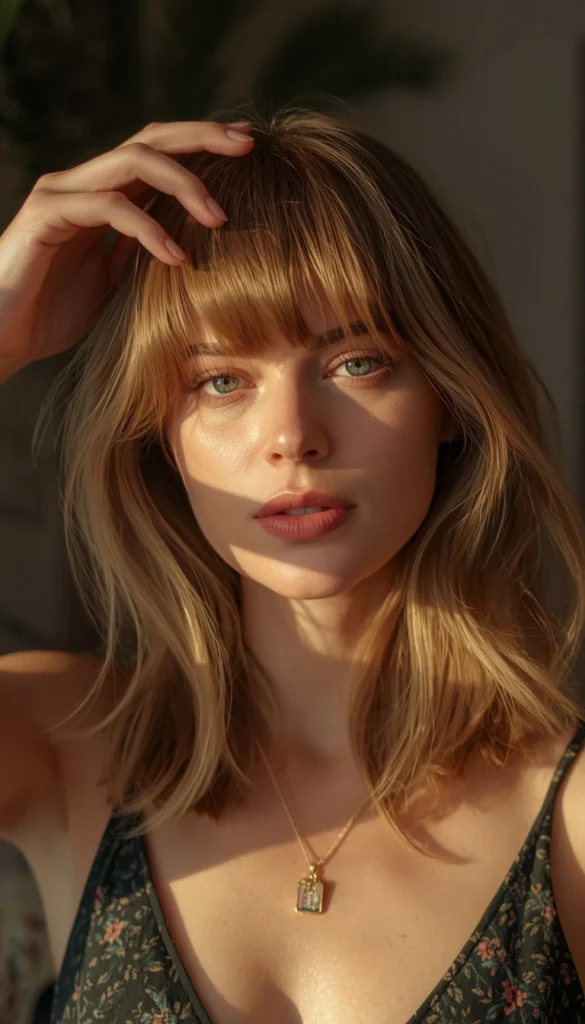
6. Curtain Bangs with Shoulder Length HairFrame Your Face and Fake Fullness

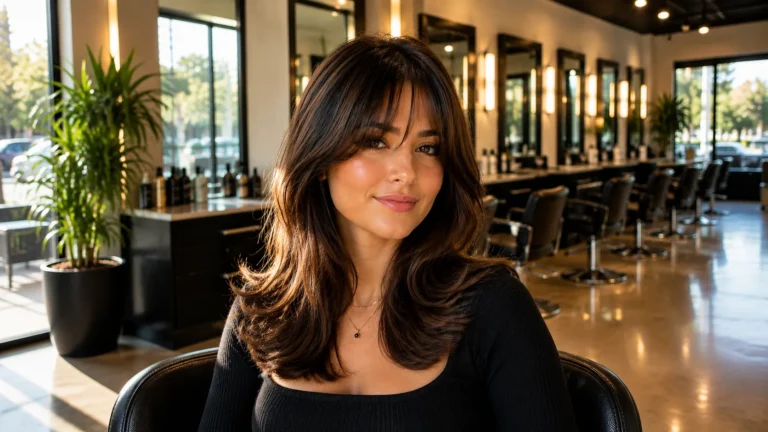
Curtain bangs are having a serious moment across the US right now, and honestly, they deserve every bit of the attention. When paired with shoulder length hair, they do something really special for fine hair: they draw the eye forward and create the illusion of volume right where it matters most, around the face.
The key is asking for them to be soft and blended, not blunt. You want them to flow naturally into the rest of your hair, not sit on top of it like a separate piece.
Here’s my go-to blow-dry technique for curtain bangs on fine hair:
- Start with hair about 90% dry before touching the bangs
- Use a small round brush and sweep each side away from your face
- Direct the airflow downward to avoid frizz and flyaways
- Finish with the lightest possible hold sprayheavy products will flatten them immediately
The one reality check nobody tells you about curtain bangs? They need daily attention. Unlike the rest of your shoulder length cut, bangs don’t get a day off. If you’re a wash-and-go kind of person, curtain bangs will frustrate you. But if you enjoy a quick two-minute morning routine, they’re absolutely worth it.
Top 6 shoulder length hairstyles for thin fine hair
| Idea | Estimated Price | Maintenance |
|---|---|---|
| Soft Layered Lob | $65 to $120 | Low |
| Textured Lob with Beachy Waves | $75 to $130 | Medium |
| Blunt Collarbone Cut | $60 to $110 | High |
| Curtain Bangs with Shoulder Length | $80 to $140 | High |
| Ghost Layers Shoulder Length | $85 to $150 | Low |
| Color plus Cut Combo | $150 to $300 | Medium |
7. The Soft Modern Shag for Fine HairEdge Without the Risk
The word “shag” used to scare my fine-haired clients. And honestly, I get itthe classic 70s shag was heavy, choppy, and built for thick hair. Today’s version is a completely different animal. The modern shag for fine hair uses softer, more blended layers that create movement and texture without gutting your density.
What I love about this cut is the lift it creates at the crown. Fine hair often falls flattest right at the top of the head, and the modern shag’s shorter crown layers work against gravity in the best possible way.
This style flatters a surprisingly wide age range too. I’ve seen it look stunning on women in their late 20s going for an edgy, fashion-forward vibe, and equally gorgeous on women in their 50s who want something modern and low-maintenance. The key is asking your stylist to keep the layers blended and avoid anything too choppy or disconnected.
One con worth knowing up front is that the modern shag is not the most conservative office look. If your workplace leans traditional, this cut might feel a little too “creative” from Monday to Friday. Something to consider before you commit.
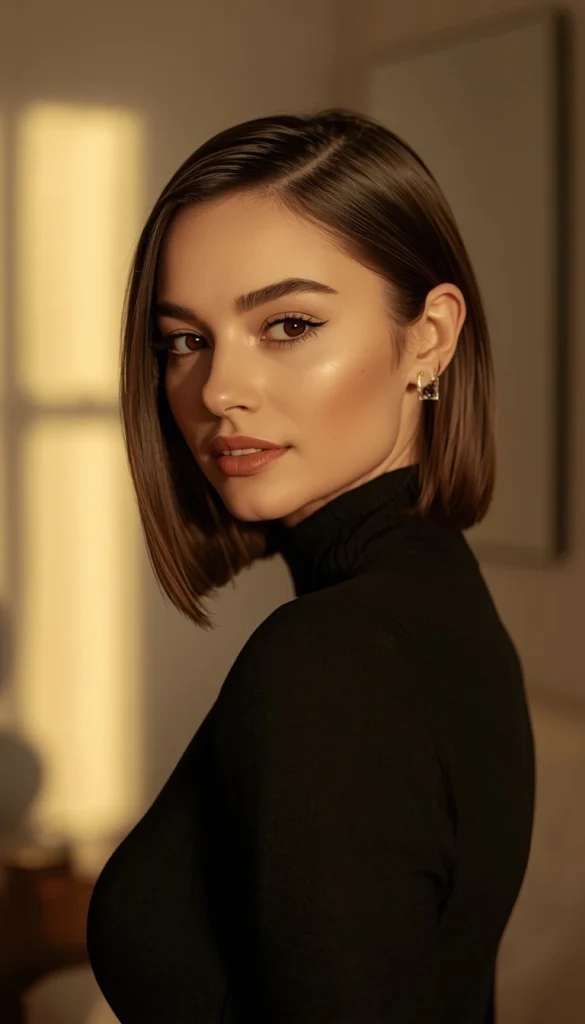
8. The ALine LobAsymmetry as a Volume Hack

The A-line lob is one of those cuts that looks like a simple style choice but is actually doing serious structural work for fine hair. The back is cut slightly shorter, the front panels are left longer, and that diagonal line creates shape and fullness that a blunt all-one-length cut simply can’t achieve.
It adds movement in a very specific way when you turn your head, the hair swings and falls with intention. That sense of deliberate shape makes fine hair look styled and full even on low-effort days.
Girls across the US have been gravitating toward this cut for years, and my clients who’ve tried it rarely go back to anything else. The face-framing length in the front is particularly flattering for oval, heart, and longer face shapes.
A quick heads up though the A-line lob is genuinely tricky to self-trim at home. That angle needs a professional eye to stay sharp. If you’re someone who likes to do between-appointment touch-ups yourself, this particular cut will test your patience.
Have you ever asked your stylist for layers on fine hair and walked out feeling like it made things worse and what do you wish they had done differently?
9. Shoulder Length with Invisible Ghost LayersThe Trend Taking Over US Salons
If you haven’t heard the term “ghost layers” yet, you will soon. This is genuinely one of the biggest techniques sweeping through US salons right now, and fine hair women are the ones benefiting most from it. Ghost layers are exactly what they sound like layers you cannot see but absolutely feel. Your hair looks one length from the outside, but moves and behaves like it has fullness and life built right into it.
The genius of this technique is that it preserves every bit of your density while quietly adding flow and movement underneath. No wispy ends, no thinned-out tips, no regrets three weeks later.
When booking your appointment, ask specifically for “internal ghost layers with no surface texture.” Most experienced stylists in the US will know exactly what you mean. Expect this to run about $20 to $40 as an add-on to your base cut price completely worth every dollar for the result you get.
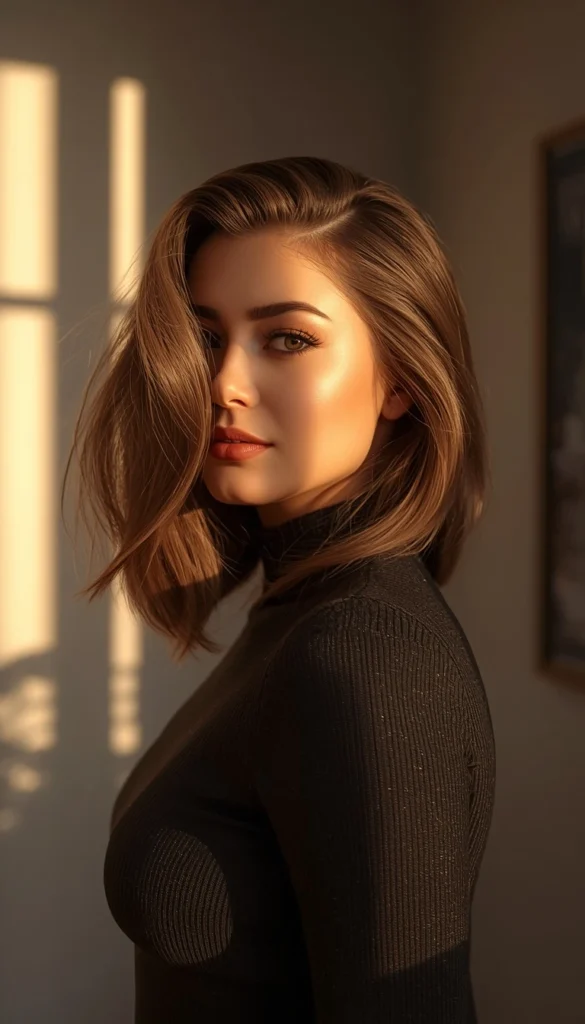
10. The Side Parted Voluminous LobInstant Root Lift in Seconds
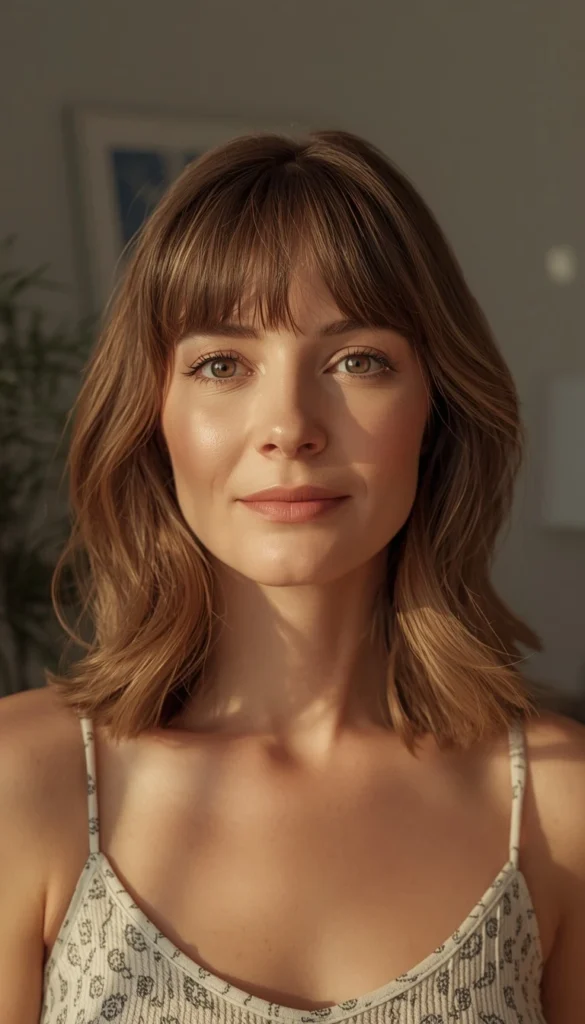
This one is for the woman who wants maximum impact with minimum effort. The deep side part is back in a big way, and I couldn’t be happier about it. For fine hair specifically, shifting your part to one side does something almost magical it creates instant volume and lift at the roots without a single styling product.
The physics are simple. Your hair isn’t used to falling in that direction, so it naturally pushes upward at the root before gravity takes over. That resistance is pure, effortless volume.
Here’s how to make it work even harder for you:
- Flip your part to the opposite side while your hair is still damp after washing
- Blow dry in that direction to train the roots to lift
- Finish with a light mist of dry shampoo at the roots for grip and longevity
A quick trick I always share with my clients switch your part every few weeks. Fine hair that always falls the same direction eventually trains itself flat. Keeping it guessing is one of the easiest free volume hacks there is.
11. Blended Bangs with Soft LayersLow Key Framing That Doesn’t Overwhelm
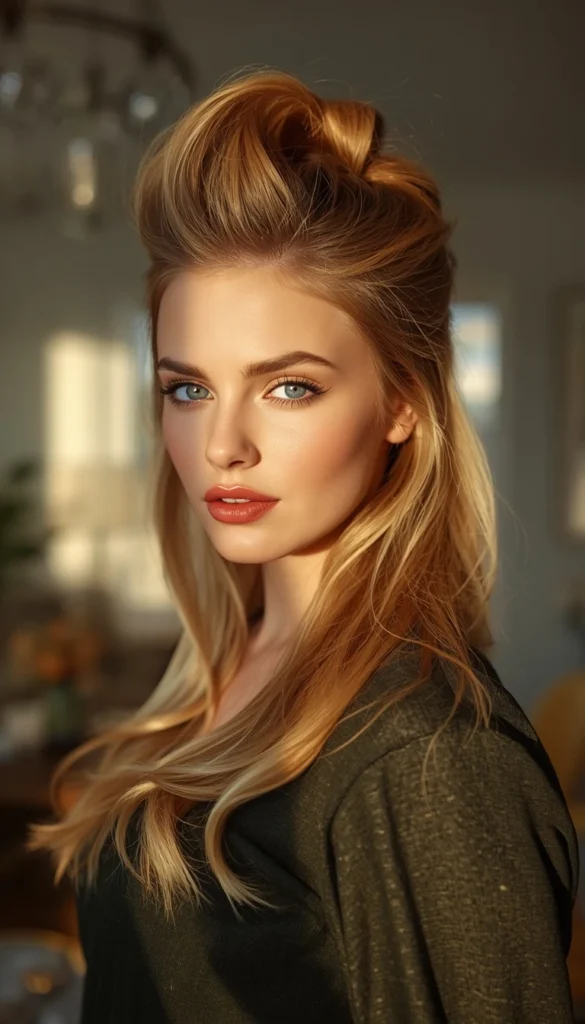
Blended bangs are the quieter, more understated cousin of curtain bangs and for certain fine hair types, they’re actually the smarter choice. Instead of a defined parted fringe, blended bangs taper softly into the layers of your cut, creating dimension around the face without any harsh separation or visible line.
What I love most about this style is how forgiving it is. There’s no blunt edge to maintain, no precise part to recreate every morning. The bangs just flow naturally into everything else, which makes styling genuinely effortless on tired days.
This approach works beautifully for oval and heart face shapes, and it’s particularly flattering for women with fine hair that also tends toward frizz. Because there’s no defined bang line, a little texture or wave actually enhances the look rather than fighting it.
Ask your stylist for “softly tapered layers through the front that blend into the cut without thinning the ends.” That one sentence will get you exactly where you want to be.
12. The Half Up Half Down Shoulder StyleVolume at the Crown Without the Fuss
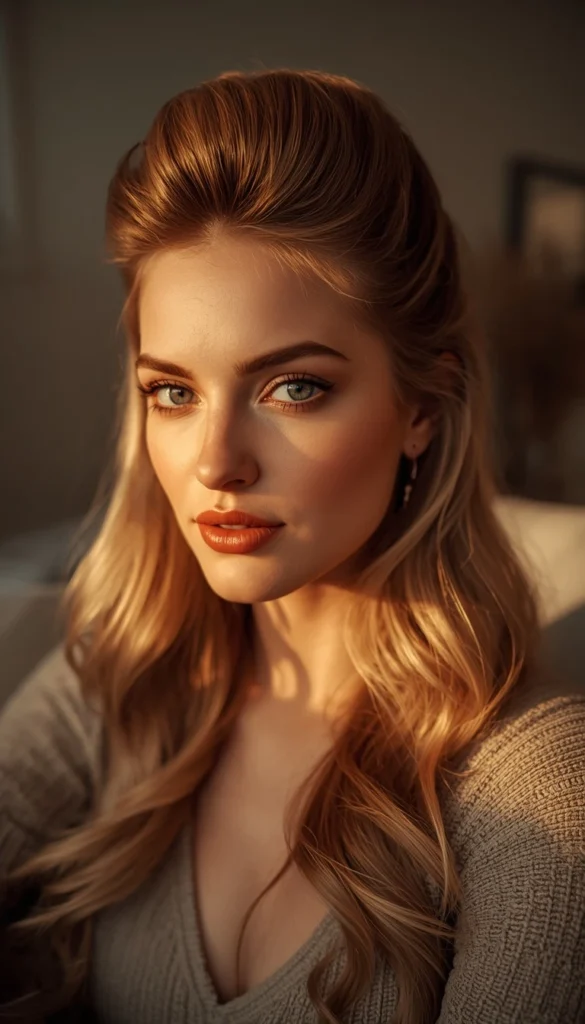
This isn’t just a styling choiceit’s a fine hair strategy. Pulling the top section up while leaving the rest down instantly creates the illusion of fuller, thicker hair at the crown, which is exactly where fine hair tends to fall flattest. It’s one of those looks that seems casual but is actually doing a lot of quiet, clever work.
The trick is in the prep. Before you pull anything up, hit your roots with a texturizing spray or a light dry shampoo. That grip at the base is what gives you real lift rather than a flat, slicked-back look that actually makes fine hair appear thinner.
One honest con here if your hair is very fine at the crown specifically, pulling it back can sometimes reveal the scalp more than you’d like. A small amount of tinted dry shampoo or root powder in a shade close to your hair color solves this instantly and costs almost nothing.
- Works best for: medium to fine hair with at least moderate density at the crown
- Best occasion: casual everyday wear, date nights, weekend outings
- Avoid if: your hair is extremely thin at the top and you haven’t addressed it with color or texture yet
13. Color Techniques That Make Any Shoulder Length Cut Look Fuller
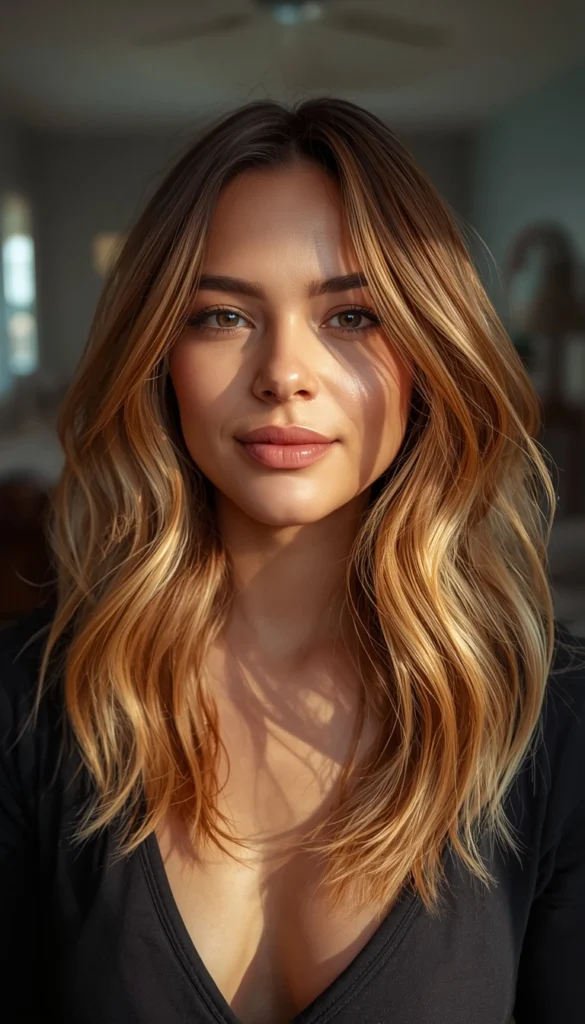
Here’s something none of my competitors will tell you the right color technique can make your shoulder length cut look dramatically fuller without changing a single thing about the actual shape. Color creates dimension, and dimension creates the illusion of thickness. It’s one of the most underused tools in the fine hair playbook, and I genuinely wish more women knew about it.
The techniques that work best for thin fine hair at shoulder length are subtle but powerful. Balayage painted lightly through the mid-lengths and ends breaks up the flat, one-dimensional look that fine hair often has under indoor lighting. It makes the hair appear to have layers and depth even when it’s sitting perfectly still.
A money piecethose face-framing highlights right at the frontworks especially well with shoulder length cuts because it draws attention to the shape of the cut itself rather than the density of the hair. Your eye goes straight to those bright front pieces and reads the whole look as full and intentional.
Root shadowing is another technique I recommend constantly for fine hair clients. Keeping the roots slightly darker than the rest of the hair creates the visual impression of depth at the scalp, which actually makes hair look thicker right where it matters most.
A few things worth knowing before you book your color appointment:
- Balayage at a mid-range US salon typically runs between $150 and $250 depending on your location and hair length
- A simple money piece highlight is usually $60 to $100 and takes under an hour
- Root shadow can often be added to any existing color service for $30 to $50 extra
One thing to watch out forheavy, all-over bleaching on fine hair causes breakage and actually makes hair look thinner over time. Always ask your colorist for a technique that adds dimension without compromising the integrity of your strands. Less processing, more strategic placement. That’s the fine hair color rule I live by.
Are you team low maintenance ghost layers or team styled beachy waves and what does your typical morning hair routine actually look like right now?
Your 2 Minute Style Decision Map
By Budget
Salon Smart (Under $100)
- Soft Layered Lobask for internal layers only, full ends
- Blunt Collarbone Cutone length, clean edges, no add-ons needed
- Side Parted Voluminous Loba simple restyle your stylist can do fast
- Ghost Layer slow-cost add-on to any existing cut ($20 to $40 extra)
Worth Every Penny (Over $100)
- Textured Lob plus Balayage cut and color combo that transforms fine hair
- Curtain Bangs with Shoulder Length factor in regular bang trims every 6 weeks
- Money Piece Highlight plus A-Line Lobface framing color plus shape in one visit
- Full Color Refresh plus Ghost Layers the ultimate fine hair transformation ($150 to $300)
By Lifestyle
The Busy Woman (Low Maintenance)
- Soft Layered Lobwash, diffuse, go
- Ghost Layers Shoulder Length looks styled with zero effort
- Blended Bangs with Soft Layersno precise styling needed every morning
- Side Part Lobflip the part, add dry shampoo, done in 60 seconds
The Style Lover (Enjoys Styling)
- Textured Lob with Beachy Wavesfun to style, stunning results
- Modern Shagloves a little texturizing spray and scrunching
- Curtain Bangsrewarding daily two minute blowout routine
- A-Line Lobsharp, intentional, always looks polished with effort
Frequently Asked Questions
What is the best shoulder length haircut for thin fine hair?
The soft layered lob wins every time. Internal ghost layers add movement without stripping density, and the collarbone length keeps gravity from flattening your strands.
Does shoulder length hair make thin hair look thicker?
Yes, absolutely. Shoulder length removes the excess weight that pulls fine hair flat, giving it natural bounce and the illusion of fullness that longer styles simply cannot achieve.
How often should I trim shoulder length thin hair?
Ideally every 6 to 8 weeks. Fine hair shows split ends and uneven edges faster than thick hair, and those scraggly ends are what make thin hair look sparse rather than full.
Can curtain bangs work for very fine thin hair?
Yes, but only if they are kept soft, blended, and light. Heavy or blunt curtain bangs will overwhelm fine hair. Ask your stylist specifically for tapered, feathered bangs that melt into your layers.
What colors make thin shoulder length hair look fuller?
Balayage and face framing highlights work best. They break up flat one-dimensional color and create depth that makes hair appear thicker, especially under natural light.
Conclusion
Your hair doesn’t need more products, more heat, or more effort it needs a cut that actually works with your fine strands instead of against them. One salon appointment with the right stylist, the right technique, and a clear vision can genuinely change how you feel every single morning when you look in the mirror. I’ve watched it happen with my own clients more times than I can count, and I promise you it’s not magic it’s just the right length, the right shape, and a little bit of knowledge going in.