30 Hush Cut Hairstyles for Soft Feathered Layers
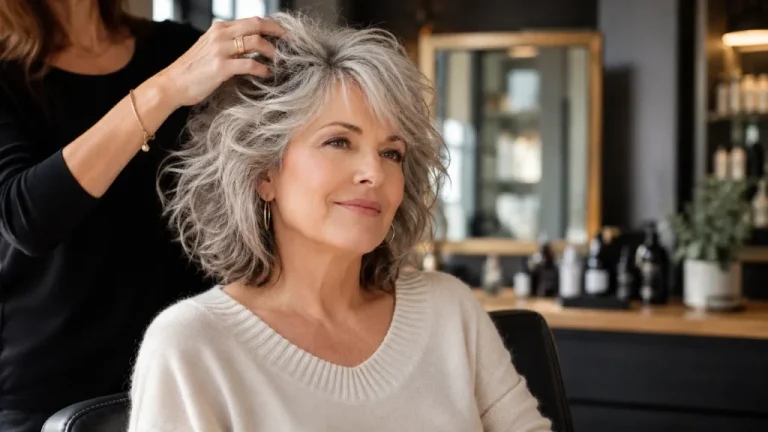
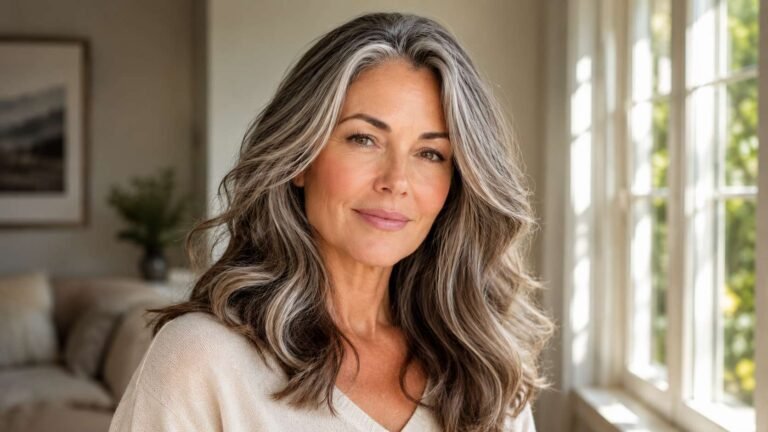
The hush cut hairstyles taking over salons this year are the quiet answer to the wolf cut era. Where the wolf cut shouts, the hush cut whispers — soft, feathered layers that fall like they were never touched by scissors. It went viral on TikTok for good reason: the cut looks expensive, asks for almost no styling, and grows out softly instead of going shaggy.
What sets it apart is restraint. The layering starts higher, the ends are point-cut so they melt instead of stack, and there is no mullet-like shortness at the crown. The result is movement everywhere and bulk nowhere — a cut that works on straight, wavy and curly hair, and flatters women of every age.
Below you will find 30 hush cut ideas — the collarbone classic, long and bob lengths, every bang pairing, rich colors, and versions for curls, fine hair, thick hair and glasses — each with a real photo, the face shapes it suits, a concrete styling tip, and an exact phrase to say to your stylist so you leave the salon with the right cut.
What Is a Hush Cut?
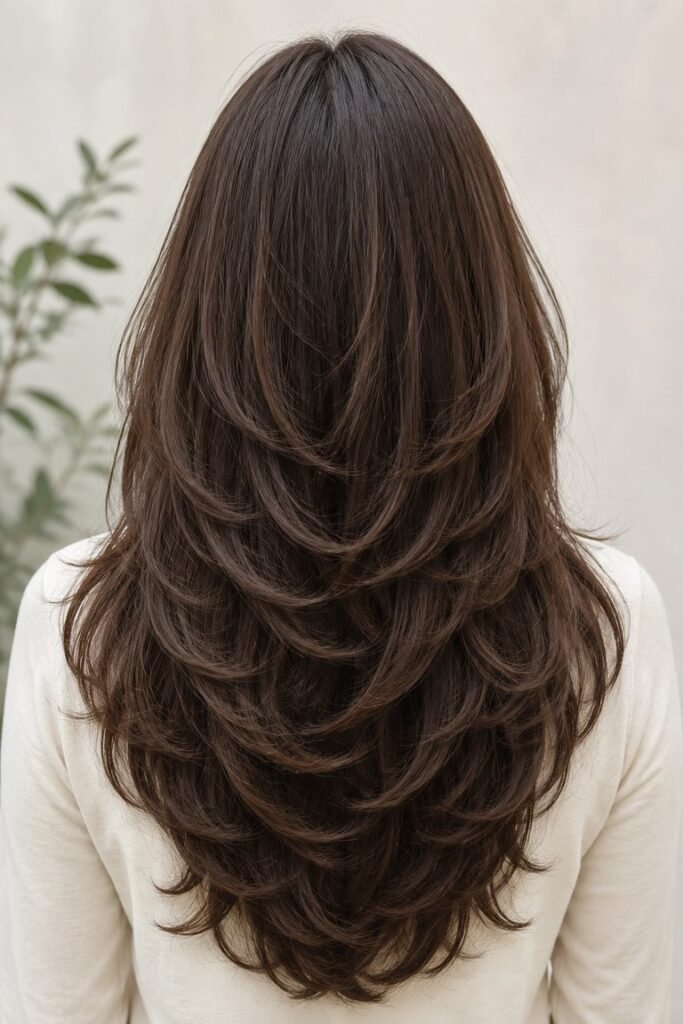
The hush cut is a soft, wispy layered haircut built on feathering rather than chopping. Layers are slide-cut or point-cut so they taper and melt into one another, with the shortest pieces starting around the cheekbones and the rest cascading down. It is often called the wolf cut’s quieter cousin: it shares some DNA with the classic shag haircut, but the volume is distributed through the lengths instead of piled at the crown, so nothing reads harsh or mullet-like. The best part is the grow-out — because the ends are feathered, three months in still looks intentional. Ask for it by name and bring a photo; “soft layers” alone will not get you this cut.
Hush Cut vs Wolf Cut vs Shag vs Butterfly Cut
All four live in the wider family of layered hair, but they cut and behave very differently. Here is how to tell them apart before you book:
| Hush Cut | Wolf Cut | Shag | Butterfly Cut | |
|---|---|---|---|---|
| Layering intensity | Soft, feathered, blended | Heavy, choppy, disconnected | Even, full shag layers | Face-framing layers with long back |
| Bangs | Optional curtain bangs or wispy fringe | Choppy micro bangs or heavy fringe | Curtain bangs or full fringe | Long curtain bangs |
| Volume | Distributed, airy | Top-heavy at the crown | Balanced through mid-lengths | Full around the face |
| Vibe | Quiet, expensive, soft | Edgy, rock, undone | Retro 70s cool | Bouncy, salon blowout |
If you want the wolf cut’s movement without its edge, the hush cut is your cut.
1. The Classic Hush Cut
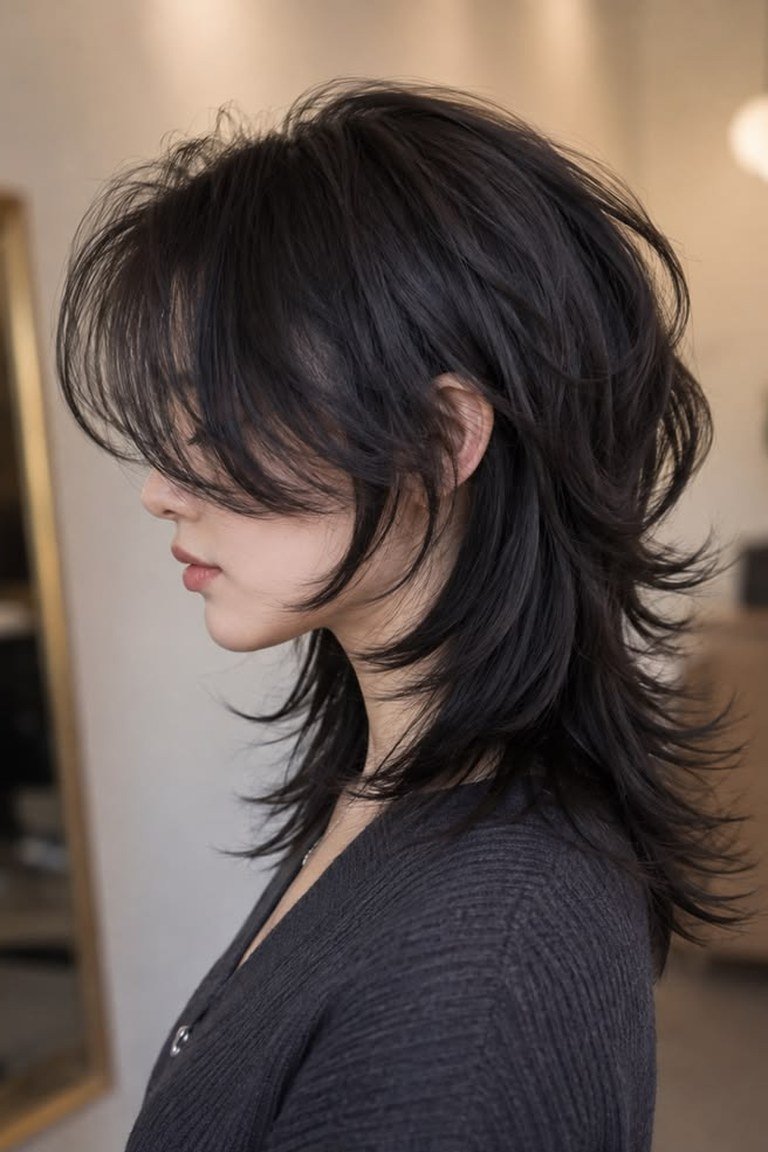
The signature version: collarbone length, feathered layers starting at the cheekbones, ends point-cut so thin they disappear into each other. It moves when you walk and falls back into place without a brush. This is the photo to save if you want the true, recognizable hush cut.
Best for: Oval, heart and square face shapes.
Hair type: Straight to wavy, medium density.
Ask your stylist: “Collarbone length with soft feathered layers starting at the cheekbones — point-cut the ends so they melt, no blunt perimeter.”
Styling tip: Round-brush blow-dry with an outward flick on the final pass; the flicked ends show off the feathering.
2. Long Hush Cut With Face-Framing Layers
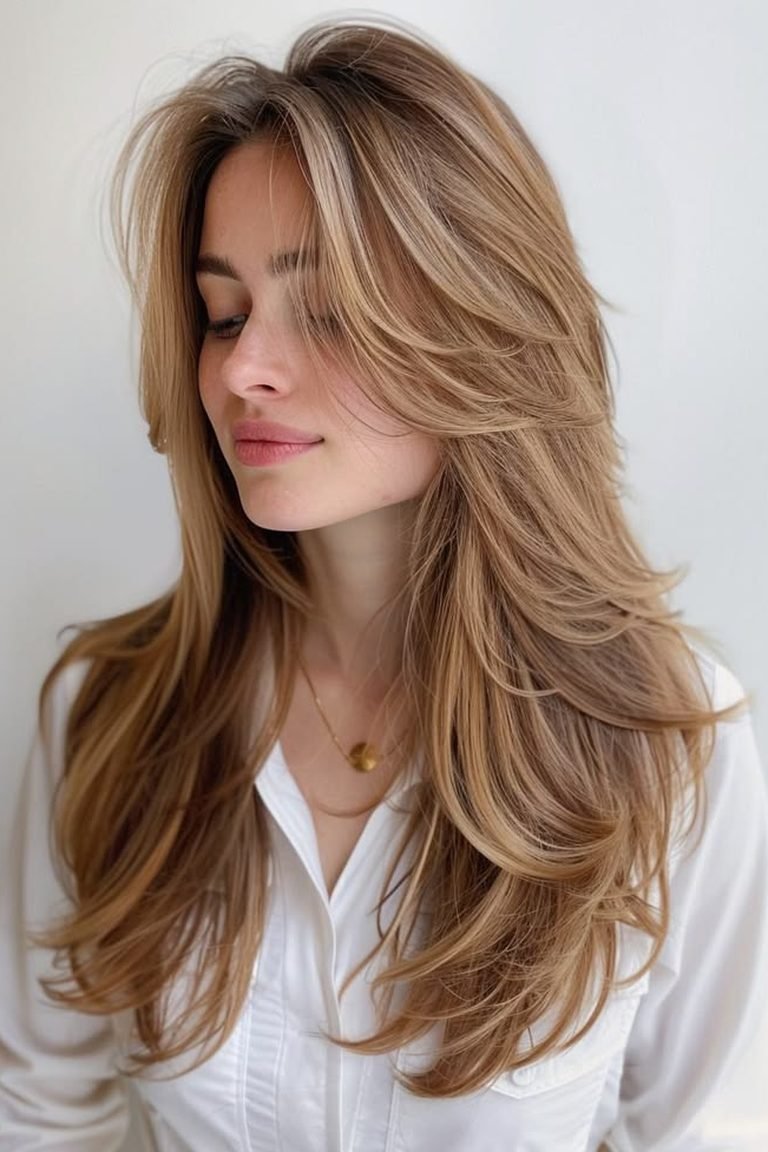
Waist-skimming length with the hush treatment kept to the front: three to four face-framing pieces cut from chin level down, so the back stays long while the front moves. Long hair can look heavy and flat; these pieces fix that without touching your length.
Best for: Oval, long and heart face shapes.
Hair type: Straight to wavy, medium to thick.
Ask your stylist: “Keep all the length, but cut long face-framing layers starting at the chin — feathered, not chunky.”
Styling tip: Curl just the front pieces away from your face with a large iron; it opens up the whole cut.
3. Shoulder-Length Hush Cut
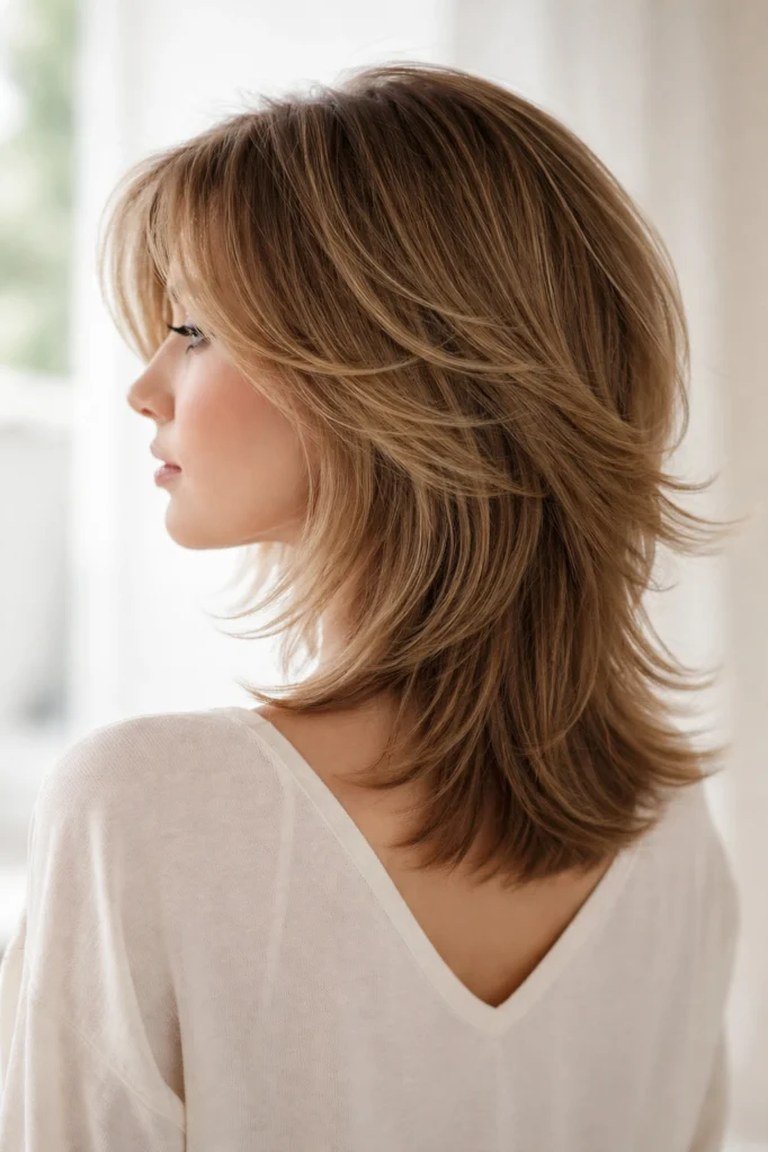
The most wearable length of the bunch. It sits right at the shoulders with invisible interior layers — layers cut inside the hair that create movement without changing the outline. You get swing and softness, and it still tucks behind your ears and goes up in a clip.
Best for: All face shapes.
Hair type: Straight to wavy, fine to medium.
Ask your stylist: “Shoulder length with internal layers for movement — keep the perimeter looking full.”
Styling tip: Air-dry with a pea-sized amount of smoothing cream; the interior layers do the work for you.
4. Hush Cut Bob
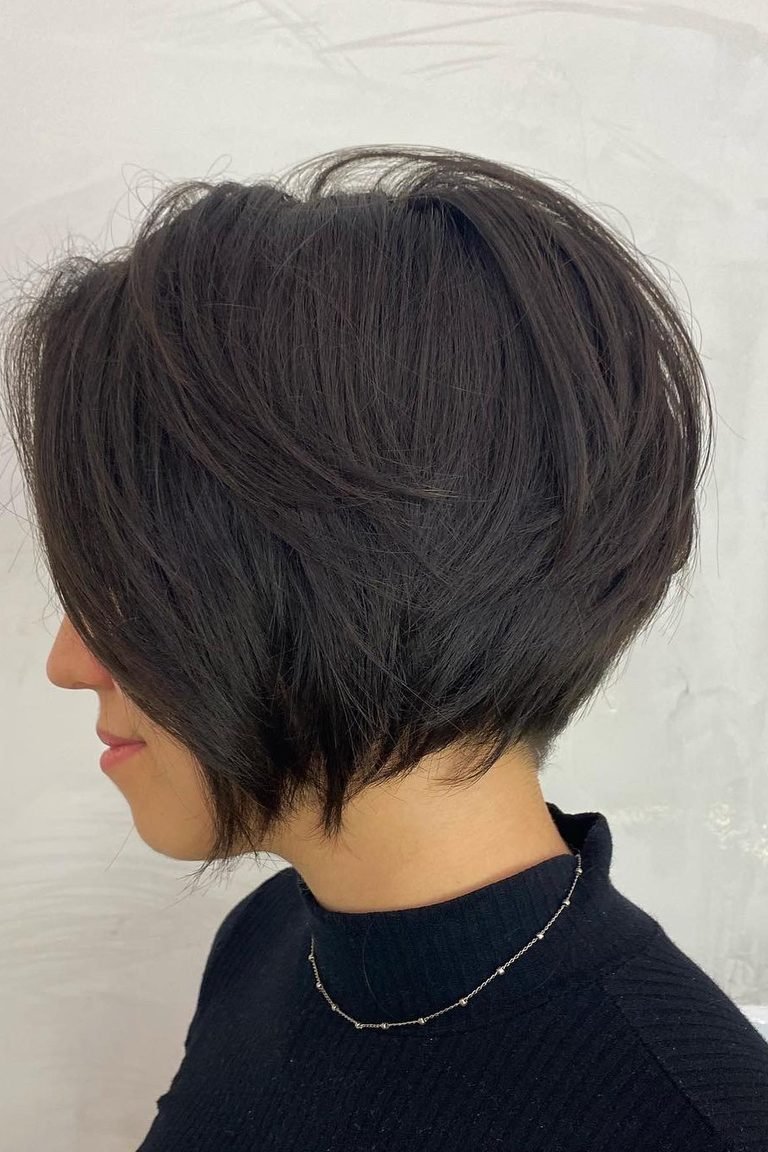
Chin-to-jaw length with the ends slide-cut at an angle so they feather instead of flipping under in a solid line. It is a bob with the hush cut’s softness built in — shorter than the classic, but none of the severity of a blunt bob.
Best for: Oval, heart and long face shapes.
Hair type: Straight to wavy, fine to medium.
Ask your stylist: “A chin-length bob with the ends slide-cut at 45 degrees — feathered, no blunt line.”
Styling tip: Tuck one side behind the ear to show the feathered edge; a tiny drop of serum keeps the ends piecey.
5. Hush Cut With Curtain Bangs
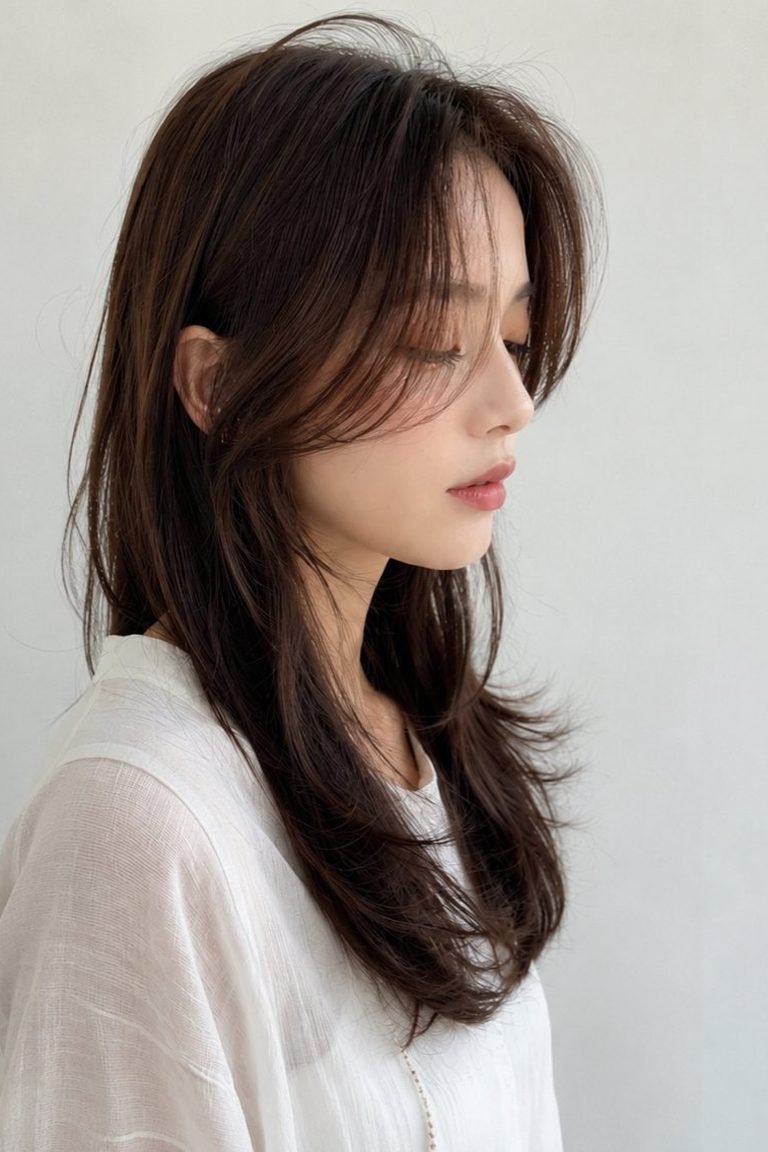
The iconic pairing. Curtain bangs parted in the center, longest pieces kissing the cheekbones, melting straight into the hush layers so you cannot tell where the bangs end and the layers begin. This is the combination that made the cut famous on TikTok.
Best for: Oval, heart, square and long face shapes.
Hair type: Straight to wavy, all densities.
Ask your stylist: “Curtain bangs that blend into the face-framing layers — longest pieces at the cheekbones, nothing disconnected.”
Styling tip: Blow-dry the bangs forward with a round brush, then split them; they fall into the curtain shape on their own.
6. Hush Cut With a Wispy Fringe
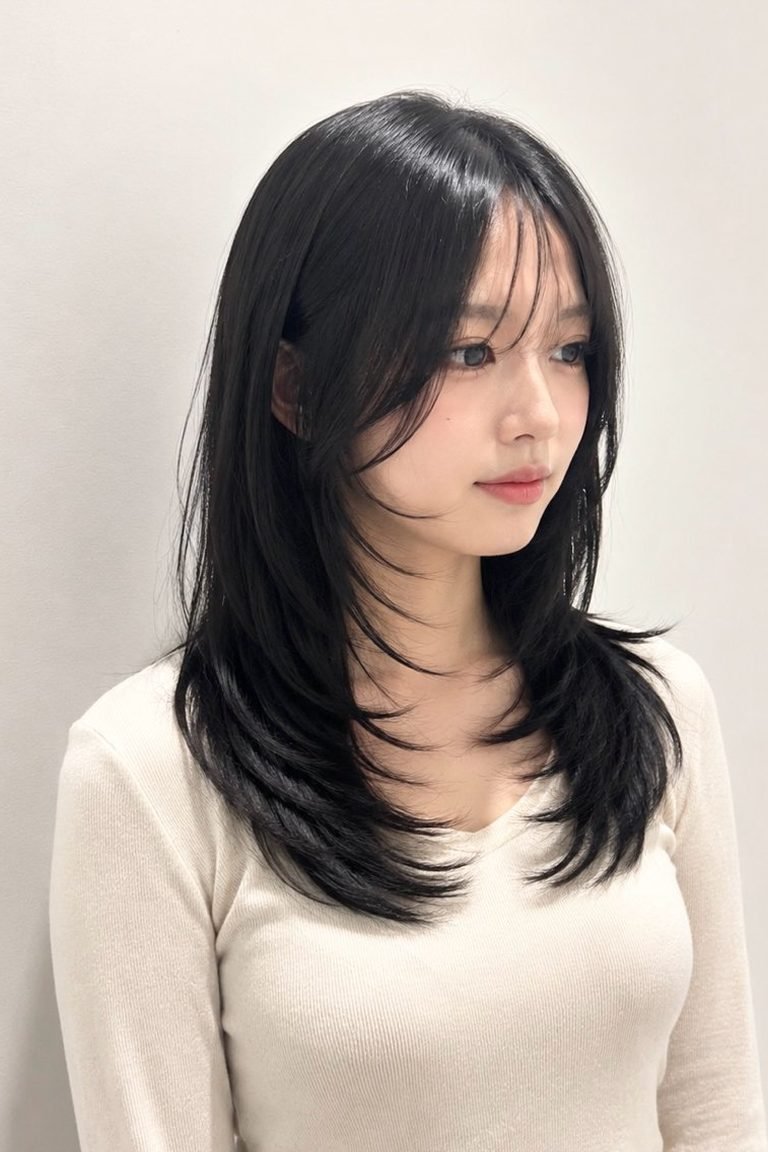
A fringe so light you can see forehead through it — razor-cut, not scissor-blunt, so it sits soft instead of heavy. It gives the hush cut a dreamy, romantic edge and grows out into curtain bangs with zero awkward phase.
Best for: Long, oval and heart face shapes.
Hair type: Straight to wavy, fine to medium.
Ask your stylist: “A razor-cut wispy fringe, see-through light — keep it long enough to tuck behind my ears.”
Styling tip: Pinch the fringe between your fingers with a dab of texture paste for piecey separation.
7. Hush Cut With Side-Swept Bangs
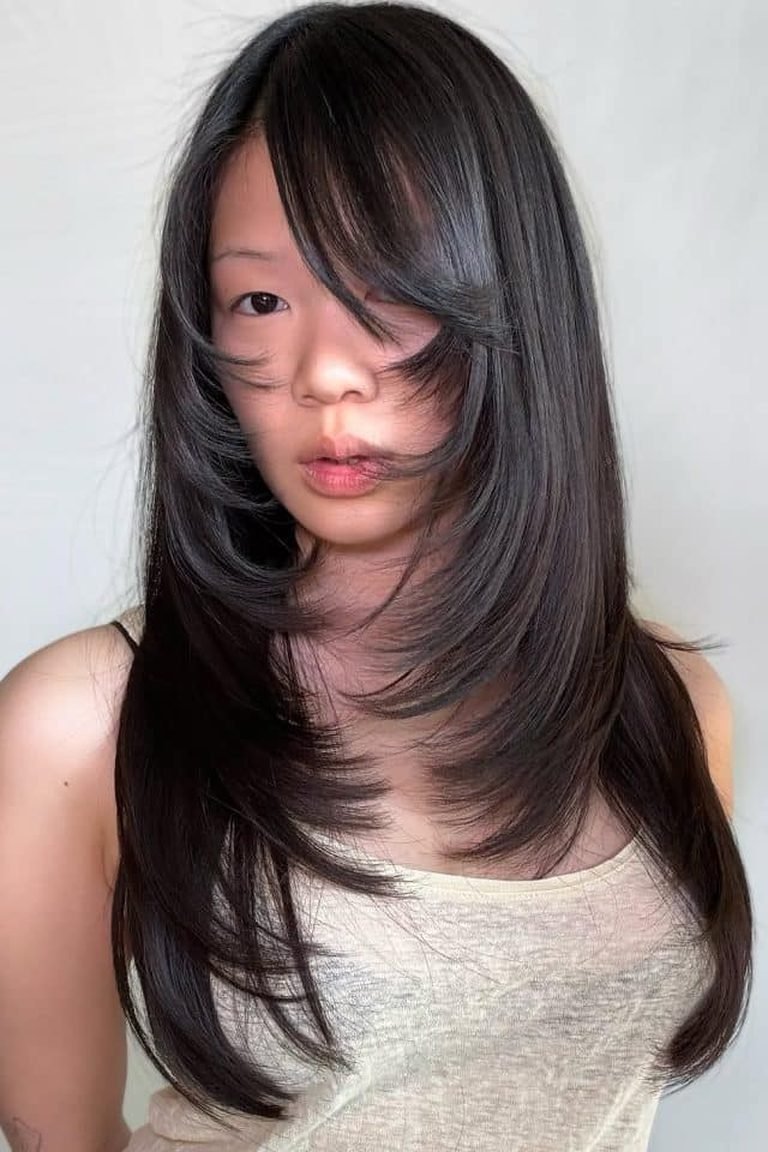
A deep side part with the fringe sweeping across at brow level, feathered at the ends so it blends into the layers. It adds asymmetry and softness at once, and it is the easiest bang option if you are growing out a fringe.
Best for: Round, square and heart face shapes.
Hair type: Straight to wavy, medium density.
Ask your stylist: “Side-swept bangs from a deep side part, ending at brow level — feather the ends into the layers.”
Styling tip: Train the sweep with a velcro roller while you do your makeup; it sets the direction for the day.
8. Hush Cut With Baby Bangs
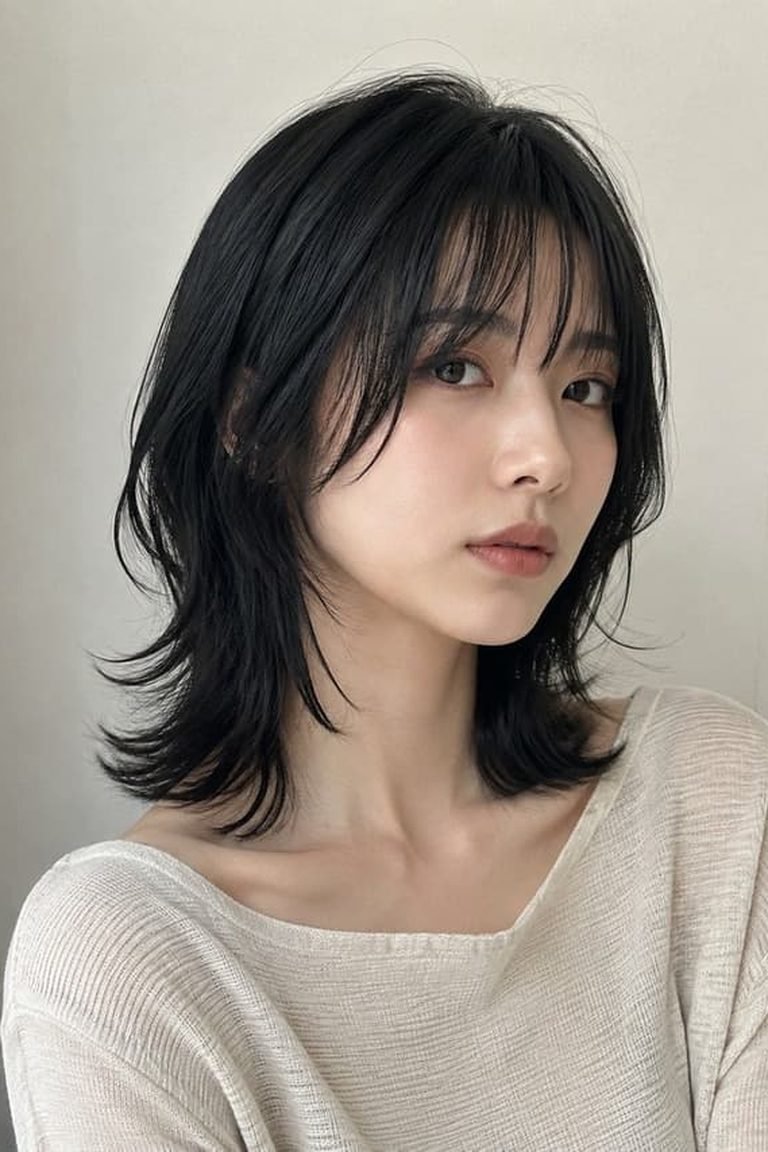
The edgy-soft contrast: baby bangs ending about an inch above the brows, textured rather than blunt, against all that whispery length. It is a fashion-forward pairing that still reads soft because everything below the bangs is feathered.
Best for: Oval and heart face shapes.
Hair type: Straight to wavy, fine to medium.
Ask your stylist: “Textured baby bangs, about an inch above the brows — piecey, not a straight line.”
Styling tip: Keep the baby bangs matte with a touch of dry shampoo; shine makes short bangs look greasy fast.
9. Copper Hush Cut
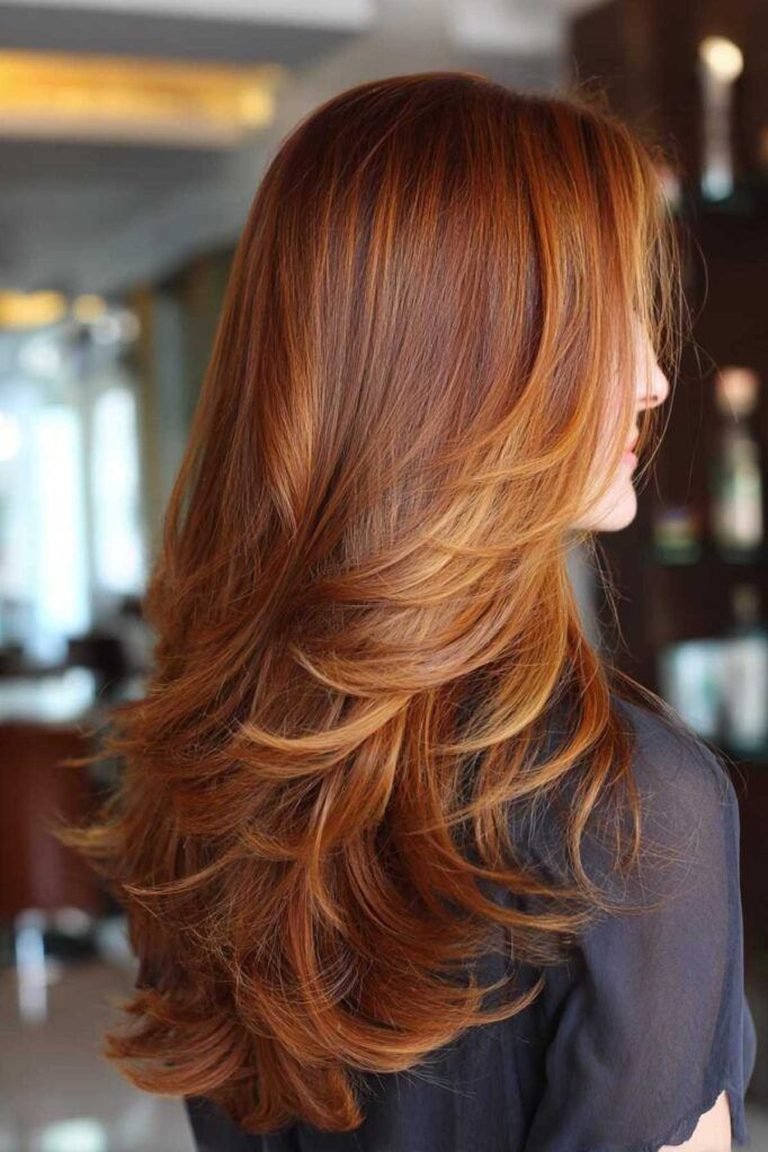
Warm copper poured through feathered layers is a combination made for each other — every layer catches the light at a different angle, so the color looks dimensional without a single highlight. Ask for a copper gloss at the same appointment to seal in the tone.
Best for: Fair to medium skin tones; all face shapes.
Hair type: Straight to wavy, medium density.
Ask your stylist: “A warm copper all-over color with a gloss, then the hush cut on top — feathered layers to show the dimension.”
Styling tip: Wash with lukewarm water and a color-safe shampoo; copper fades fastest with hot water.
10. Brunette Balayage Hush Cut
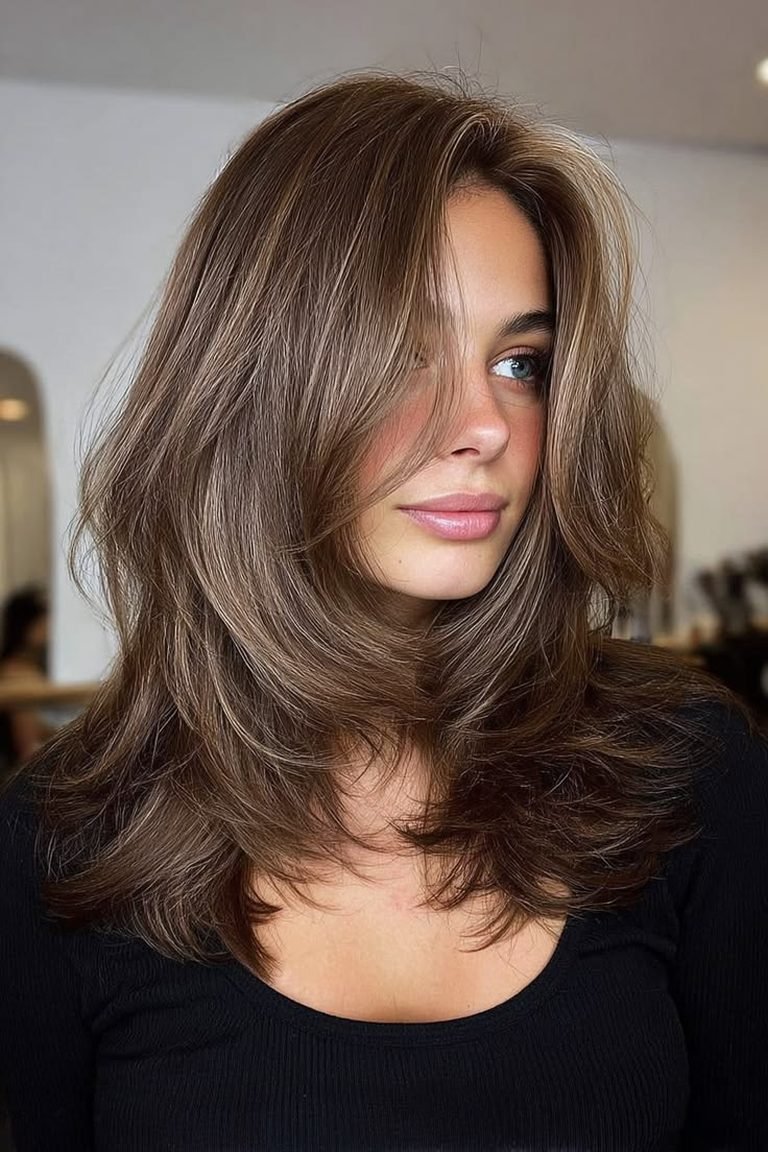
Balayage painted through the mid-lengths so the feathered ends carry the lightest pieces — dimension exactly where the hush cut moves most. On brunettes this is the lowest-commitment way to get that expensive, sun-touched look.
Best for: Medium to deep skin tones; all face shapes.
Hair type: Straight to wavy, medium to thick.
Ask your stylist: “Soft balayage concentrated on the mid-lengths and ends, then feathered hush layers — keep my natural root.”
Styling tip: Loose waves with a flat iron bent at the ends make the balayage pieces pop against the brown base.
11. Jet-Black Hush Cut
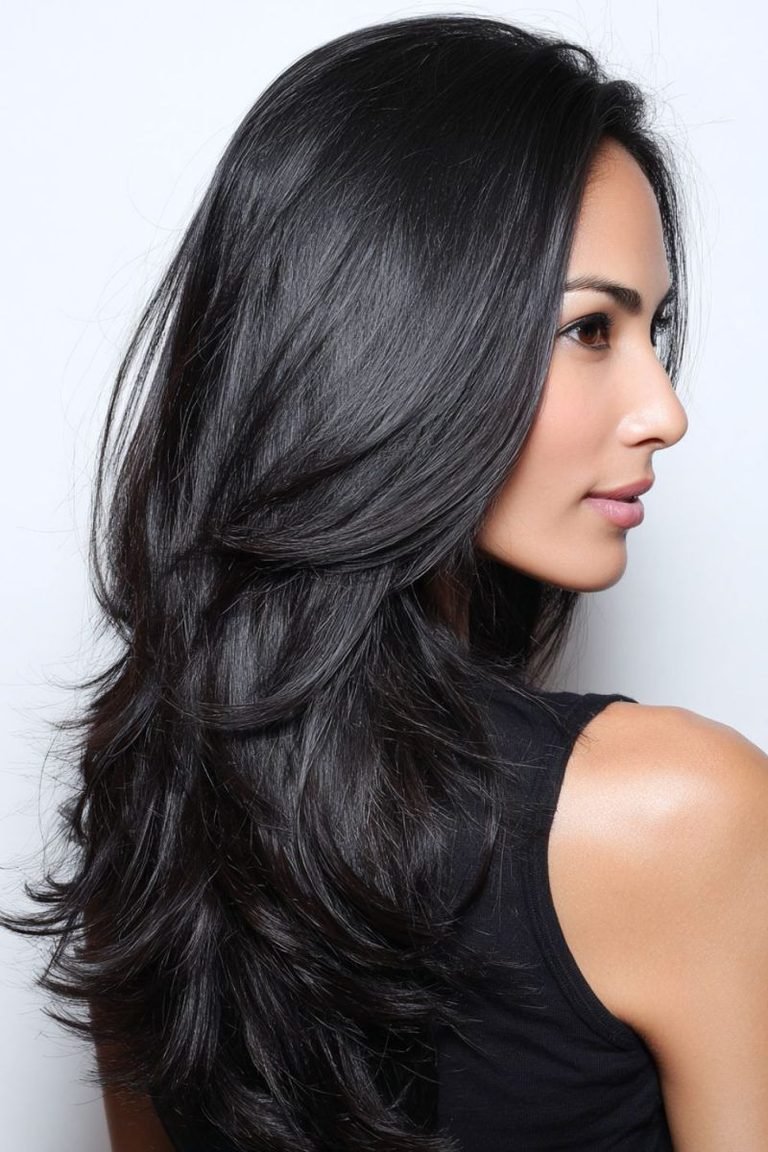
On jet-black hair, the hush cut becomes pure drama — the feathered layers catch light like ribbons while the color stays inky. Dark hair shows every cut line, so the softness of this layering technique looks especially expensive here.
Best for: Oval, heart and square face shapes.
Hair type: Straight to wavy, medium to thick.
Ask your stylist: “Gloss-black color with a hush cut — feathered layers so the shine moves through the lengths.”
Styling tip: A pea-sized drop of shine serum on the mid-lengths only; roots stay matte so the black looks deep, not flat.
12. Auburn Red Hush Cut
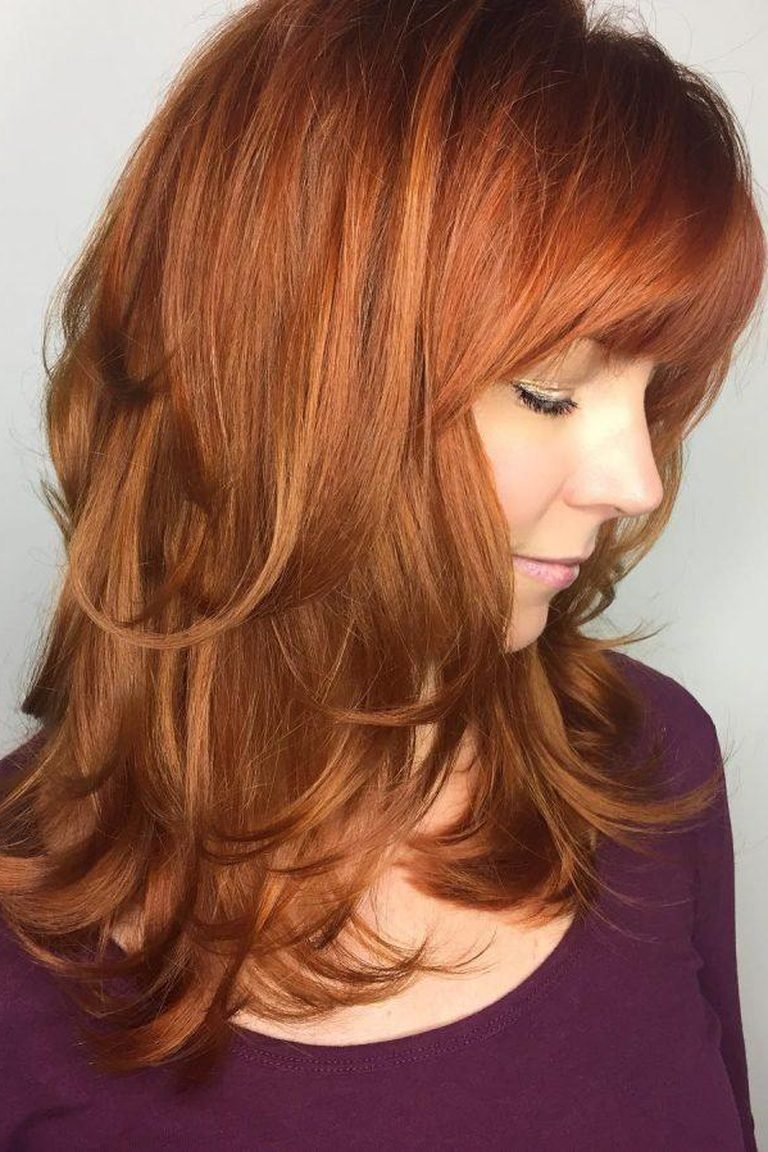
Rich, warm red with feathered ends that keep it romantic instead of fiery. The hush cut’s softness tames red’s intensity — you get the richness without the “just dyed it” sharpness. It is especially striking on medium and long lengths.
Best for: Fair to medium skin tones; all face shapes.
Hair type: Straight to wavy, medium density.
Ask your stylist: “A warm auburn red, then hush layers — feather the ends well so the color looks soft, not blocky.”
Styling tip: A color-depositing conditioner once a week keeps the auburn rich between appointments.
13. Blonde Highlight Hush Cut
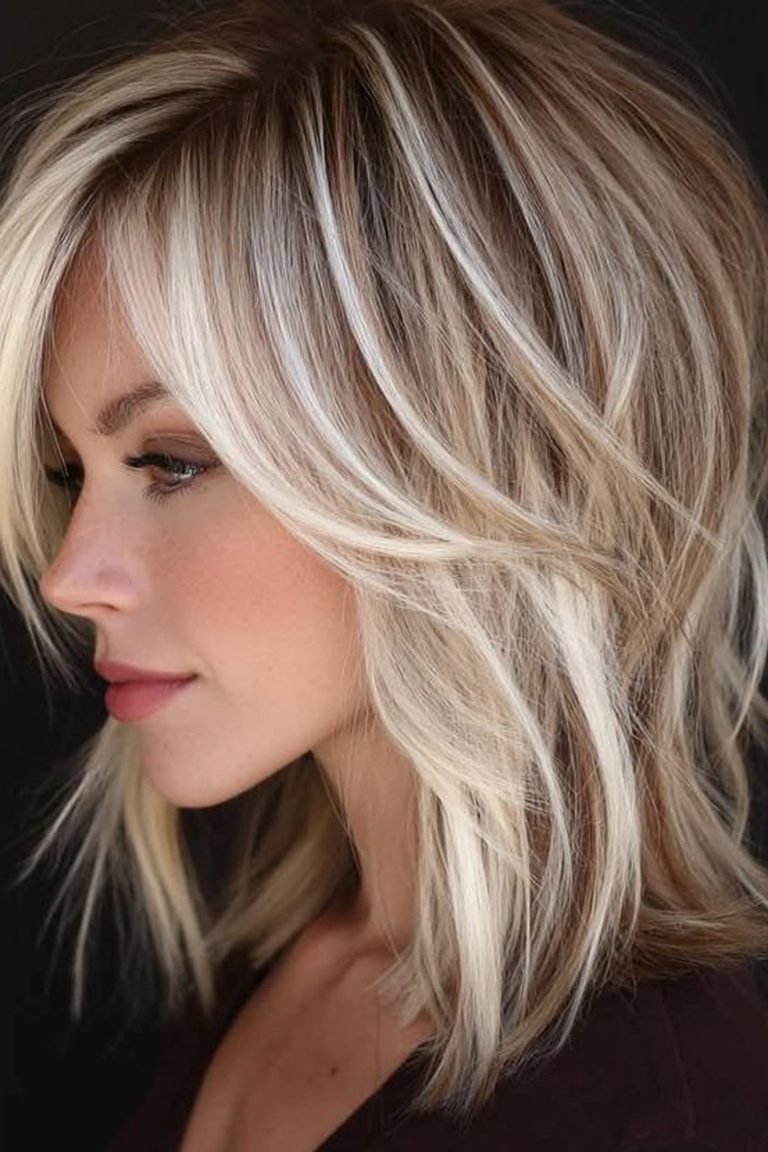
Sun-kissed babylights woven through the top layers, with the feathered ends carrying the brightness. The highlights follow the layering, so the blonde looks painted by the sun instead of the salon — soft regrowth included.
Best for: Fair to medium skin tones; all face shapes.
Hair type: Straight to wavy, fine to medium.
Ask your stylist: “Fine babylights through the top layers, then a hush cut — keep the root shadow for soft grow-out.”
Styling tip: Purple shampoo every third wash keeps the blonde bright without dulling the dimension.
14. Curly Hush Cut
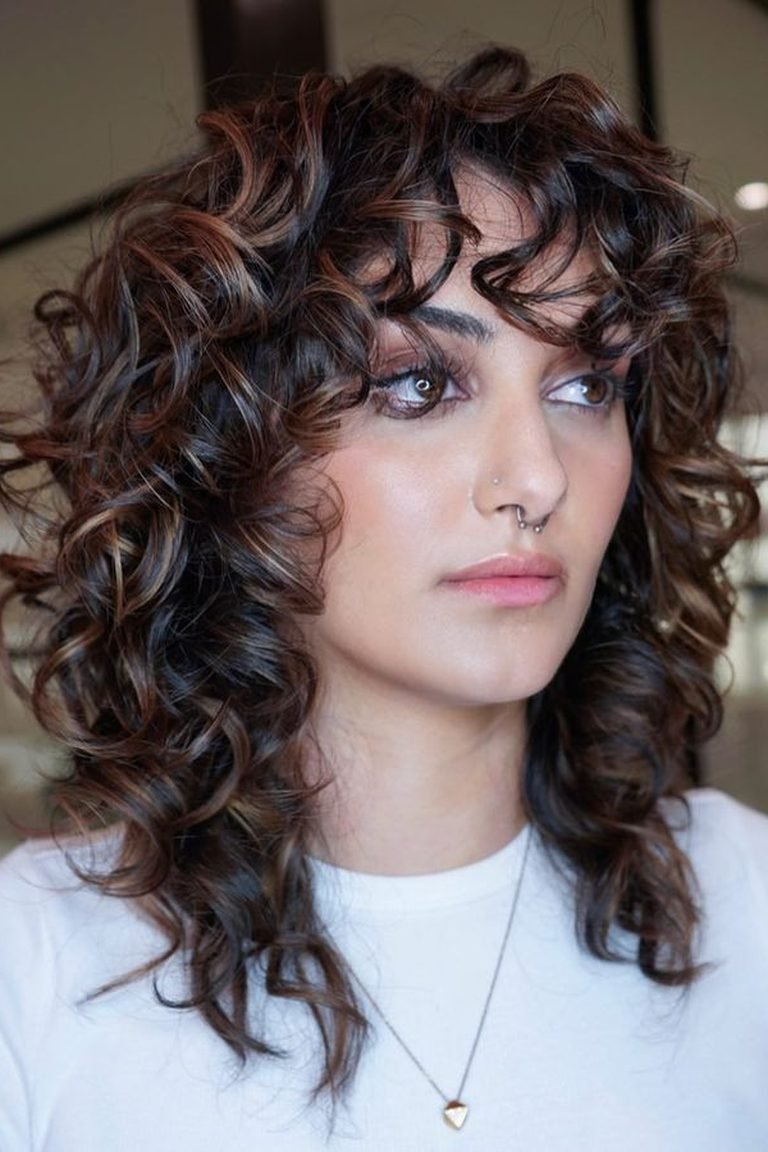
Yes, curls can hush. The trick is cutting dry, curl by curl, with longer layers than the straight version — curls spring up, so the layers are planned for where they land, not where they are cut. Volume stays controlled, the shape stays rounded, and the ends feather instead of forming a triangle. If you love your curls dressed up, these French curl braid hairstyles show how beautifully defined curls pair with soft texture.
Best for: Oval, heart and square face shapes.
Hair type: Curly to coily, medium to thick.
Ask your stylist: “A dry cut, curl by curl — longer hush layers shaped for my curl pattern, no triangle shape.”
Styling tip: Scrunch in a curl cream on soaking-wet hair and diffuse; the layers fall into place as the curls dry.
15. Wavy Hush Cut
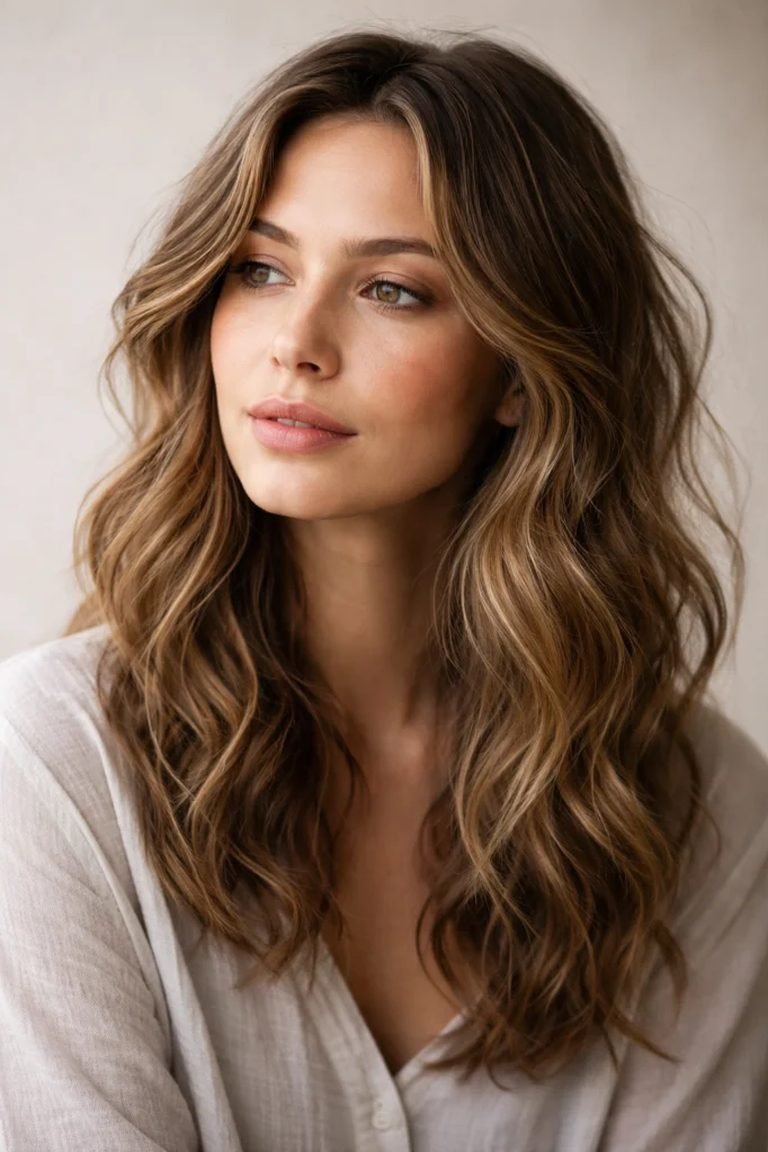
The hush cut’s natural habitat. Natural waves plus feathered layers equals the effortless bend everyone is chasing — this is the version that genuinely air-dries well. The layers break up the wave pattern so it looks tousled, never puffy.
Best for: All face shapes.
Hair type: Wavy, fine to medium.
Ask your stylist: “Hush layers cut to work with my natural wave — I want to air-dry this, so keep the ends feathered.”
Styling tip: Scrunch a salt-free texture cream into damp hair and leave it alone; touching it while it dries creates frizz.
16. Sleek Straight Hush Cut
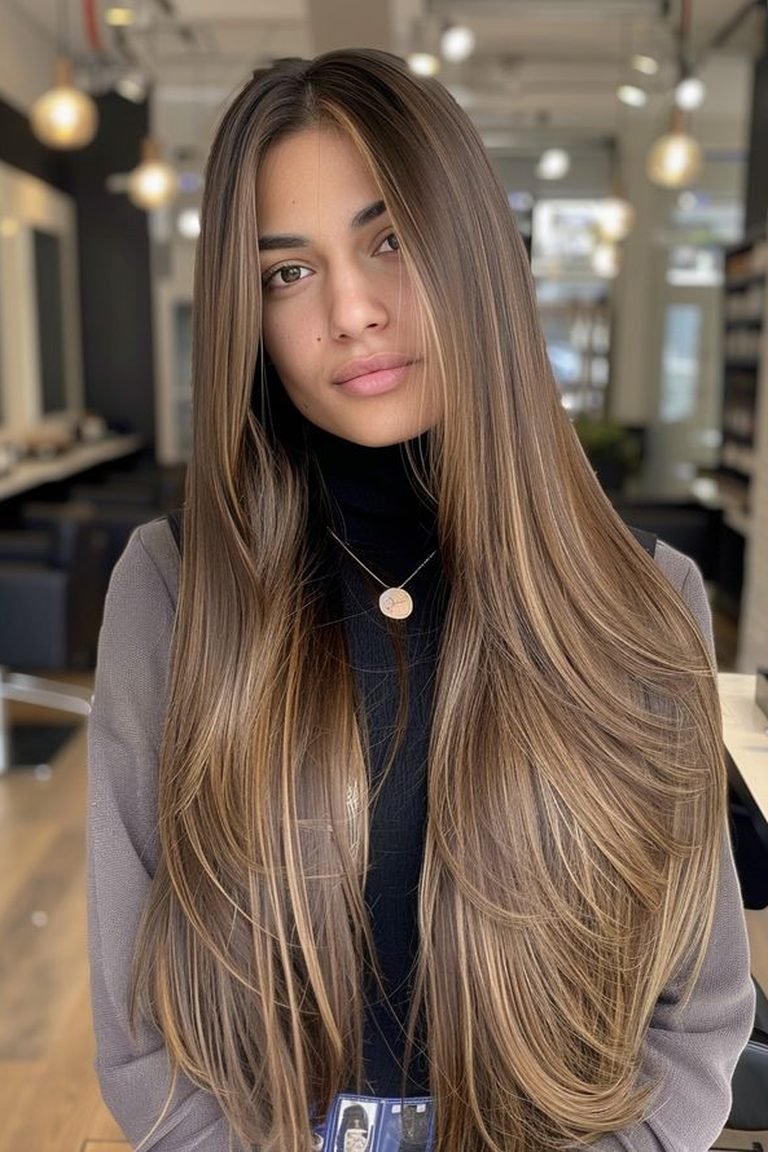
Smooth from roots to mid-lengths with the feathering saved for the ends — polished, not puffy. On straight hair the hush cut proves it is not just a wavy-hair cut: the tapered ends keep long straight hair from looking like a curtain.
Best for: Oval, heart and long face shapes.
Hair type: Straight, fine to medium.
Ask your stylist: “Sleek hush cut — smooth through the lengths, feathered only at the ends.”
Styling tip: Flat-iron in sections and bend the very ends outward a touch; perfectly straight ends hide the feathering.
17. Hush Cut for Fine Hair
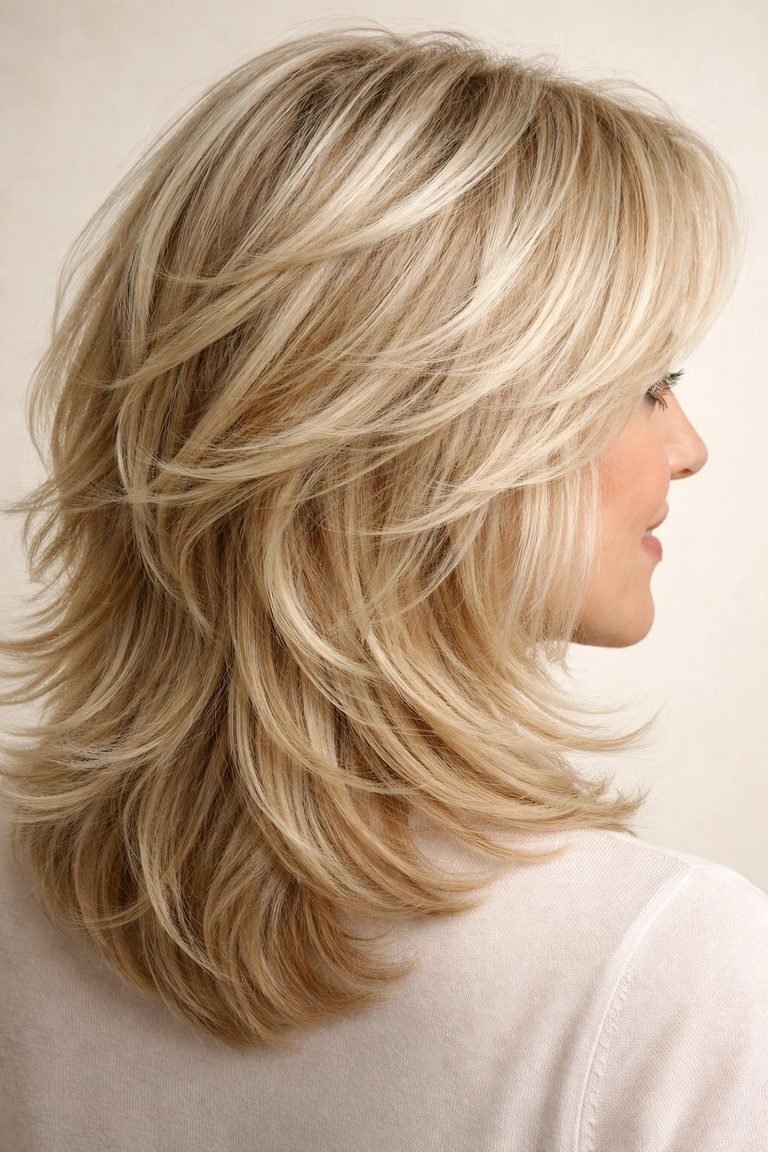
Fine hair’s best friend in the layered family. The layers are cut inside the hair — invisible layering that builds airy volume at the roots without thinning the perimeter, so the ends still look full. No wispy see-through ends here.
Best for: Oval, heart and long face shapes.
Hair type: Fine, straight to wavy.
Ask your stylist: “Hush layers for fine hair — internal layers for volume, but keep my perimeter thick and full.”
Styling tip: Root-lifting mousse on damp roots, blow-dried upside down; fine hair gets its volume at the root, not the ends.
18. Hush Cut for Thick Hair
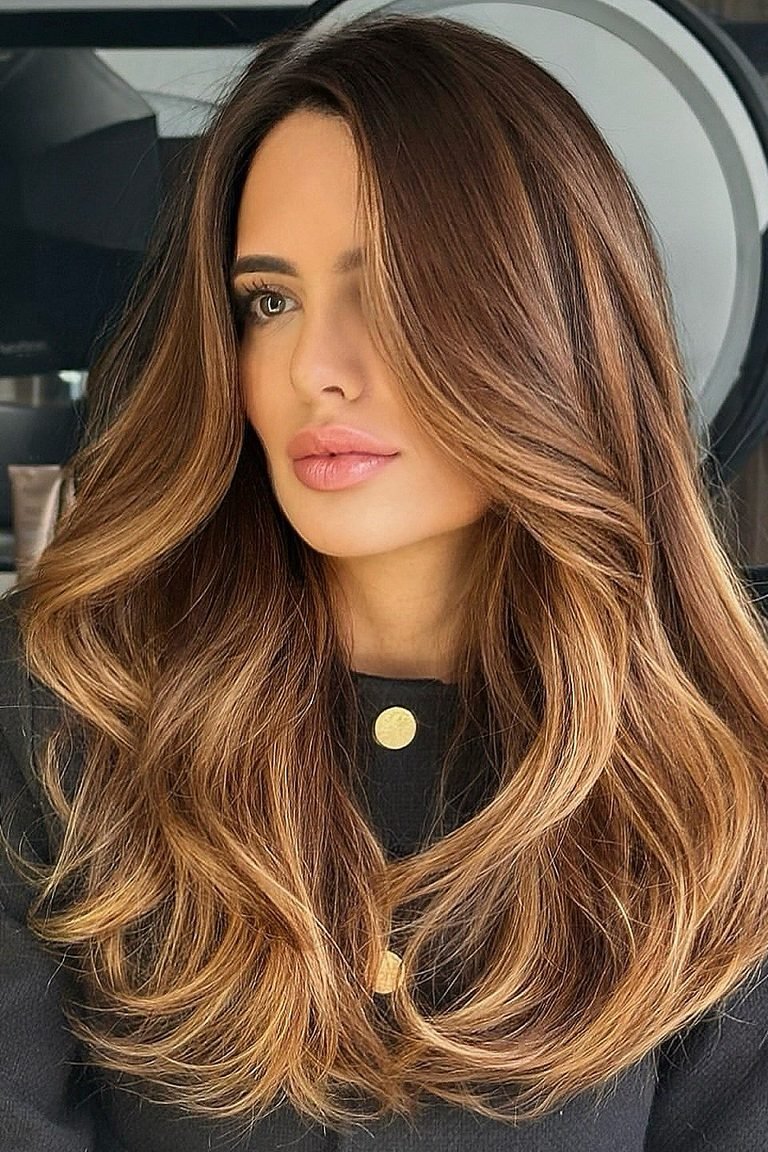
Thick hair gets the opposite treatment: interior weight is carved out with thinning shears and deep point-cutting so the bulk disappears but the length stays. The result moves like medium-density hair — swingy instead of heavy — and takes half the time to blow-dry.
Best for: All face shapes.
Hair type: Thick, straight to wavy.
Ask your stylist: “Remove the interior weight with thinning shears, then hush layers — I want movement, not bulk.”
Styling tip: A smoothing cream on the mid-lengths before blow-drying tames the volume the weight removal releases.
19. Hush Cut for Round Faces
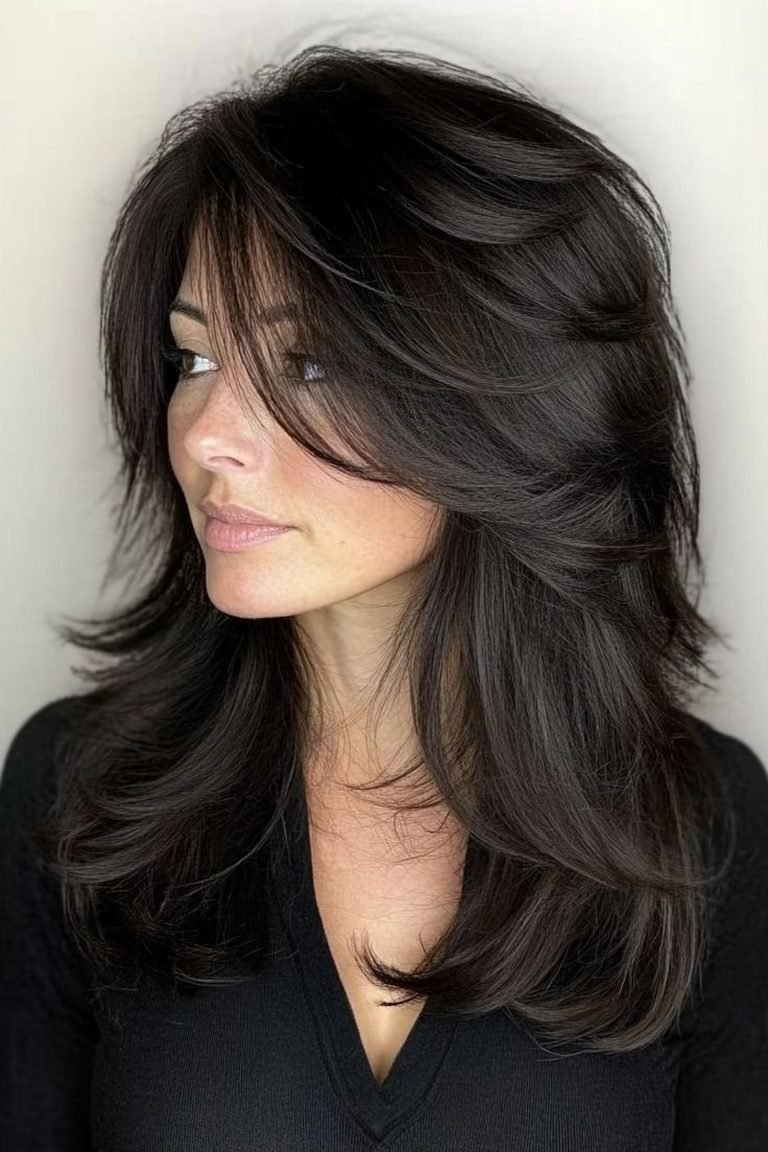
The round-face formula: the longest front layers start below the chin, drawing the eye down and elongating the face, with no volume sitting at cheek level. The feathered ends keep everything soft — elongation without harsh lines.
Best for: Round and full face shapes.
Hair type: Straight to wavy, medium density.
Ask your stylist: “Long front layers starting below my chin — keep the volume away from my cheeks.”
Styling tip: A center or deep side part with the front pieces falling forward slims the face instantly.
20. Hush Cut for Long Faces
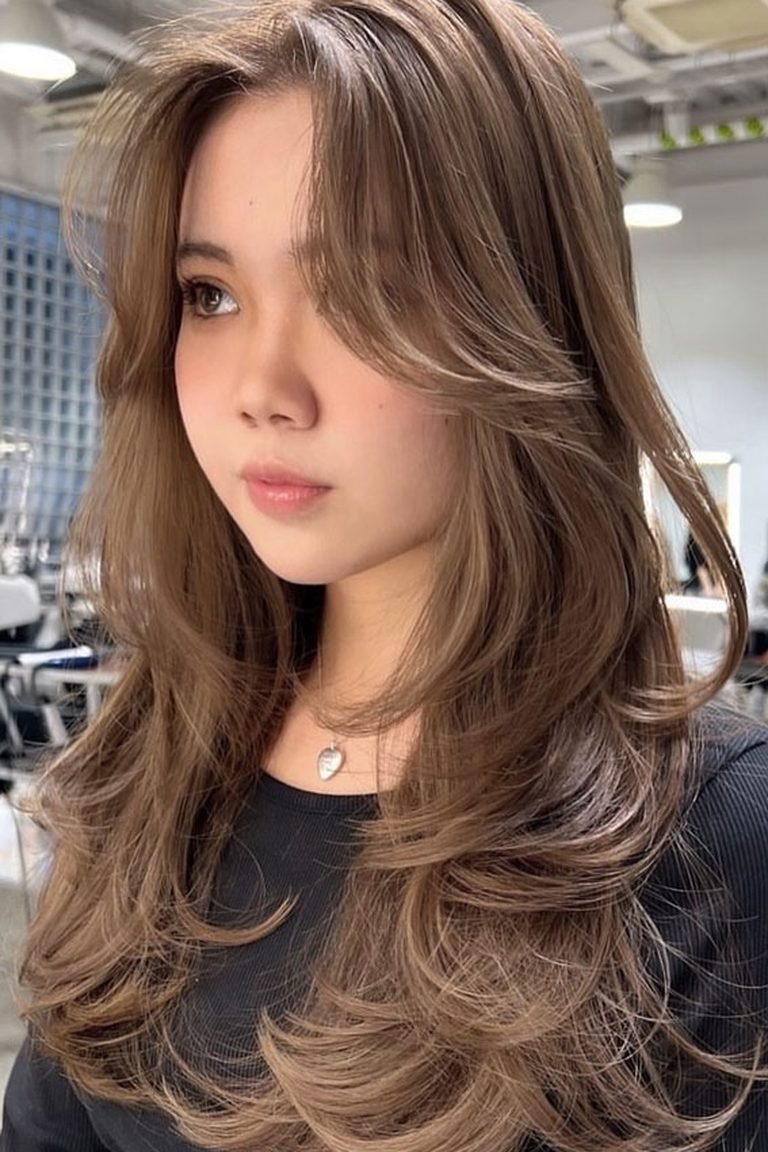
The mirror image of the round-face version: here you want width, so the shortest layers sit at cheek level to add fullness across the face, paired with bangs to shorten the forehead. The face reads balanced instead of long.
Best for: Long and oblong face shapes.
Hair type: Straight to wavy, fine to medium.
Ask your stylist: “Shorter layers at cheek level for width, plus bangs — soften the length of my face.”
Styling tip: Flip the cheek-level layers outward with a round brush; the outward flip builds the width this face shape needs.
21. Hush Cut for Glasses Wearers
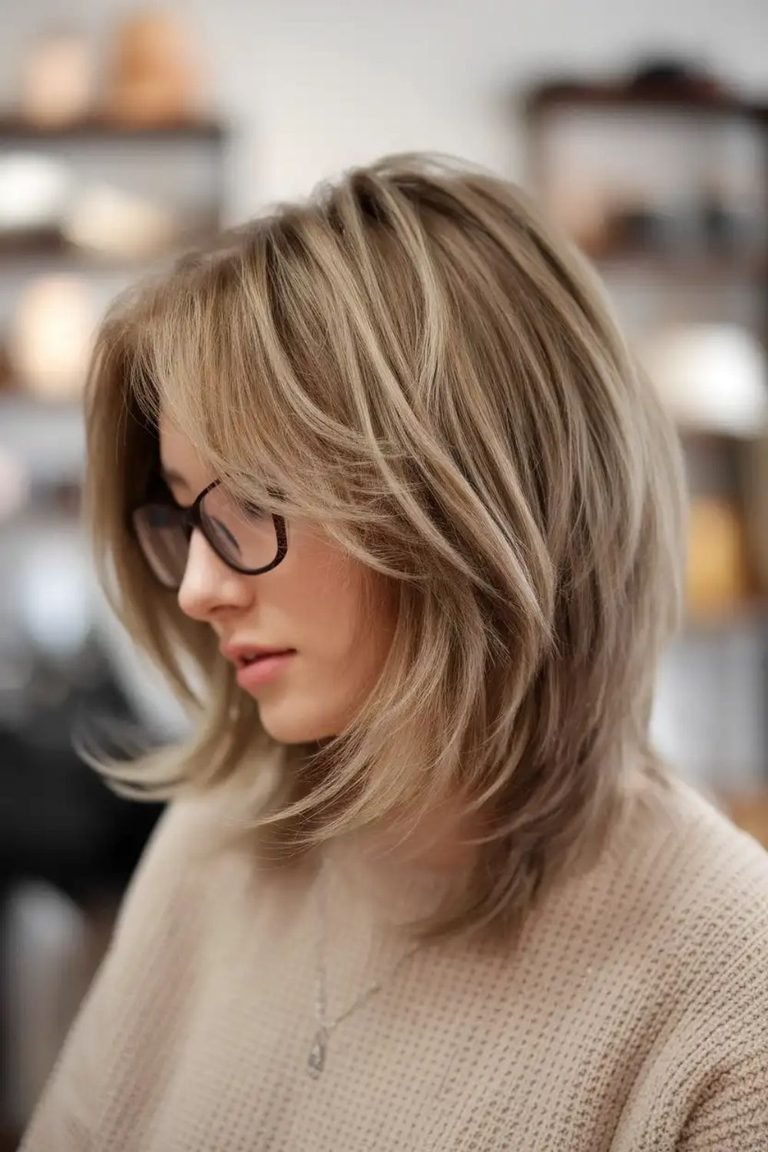
Glasses change the layering math: the longest face-framing piece should end just below your frames so hair and glasses frame the face together instead of competing. Keep the hair behind the ears slim, since that is where the arms sit — bulk there pushes frames forward.
Best for: All face shapes.
Hair type: Straight to wavy, fine to medium.
Ask your stylist: “Wear my glasses to the appointment — cut the longest front layer to fall just below my frames, slim behind the ears.”
Styling tip: Tuck hair behind the ears only after it is fully dry; damp tucking trains a dent where the arms sit.
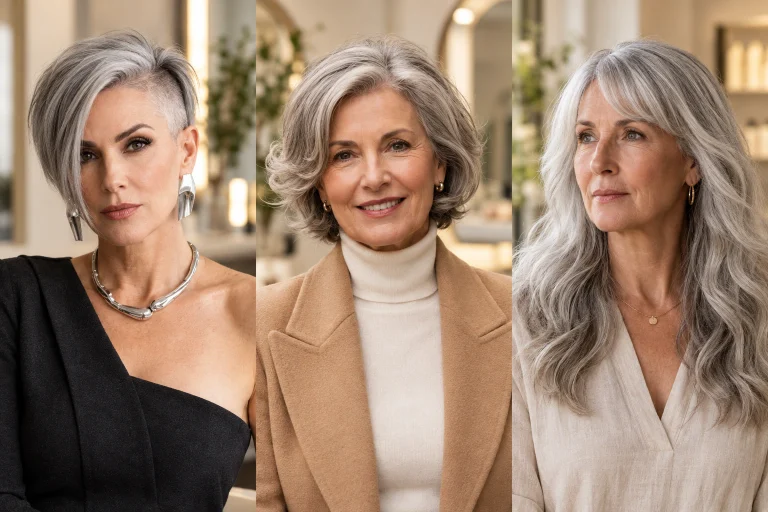
22. Silver Hush Cut
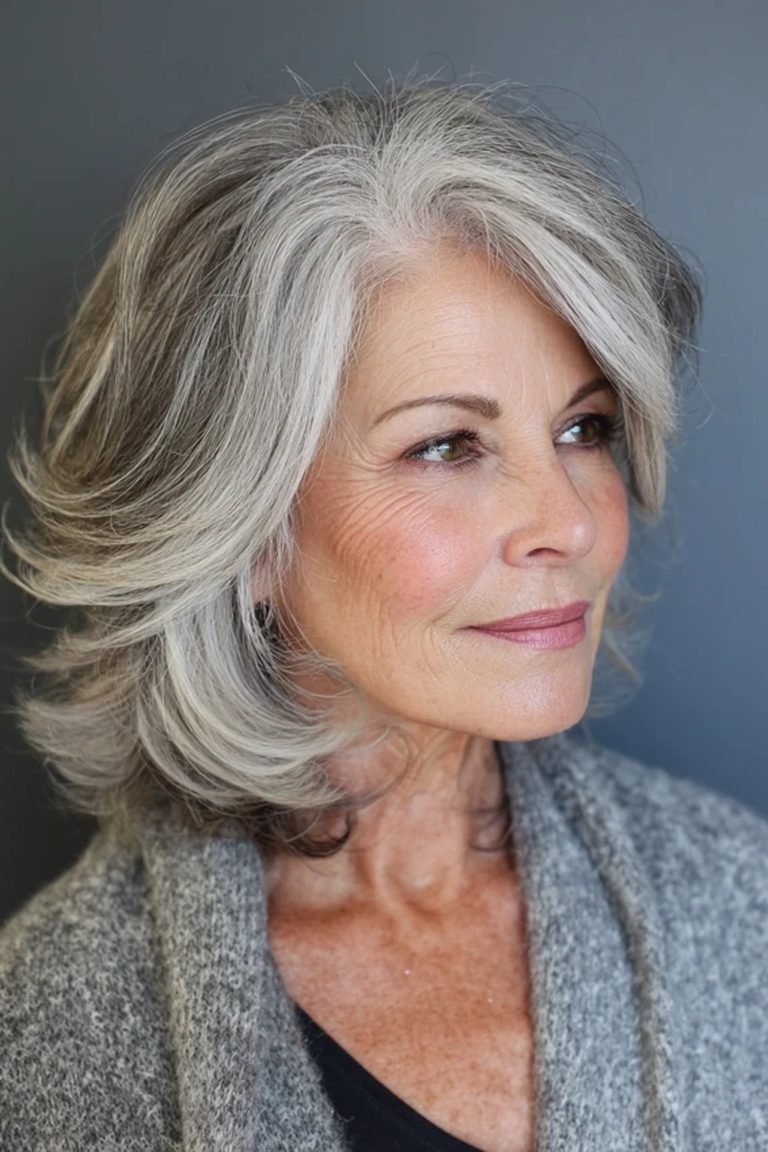
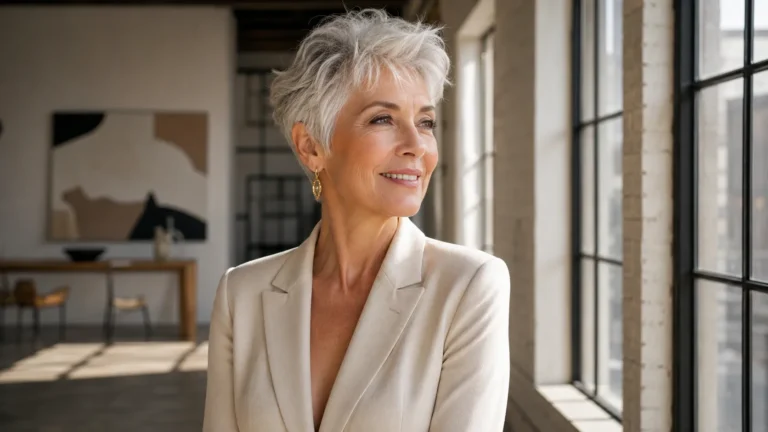
Silver hair and the hush cut are a natural match — the feathered layers keep gray looking modern and soft instead of severe, and the movement shows off silver’s dimension. Mature readers, this cut was practically made for you: it is flattering, low-maintenance, and never reads “trying too hard.”
Best for: All face shapes, all ages.
Hair type: Straight to wavy, fine to medium.
Ask your stylist: “A hush cut that works with my silver — soft layers, nothing harsh around the face.”
Styling tip: Purple shampoo once a week keeps silver bright; dull gray ages the cut more than the length does.
23. Hush Cut Ponytail
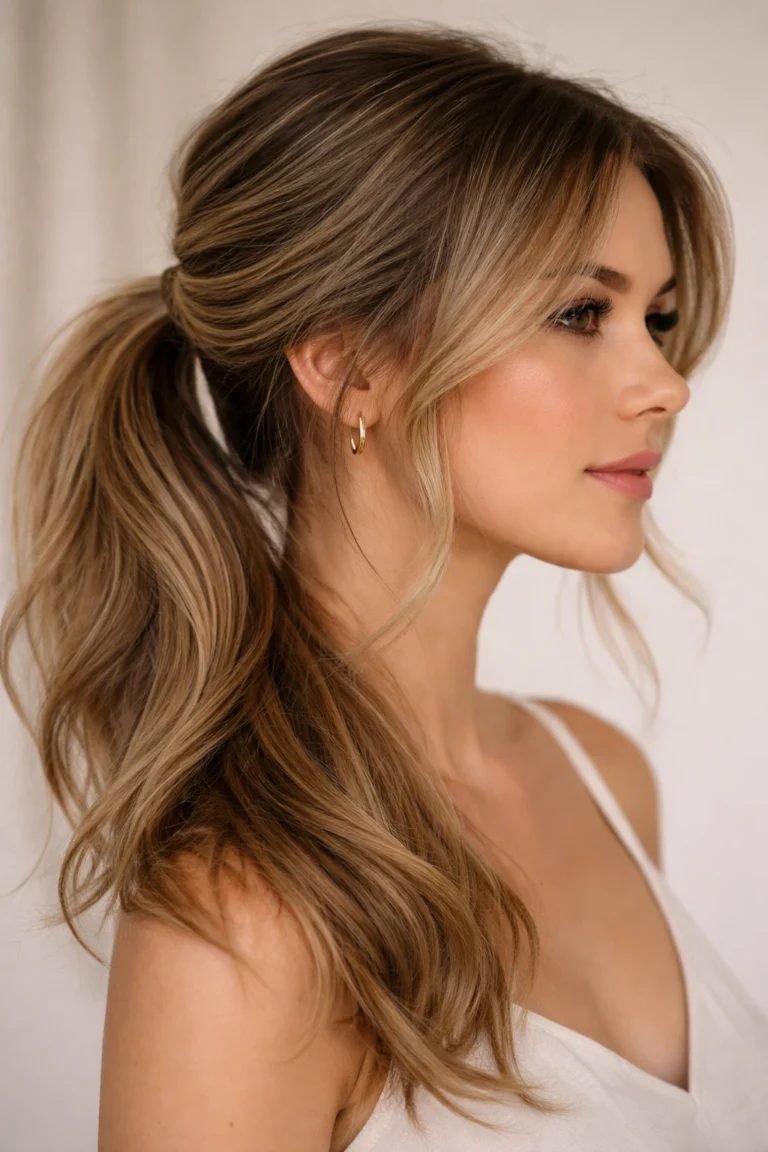
Proof the hush cut is not a down-only cut: pulled into a ponytail, the face-framing layers fall out on their own and frame the face like they were styled to. Leave two front pieces out deliberately and it looks intentional, not messy.
Best for: Oval, heart and square face shapes.
Hair type: Straight to wavy, medium density.
Ask your stylist: “Cut the face-framing layers so they fall out nicely in a ponytail — I wear it up a lot.”
Styling tip: Secure at the crown, wrap a strand of hair around the elastic, and pull the front pieces loose with your fingers.
24. Hush Cut Half-Up Style
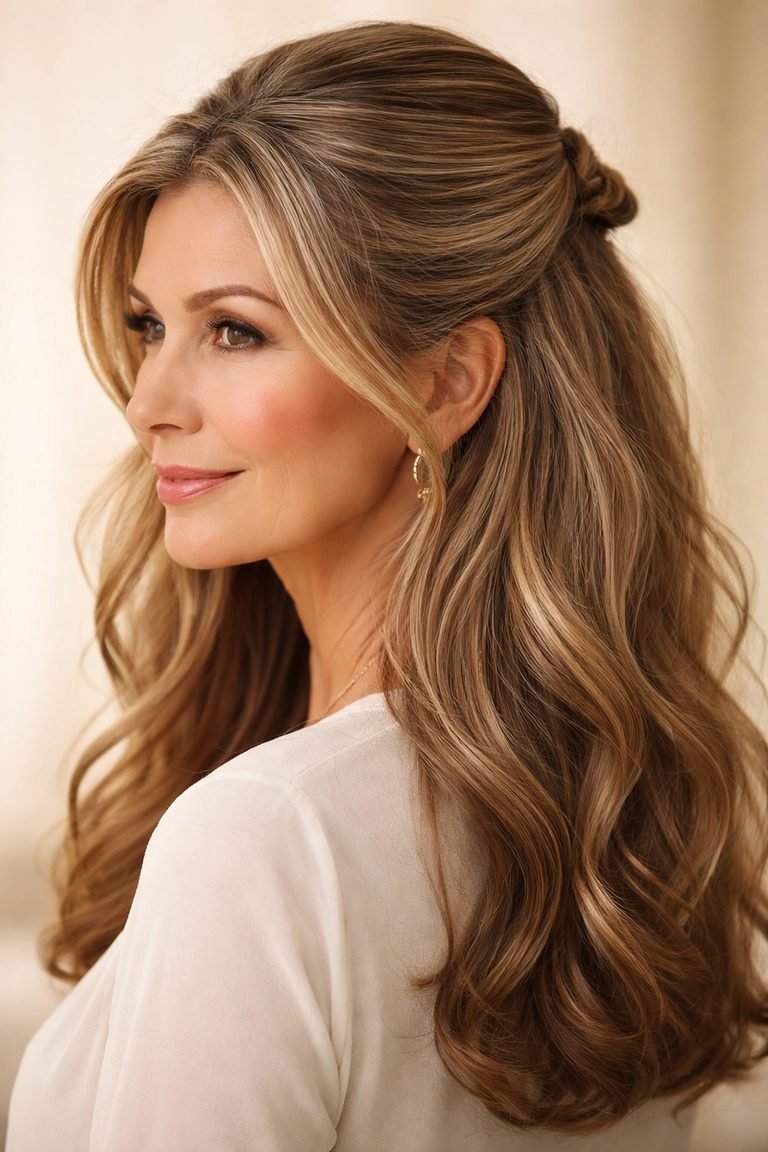
Twist two front sections back and pin them, and the hush layers do the rest — the pinned-back top shows off the cut’s shape while the loose lengths move. Pull a few face-framing wisps free at the end; the undone pieces are what make it pretty.
Best for: All face shapes.
Hair type: Straight to wavy, medium density.
Ask your stylist: “Keep enough front length for half-up styles — the face-framing pieces should reach back comfortably.”
Styling tip: Tease the crown lightly before pinning; the hush cut’s softness can fall flat on top without it.
25. Office-Polished Hush Cut
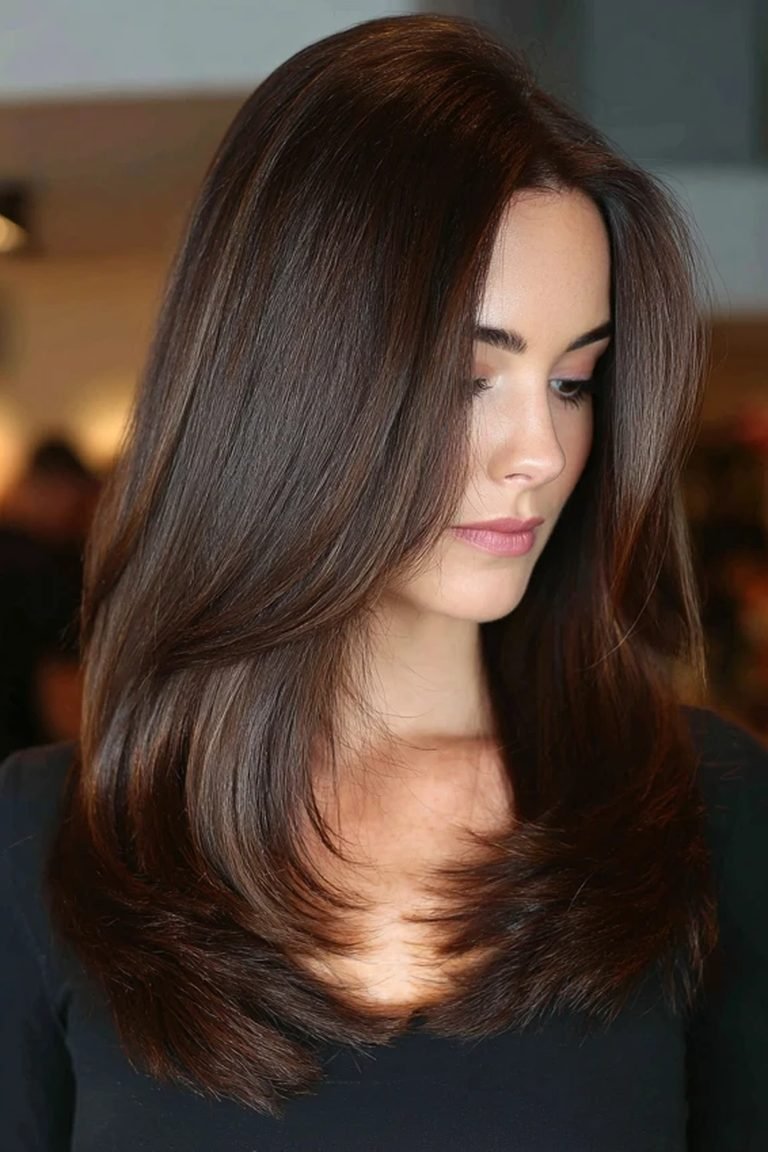
The 9-to-5 version: a smooth paddle-brush blowout that keeps the feathering neat, one side tucked behind the ear. It reads professional and put-together while the layers keep it from looking stiff — the rare cut that works for the boardroom and the weekend.
Best for: Oval, heart and long face shapes.
Hair type: Straight to wavy, fine to medium.
Ask your stylist: “Hush layers I can blow out smooth for work — keep the ends neat, not piecey.”
Styling tip: Blow-dry with a paddle brush in downward sections, then a light-hold spray; shine reads as polish in office lighting.
26. Casual Everyday Hush Cut
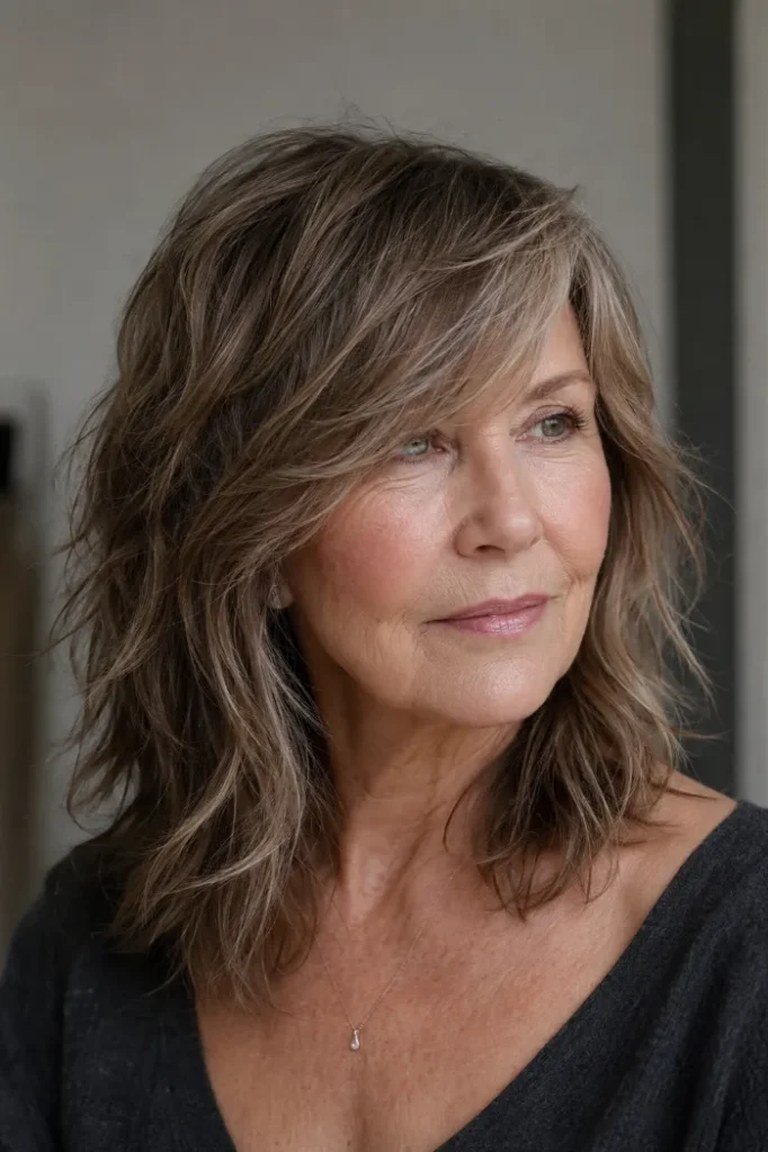
The second-day version, and honestly the best one. Dry shampoo at the roots, ends left exactly alone, and the feathered layers look better slightly lived-in than freshly washed. This is the low-effort reality the TikTok videos promise.
Best for: All face shapes.
Hair type: Straight to wavy, all densities.
Ask your stylist: “I want to wash twice a week — cut it so the layers look good on day two and three.”
Styling tip: Spray dry shampoo at the roots the night before; it absorbs oil while you sleep and you wake up styled.
27. Party-Ready Hush Cut
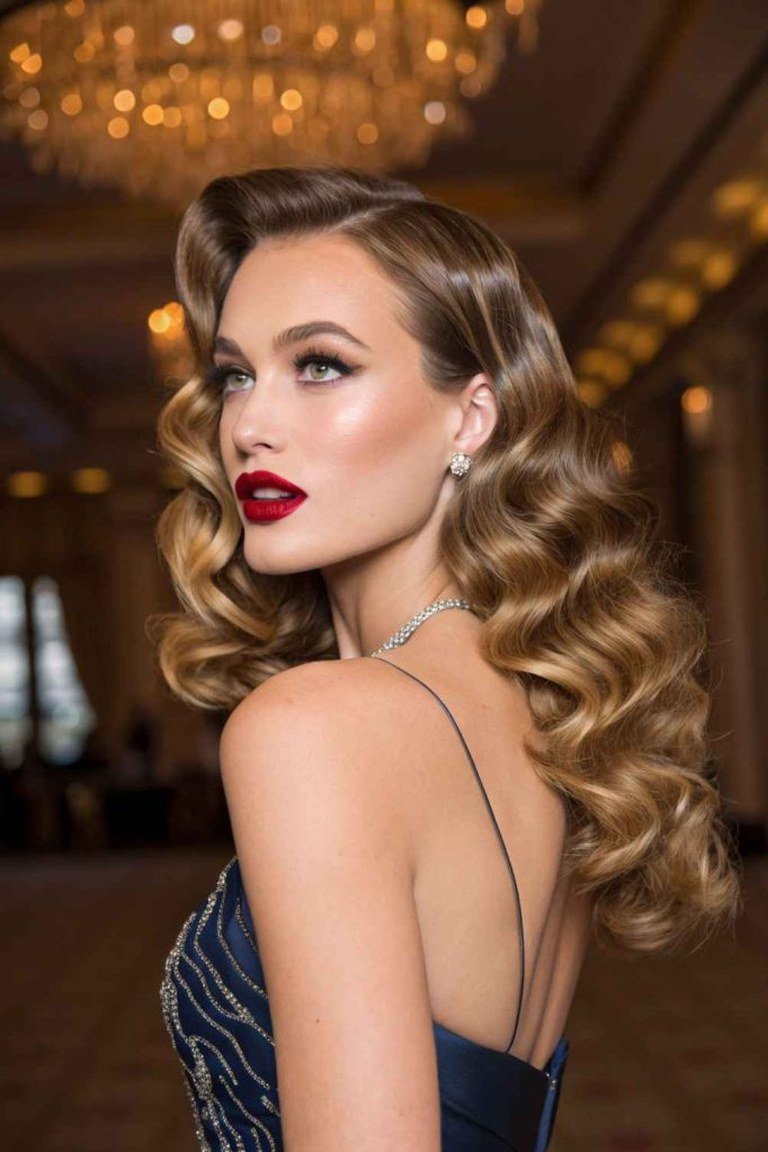
Evening calls for the hush cut dressed up: soft waves through the layers, alternating curl directions so they do not clump into ringlets, finished with shine spray. The feathered ends catch the light as you move — it photographs beautifully.
Best for: All face shapes.
Hair type: Straight to wavy, medium density.
Ask your stylist: “Hush layers that hold a wave for evenings out — enough texture for the curls to grip.”
Styling tip: Use a 1.25-inch iron, alternate the curl direction every section, and brush through once for softness.
28. Winter-Ready Hush Cut
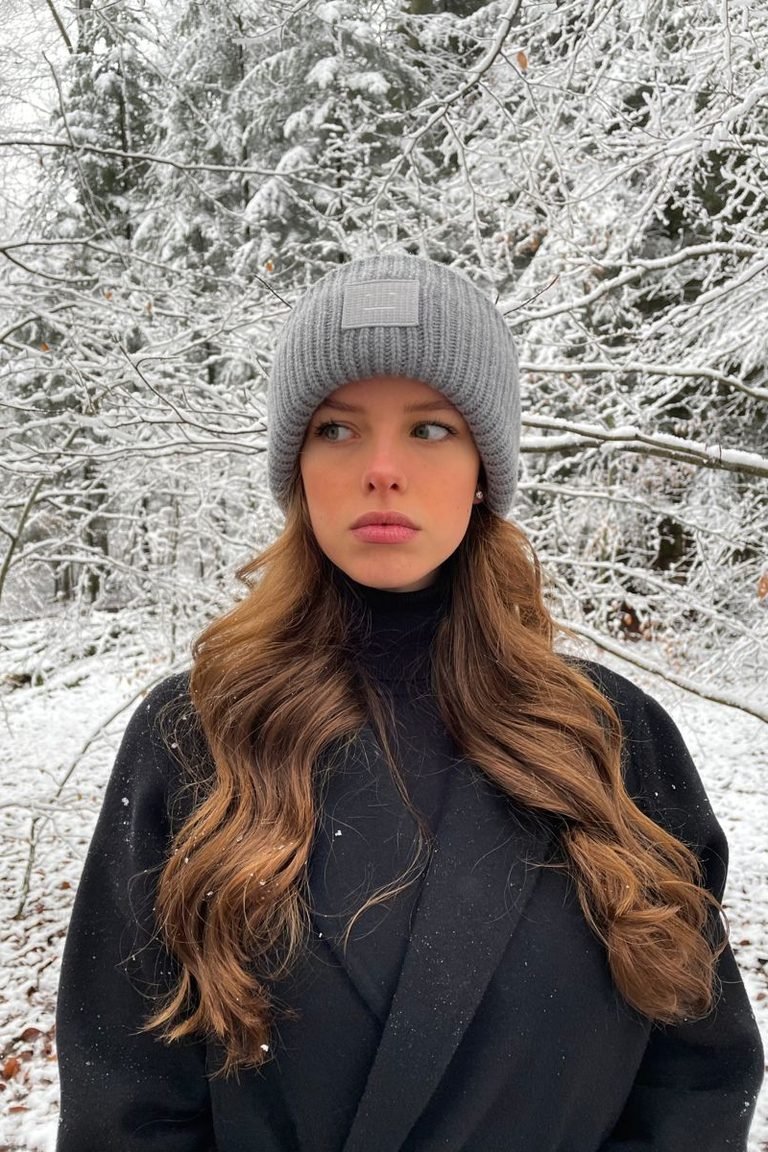
Winter is the hush cut’s hardest season — static, hat hair, dry ends. The fix is a routine, not a different cut: anti-frizz serum on the ends, a loose (not tight) beanie, and a quick bend of the front pieces with a straightener after the hat comes off to revive the shape.
Best for: All face shapes.
Hair type: Straight to wavy, fine to medium.
Ask your stylist: “Keep the ends healthy going into winter — a dusting trim and layers that survive hat hair.”
Styling tip: Run a dryer sheet over the lengths to kill static instantly; keep one in your bag all winter.
29. Hush Cut Grow-Out
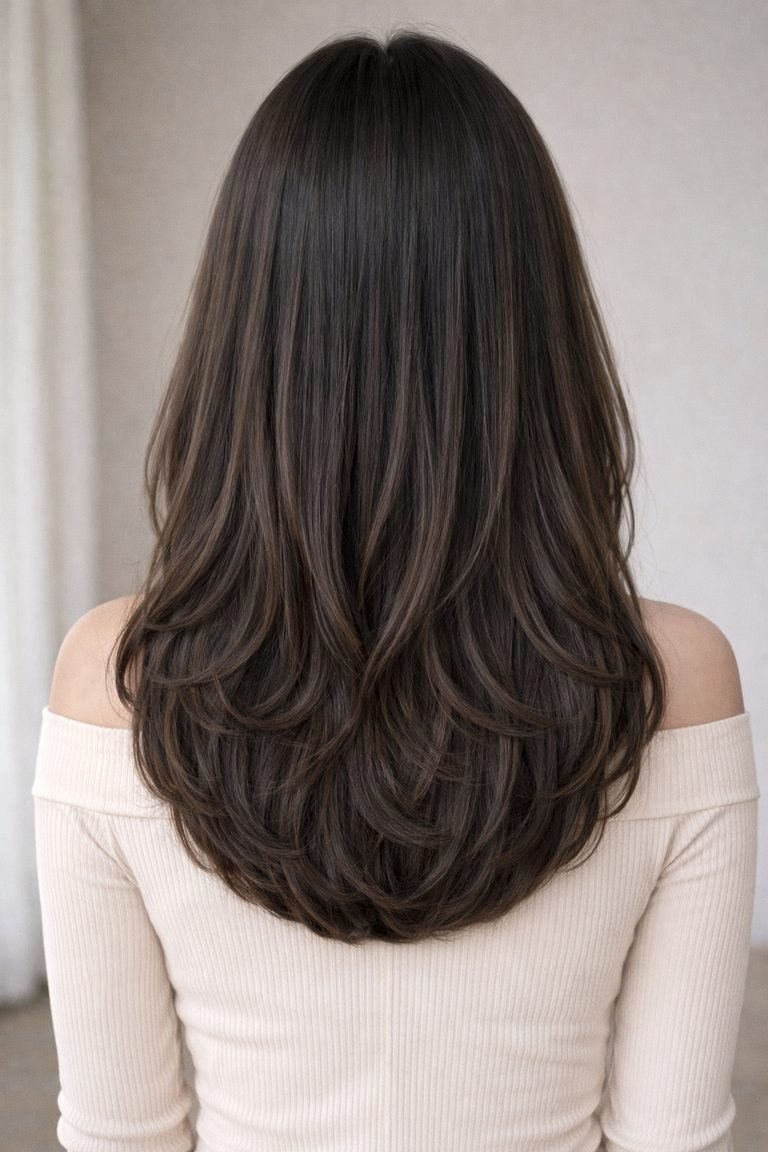
Three months in, the hush cut does not go shaggy — it goes longer and softer, and the in-between stage looks intentional if you style it that way. Trim just the front face-framing pieces to keep the shape around your face while the back catches up.
Best for: All face shapes.
Hair type: Straight to wavy, all densities.
Ask your stylist: “Just clean up the front pieces — I am growing the hush cut out, keep the back growing.”
Styling tip: A deep side part refreshes a grown-out cut instantly; it redistributes the volume that settled.
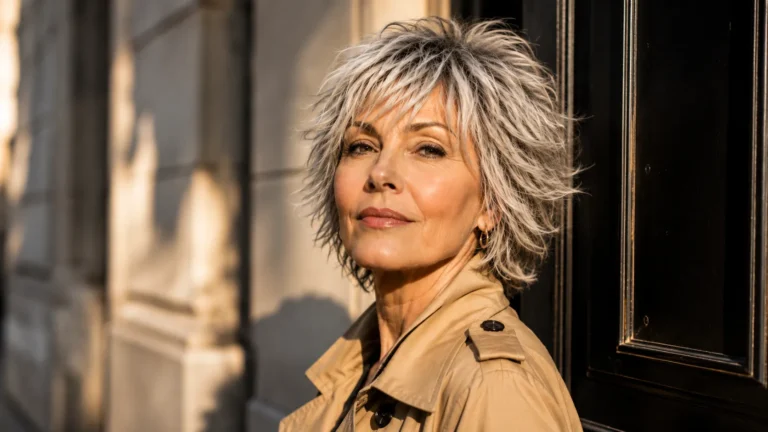
30. Hush-Wolf Hybrid
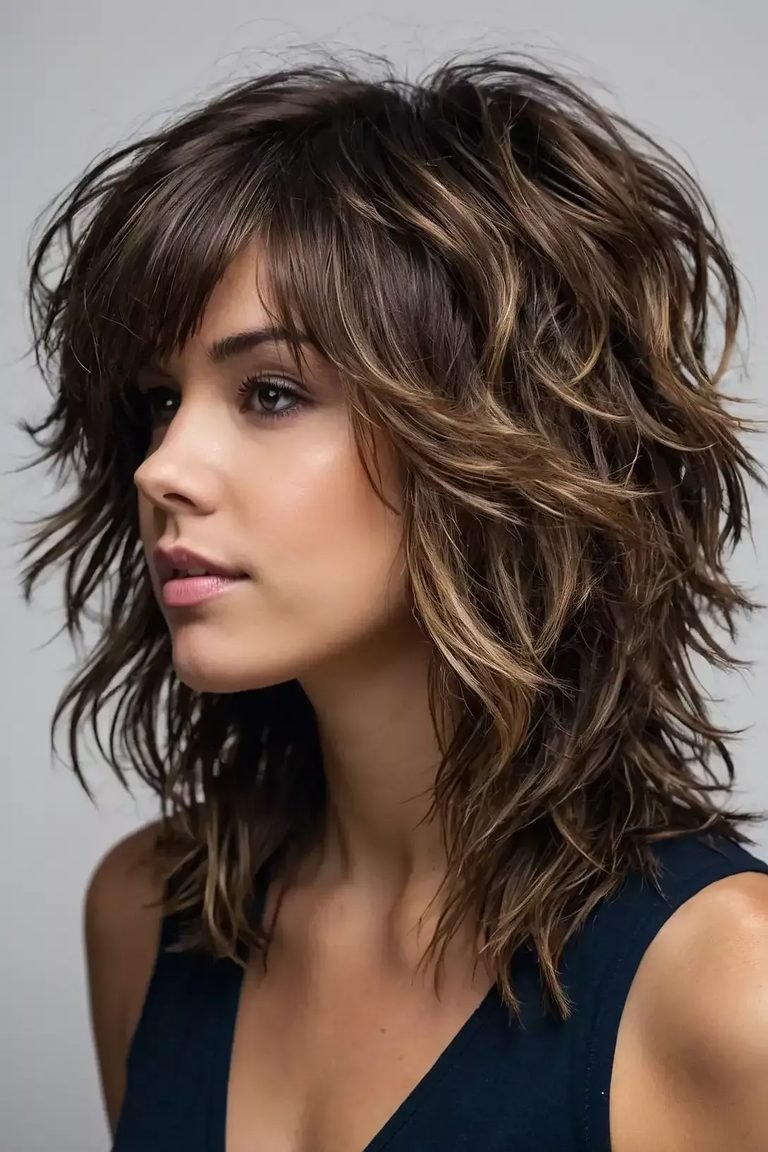
For the bold: a hush cut with a whisper of wolf — slightly shorter, choppier layers at the crown for edge, melting into the hush cut’s soft feathered ends. You get the wolf cut’s cool factor with the hush cut’s wearability. Not for the faint of heart, but unforgettable.
Best for: Oval and heart face shapes.
Hair type: Straight to wavy, medium to thick.
Ask your stylist: “Hush cut base with a touch of wolf at the crown — choppier on top, soft at the ends. Not a full wolf cut.”
Styling tip: Texture spray scrunched into the crown layers brings out the choppy-wolf side on demand.
How to Style a Hush Cut in 5 Minutes
This is the daily routine that keeps the hush cut looking like the photos. Start with heat protectant on damp hair, then work a golf-ball of mousse into the roots for lift. Blow-dry with a round brush, flicking the ends outward on the last pass — that outward flick is what shows the feathering. Bend curtain bangs forward and away from the face so they fall into their swoop. Finish with a light texture spray, not hairspray, so the layers keep moving.
Winter static fix: smooth a drop of anti-frizz serum over the lengths, or run a dryer sheet over your hair — it kills static on contact. Humidity note: on damp days, swap the mousse for an anti-humidity cream and let the cut do what it wants; the hush cut’s softness means frizz reads as texture, not mess.
Hush Cut Maintenance and Grow-Out
Book a trim every 8 to 10 weeks — just a dusting of the ends and a refresh of the face-framing pieces. Because the ends are feathered rather than blunt, the cut grows out softly instead of hitting an awkward stage; the layers simply get longer and blend further. If you decide to grow it into long layers, let the top grow untouched and have your stylist trim only the bottom every other visit until the lengths catch up. Most hush cuts transition into beautiful long layered hair with zero dramatic in-between phase.
FAQs
Is a hush cut good for thin or fine hair?
Yes — it is one of the best layered cuts for fine hair. The secret is invisible interior layering: layers cut inside the hair that build airy volume at the roots without thinning the perimeter, so the ends still look full rather than wispy. Tell your stylist to keep the outline thick and feather only the interior. With root-lifting mousse and an upside-down blow-dry, fine hair gets genuine body from this cut, and the feathered ends never look stringy the way over-layered fine hair can.
Does a hush cut suit round faces?
It does, with one adjustment: keep the longest front layers starting below the chin so the eye travels down and the face reads longer. Avoid volume sitting at cheek level, which widens a round face, and pair the cut with a center or deep side part. The feathered ends keep everything soft, so you get elongation without any harsh contouring lines. Round faces should skip the cheek-level short layers that flatter long faces — same cut, different layer placement.
How is a hush cut different from a wolf cut?
The wolf cut is the hush cut’s louder sibling. Both have lots of layers, but the wolf cut piles short, choppy, disconnected layers at the crown for an edgy, rock-inspired shape, often with micro bangs. The hush cut keeps the layering soft, feathered and blended, with the volume distributed through the lengths instead of stacked on top. Think of it this way: the wolf cut wants to be noticed, the hush cut wants to be touched. If you love the wolf cut’s movement but not its edge, ask for the hush.
Can I get a hush cut with curly hair?
Absolutely, but it must be cut dry, curl by curl, by someone experienced with curly hair. Curls spring up as they dry, so the layers are planned for where they land — which means cutting them longer than you would on straight hair. The payoff is a rounded shape with controlled volume and feathered ends instead of the dreaded triangle. Use curl cream on soaking-wet hair and diffuse; the layers fall into place as the curls dry. Coily hair works too, with even longer layers.
Will a hush cut work with glasses?
Yes — just bring your glasses to the appointment. The longest face-framing layer should end just below your frames so the hair and glasses frame your face together instead of competing. Keep the hair behind your ears slim, because that is where the arms sit and bulk there pushes frames forward. Curtain bangs pair especially well with glasses since they sit above the frames and draw attention to the eyes.
How often do I need to trim a hush cut?
Every 8 to 10 weeks for a maintenance trim — a dusting of the ends and a refresh of the face-framing pieces is all it needs. The good news is that the hush cut is forgiving: feathered ends grow out softly, so stretching to 12 weeks still looks intentional rather than shaggy. Bangs are the exception — curtain bangs and fringes need a quick trim every 4 to 6 weeks to keep their shape, which most salons do as a complimentary bang trim between appointments.
You May Also Like
If the hush cut’s soft movement is your thing, you will love these two next:
26 Kitty Cut Hairstyles for Soft Layered Movement — the kitty cut is the hush cut’s polished sister, with the same feathered softness in a sleeker, more refined shape.
28 Flipped Bob Hairstyles for a Retro-Chic Modern Look — love the flicked-out ends of the hush cut? The flipped bob takes that retro flip and makes it the whole haircut.
Final Thoughts
The hush cut earned its viral moment because it solves the oldest layered-haircut problem: how to get movement without harshness. Thirty ideas in, the pattern is clear — feathered ends, soft layering, and a cut that works with your hair instead of against it. Whether you go for the collarbone classic, the curtain-bang pairing, a rich copper color, or the bold hush-wolf hybrid, bring a photo to your appointment and use the exact salon phrasing from your favorite idea. The right words at the consultation are the difference between the cut you pictured and a generic “layers.” Book it, feather it, and enjoy the grow-out — this is one haircut that gets better with time.