15 Effortless Wash and Wear Pixie Cuts for Women Over 60

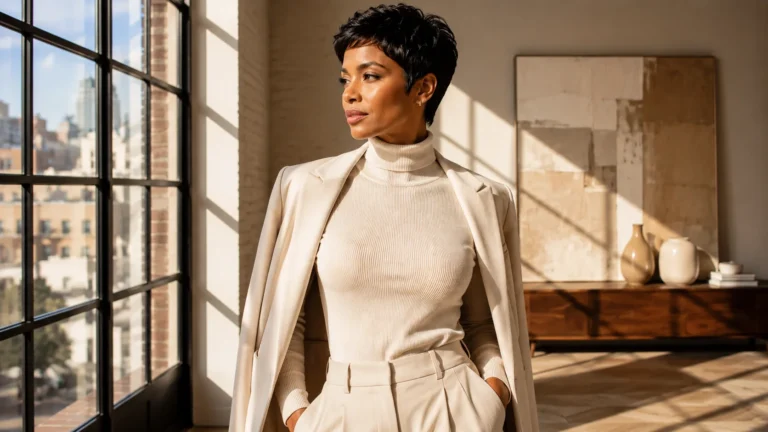
To me, wash and wear means you can shower, towel dry, run your fingers through it, and walk out the door looking finished. Understanding the structure of a classic Pixie cut makes it easy to see why it remains a timeless choice
My Styling Notes
I had a client, Diane, come in wanting a pixie for months before she finally sat in my chair. Halfway through the cut she watched her ponytail hit the floor and I swear her face went white. She grabbed my arm and asked if we could stop.
I finished the shape anyway and sent her home with exactly one product and one instruction. Scrunch it wet, let it dry, don’t overthink it.
Two weeks later she texted me a photo from her granddaughter’s soccer game, hair perfect, message attached. She said it took her five minutes flat, the fastest she’d gotten ready in years.
That’s the whole promise of a wash and wear cut. You just have to trust it through the scary middle part.
1. What Wash and Wear Actually Means at This Age
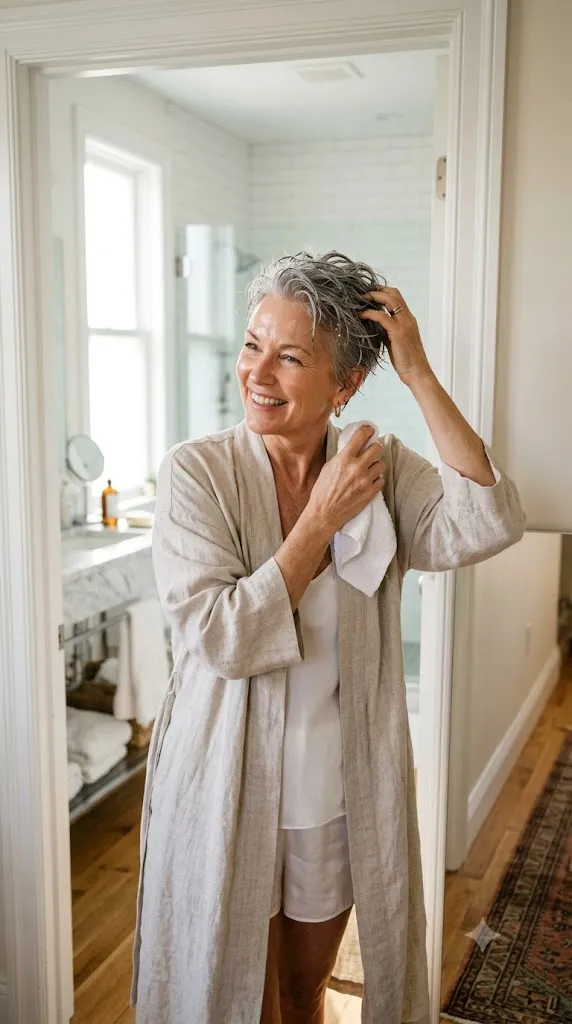
Let’s clear something up first, because every article out there throws around “low maintenance” like it means the same thing to everyone. It doesn’t. To me, wash and wear means you can shower, towel dry, run your fingers through it, and walk out the door looking finished. No round brush marathon. No diffuser negotiations. No standing in front of the mirror wondering why it looked so much easier on the model.
Every single cut on this list passed what I call the five minute test in my own chair. If a client couldn’t style it with just her hands and one product, it didn’t make the cut here, pun absolutely intended.
2.The Cowlick Proof Crop
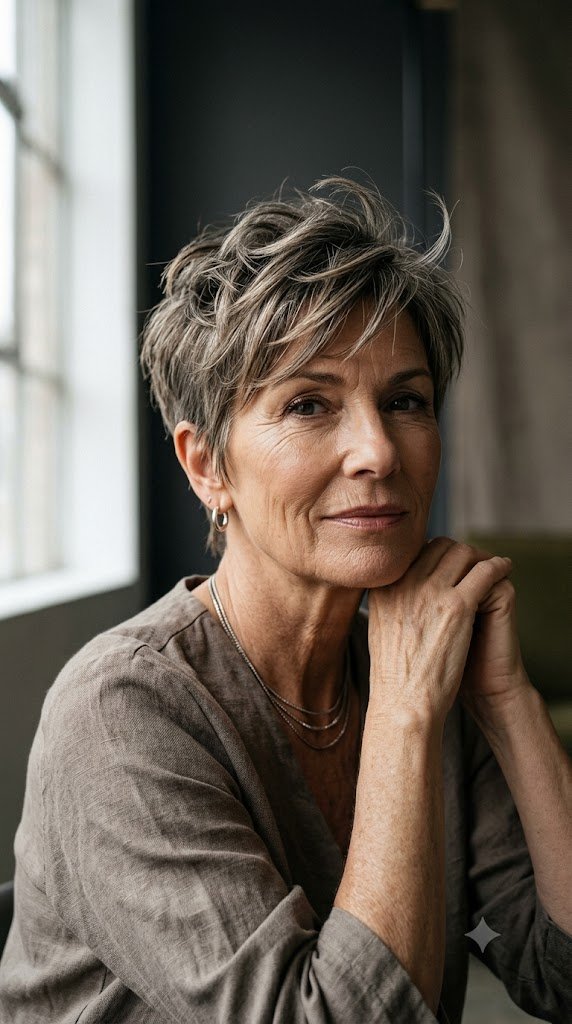
If you’ve got a cowlick at the crown, you already know the struggle. That one stubborn piece pops up no matter how much product you throw at it, and most stylists just tell you to “work with it” without explaining how. The trick I use with clients is cutting shorter, choppier layers right at the crown itself, so the cowlick becomes part of the texture instead of fighting against it.
A few things that help this style behave itself every single morning:
- Ask your stylist to point cut directly into the cowlick area
- Use a small amount of texturizing paste, not gel, which can make the swirl more obvious
- Let it dry naturally instead of brushing it flat, brushing is honestly the enemy here
Once you stop trying to smooth that cowlick down and start cutting around it, it genuinely becomes the most interesting part of the haircut.
3. The 90 Second Curly Pixie
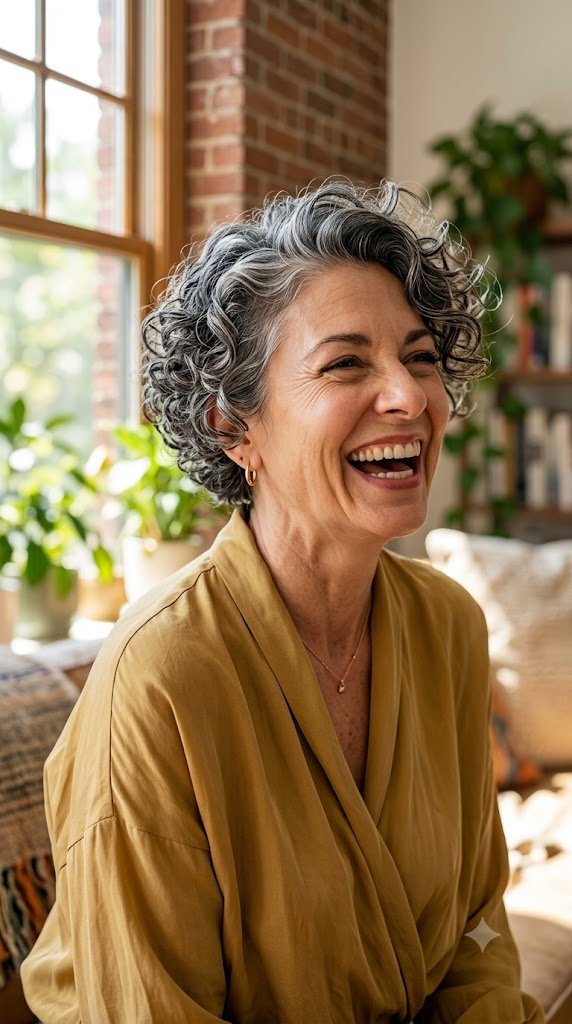
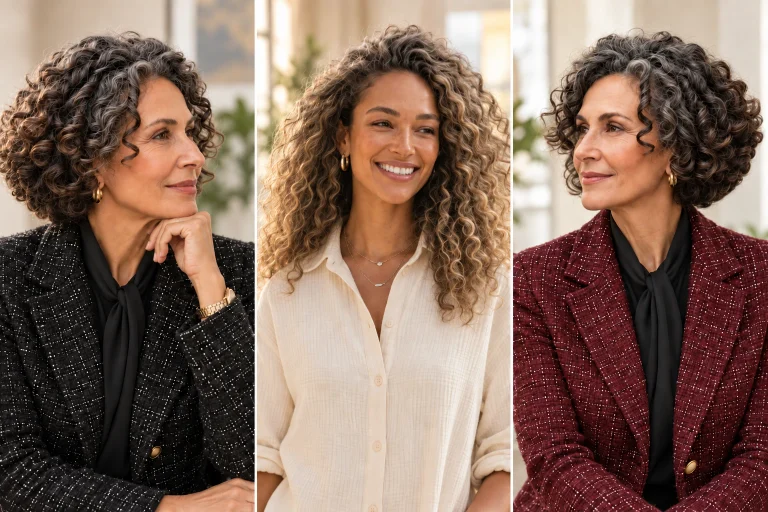
My curly haired clients are always the most skeptical about going short, and I get it. Longer curls hide a multitude of sins, and there’s real fear that a pixie will just look like a puff. But short curls, cut correctly, are honestly some of the lowest effort hair on this entire list. You wet it, scrunch in a curl cream, and you’re done before your coffee finishes brewing.
The key is asking for a cut that respects your curl pattern rather than fighting it, meaning your stylist should be cutting curl by curl, dry, not just chopping wet hair into a shape and hoping gravity cooperates.
4. The Fine Hair Texture Crop
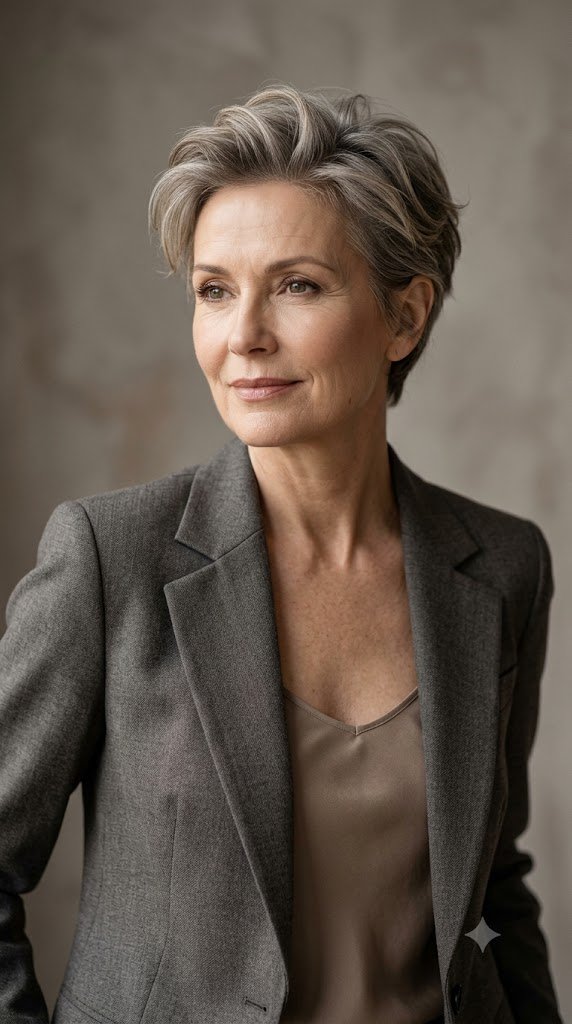
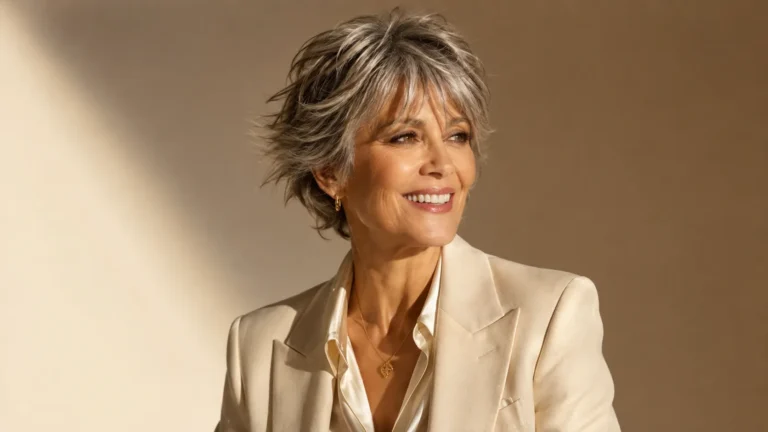
Fine hair and pixie cuts get a bad reputation because people assume short equals flat. In my experience it’s actually the opposite. Fine hair holds a pixie shape beautifully once you layer it correctly, because you’re removing the weight that was dragging it down in the first place.It sounds like a small distinction, but it’s the difference between hair that lies there and hair that actually has movement. Mastering different hair styling techniques helps maintain that effortless lift without extra effort.
I always tell clients with fine hair to ask for internal layering rather than blunt layering on top. It sounds like a small distinction, but it’s the difference between hair that lies there and hair that actually has movement and lift without you doing a single thing to it. If you’re looking for more inspiration, explore our guide on low maintenance hairstyles for 60 year old woman with fine hair to find the best cut for your texture.
Which of these fifteen pixie cuts is calling your name for your next salon visit?
5. The Salt and Pepper Wash and Go

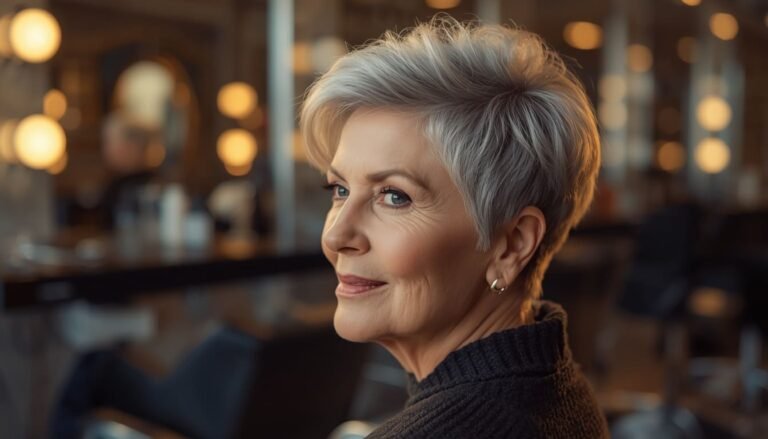
There is something so freeing about clients who finally stop fighting their gray, and honestly, salt and pepper hair paired with a pixie is one of my favorite combinations to work with. The contrast between the lighter and darker strands adds natural dimension that colored hair can spend hundreds of dollars trying to fake.
One thing I always tell my clients considering this route is that gray hair tends to be coarser and drier than your natural color used to be, so a cut with soft layers keeps it from feeling stiff or wiry. No toner appointments, no root touch ups, no scheduling your life around a colorist. You wake up, you go.
Which of these fifteen pixie cuts is calling your name for your next salon visit?
6. The Humid Climate Pixie
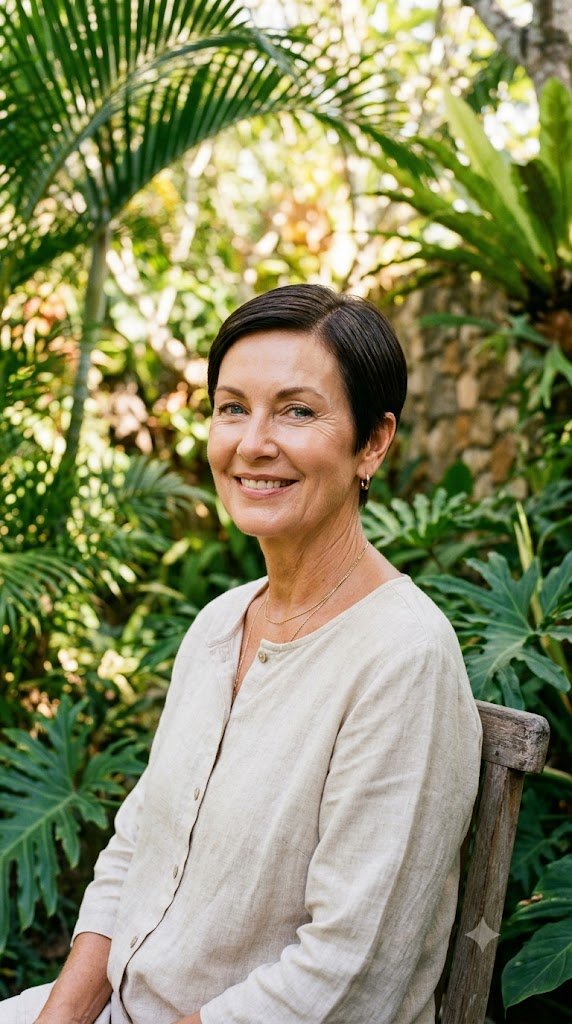
If you’re reading this from Houston, Miami, or anywhere the air feels like soup by nine in the morning, this one’s for you. Humidity is the enemy of anything with volume, and a poorly cut pixie can puff up sideways before you’ve even left the driveway.
A few things that genuinely help here:
- Ask for a slightly shorter length overall, since longer pieces are more prone to frizz and swelling
- Skip heavy creams, which trap moisture and make frizz worse in wet climates
- A lightweight anti humidity spray applied to damp hair works far better than trying to fix it after it’s already dry
I learned this the hard way styling a bride’s mother in New Orleans one August. We had the perfect look at nine in the morning, and by the ceremony at two, it had a mind of its own. Lesson learned, and now it’s baked into how I cut for anyone in a humid zone.
Top Products for Your Wash and Wear Pixie
| Look / Item | Estimated Price | Care Level | Where to Buy |
|---|---|---|---|
| Texturizing Paste | under 20 dollars | Low | Amazon |
| Curl Defining Cream | 15 to 25 dollars | Low | Amazon |
| Anti Humidity Spray | under 18 dollars | Low | Amazon |
| Leave In Conditioner with UV Protection | 12 to 22 dollars | Low | Amazon |
| Texturizing Root Powder | under 25 dollars | Low | Amazon |
| At Home Hair Cutting Shears | 20 to 40 dollars | Medium | Amazon |
7. The Cold Climate Pixie

Winter brings its own set of problems, mainly hat hair and static that makes your pixie stand on end the second you pull off a beanie. For my clients in Chicago, Minneapolis, and other places where winter isn’t a suggestion, I lean toward cuts with a bit more weight left in through the top.
That slight extra weight resists static far better than a super light, airy pixie does. A tiny dab of leave in conditioner rubbed between your palms before you head out the door also works wonders against that flyaway, charged up look hats tend to create.
Which of these fifteen pixie cuts is calling your name for your next salon visit?
8. Glasses and Hearing Aid Friendly Cuts
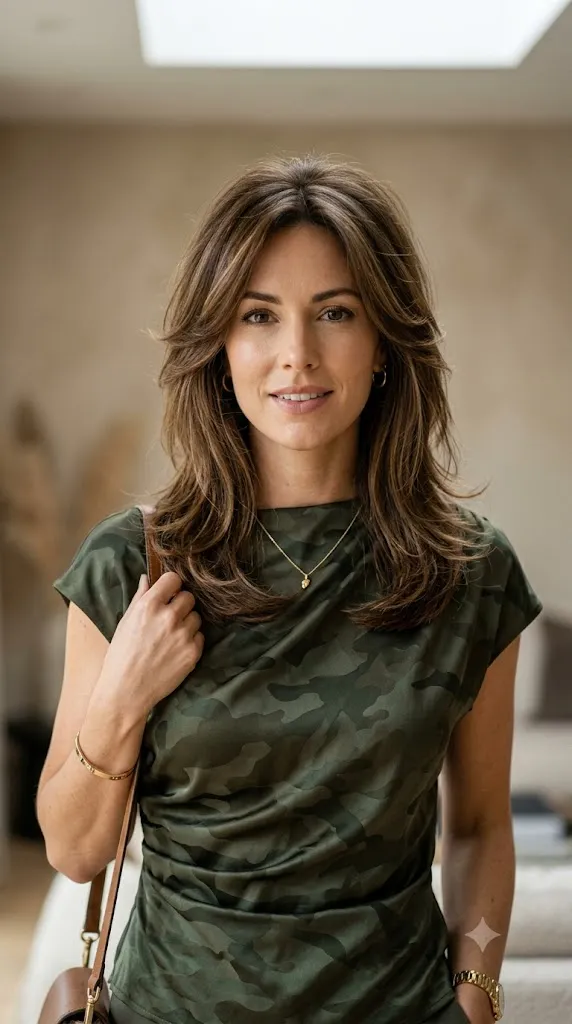
This one rarely gets talked about, but it matters so much. If you wear glasses, hearing aids, or both, your pixie needs to actually cooperate with them instead of getting tangled or pushed around every time you put them on.
Here’s what I look for when cutting for this:
- Enough length behind the ear to tuck cleanly without looking choppy
- Avoiding heavy, low set bangs that clash with thick glasses frames
- A side part that opens up the face instead of competing with the frame
.Bring your glasses to your appointment. If you want to see specific frame-friendly options, check out our favorite haircuts for women over 60 who wear glasses before sitting in the stylist’s chair.
9. The Thinning Crown Solution Cut
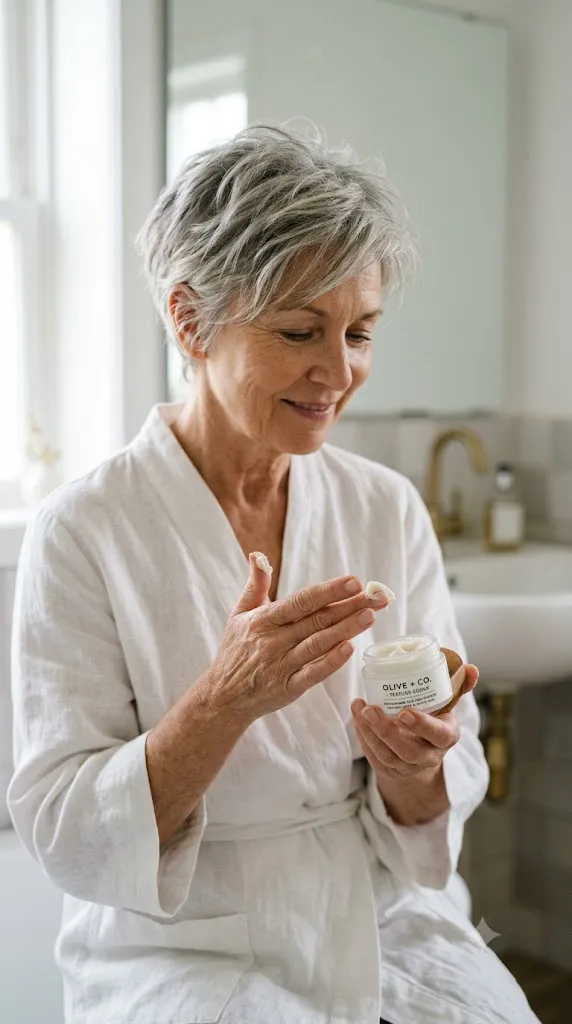
Thinning at the crown is one of the most common things clients bring up to me, usually in a hushed voice like it’s some kind of secret. It’s not. It happens to most of us eventually, and a well cut pixie can actually camouflage it better than long hair ever could, since there’s less weight pulling everything flat against your scalp.
The move here is asking for a bit of extra length left at the very top, cut with soft layers that create the illusion of density. A texturizing powder tapped in at the roots gives just enough grip for lift without looking like you’re trying too hard to hide anything.
What’s the one thing about your current hair routine you’re most ready to let go of?
10. Budget Reality What This Actually Costs
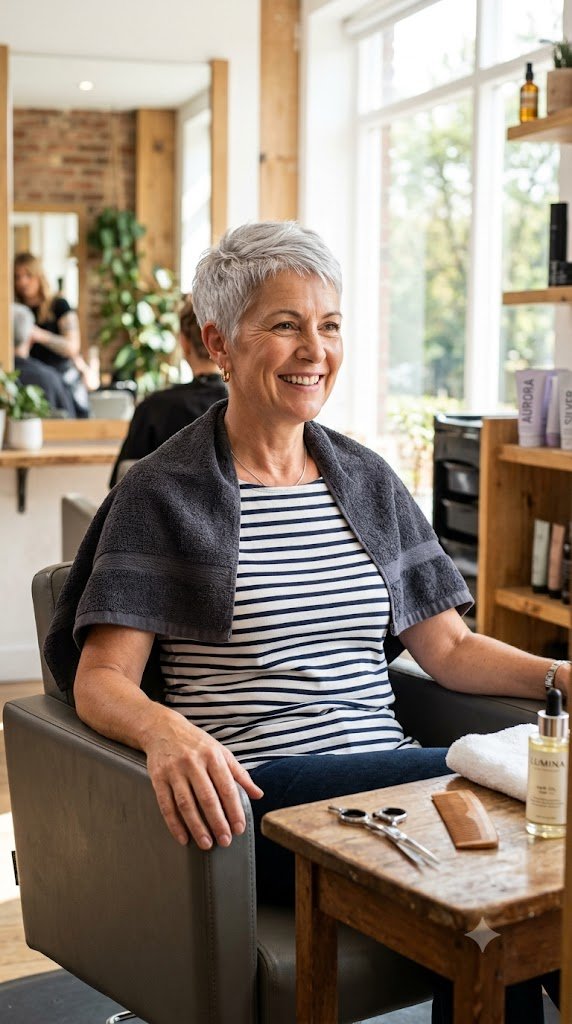
Nobody wants to talk numbers, but let’s be honest, this matters for a lot of us living on fixed incomes. A pixie needs trimming every four to six weeks to hold its shape, which averages out to roughly eight to ten visits a year depending on where you live.
- In smaller towns or suburban salons, expect somewhere around 35 to 55 dollars per trim
- In bigger cities like New York or LA, that number can climb to 70 dollars or more
- Investing in one good pair of at home shears for quick touch ups between visits can genuinely stretch your salon schedule out
I always tell clients to think of this less as a haircut and more as a subscription, sort of like Netflix but for your head, and honestly a lot more satisfying.
11. The Two Product Rule
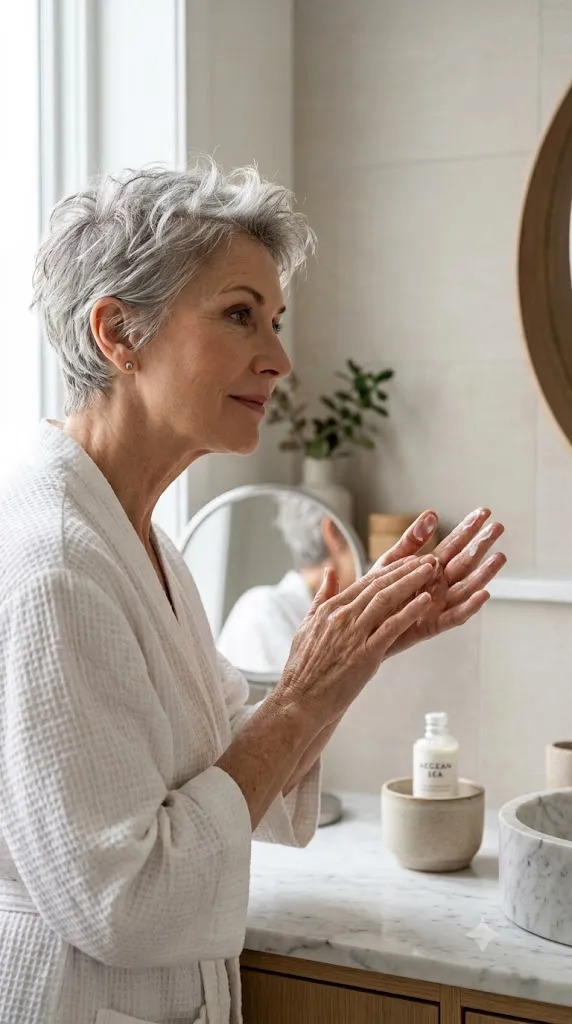
If your bathroom counter is covered in eleven different tubes and jars, we need to talk. My entire philosophy with wash and wear pixies is that you should need exactly two products, nothing more. One texturizer for definition, one lightweight cream or paste for control, and that’s it.
Anything beyond that isn’t making your hair easier, it’s just giving you more decisions to make at seven in the morning when you’d rather be drinking your coffee.
12. Salon Vocabulary Cheat Sheet
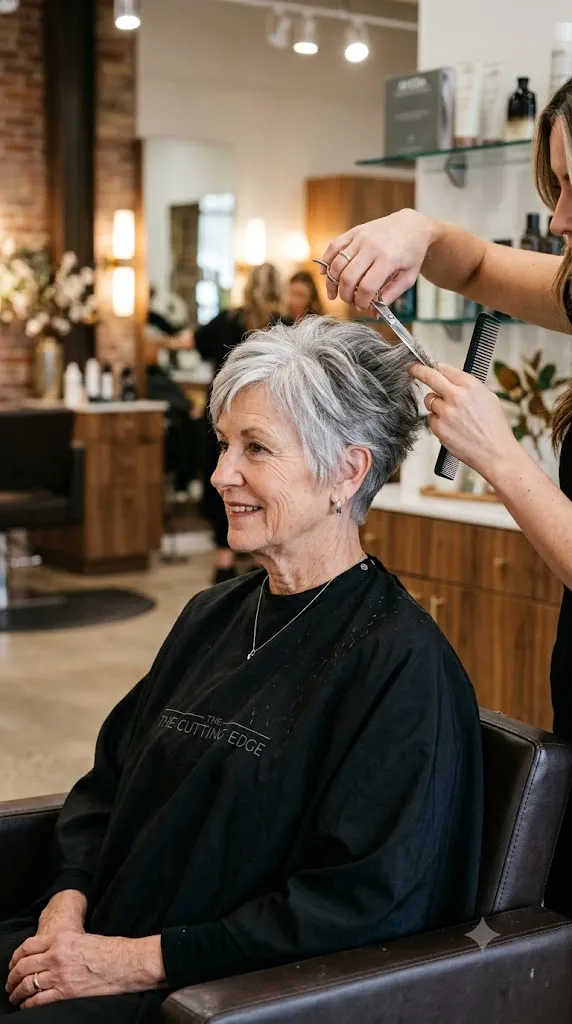
Here’s something nobody tells you. Stylists have their own language, and if you don’t speak it, you might walk out with something completely different from what you pictured. Bringing photos helps, but knowing the actual terms helps even more.
A few phrases worth memorizing before your next appointment:
- Point cutting means softer, less blunt ends, great for texture without harshness
- Disconnected nape means the back is cut noticeably shorter than the top, giving that modern, edgy shape
- Low diffusion layers means layers that blend gradually rather than in obvious steps, ideal for a softer, grown out friendly look
Walk in using even one of these terms and watch how differently your consultation goes.
13. Active Lifestyle Pixies

For my clients who are out chasing grandkids around a pool, hitting the pickleball courts, or swimming laps three times a week, hair needs to survive real movement, not just look pretty in the salon mirror. A pixie is honestly the best haircut for this kind of life, but there are still a few tricks worth knowing.
Chlorine and sun can dry out gray and colored hair fast, so a leave in conditioner with UV protection is worth keeping by the door. After a swim, a quick rinse and a scrunch of product brings the shape right back without needing to fully restyle from scratch. And if sweat is your main concern, a texturizing powder actually absorbs moisture at the roots instead of making things worse.
Between the budget friendly picks and the splurge worthy ones, which fits your life right now?
14. Color Without the Commitment
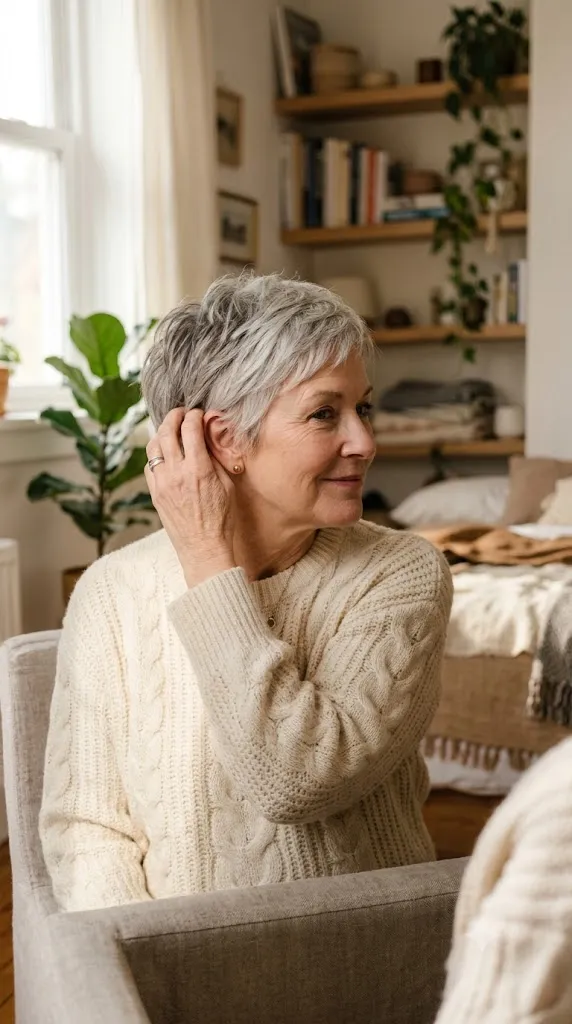
You don’t have to choose between low maintenance and having a little fun with color. The trick is picking techniques that grow out gracefully instead of leaving an obvious line the second your roots start showing.
- Balayage or hand painted highlights blend naturally as they grow, unlike foil highlights which create harsh regrowth lines
- A gray blending gloss refreshes tone without the commitment of a full color service
- Sticking to shades within two levels of your natural color means touch ups become optional rather than urgent
One thing I always tell clients who miss having some color in their life is that a soft, low commitment gloss gives you that little lift without chaining you to a six week salon calendar.
15. The What If I Hate It Safety Net
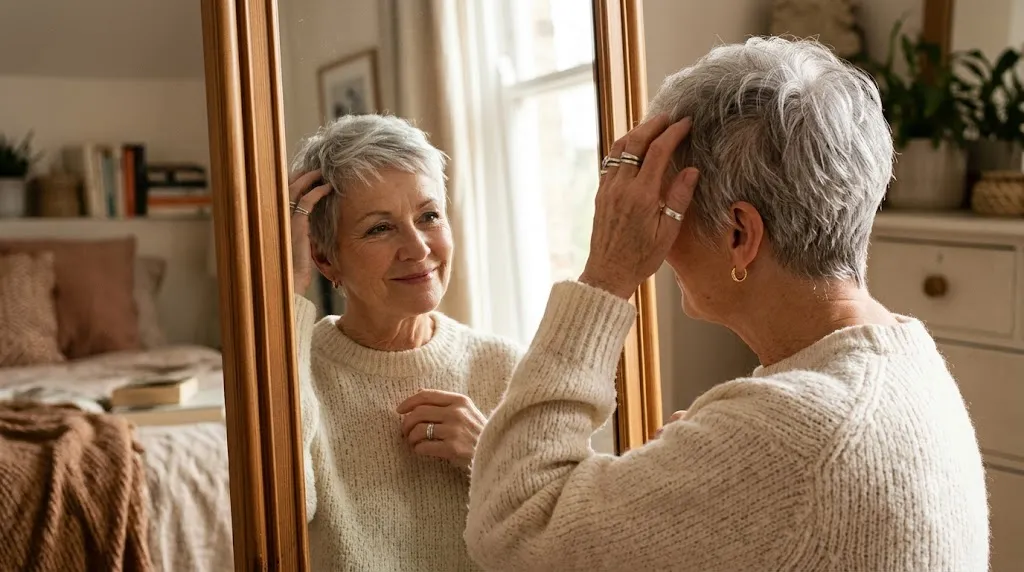
I’ll be honest with you, that first week after a big chop can feel like a genuine identity crisis for some women, and that’s completely normal. My advice is always to give it two full weeks before deciding whether it’s really you, because a fresh cut settles and softens with proper styling once you find your rhythm with it.
If you’re truly struggling, clip in bangs or a small hairpiece can soften the transition while you build confidence. And if it turns out short just isn’t your thing, growing out a pixie gracefully is absolutely possible with the right trims along the way, no drastic mullet phase required. Either way, you took the leap, and that alone deserves some credit.
Your 60 Second Pixie Decision Guide
By Budget
Budget Friendly Picks
- Texturizing paste under 20 dollars, works for almost every texture
- At home shears instead of extra trims, pays for itself in one season
- One multipurpose cream for both curl and hold, skip the extras
Worth the Splurge
- A UV protective leave in conditioner if you’re outdoors often
- A quality diffuser attachment for curly or coily texture
- Professional gray blending gloss every few months instead of full color
By Lifestyle
Busy Mornings
- Salt and pepper wash and go, zero styling required
- Fine hair texture crop, holds shape with just your fingers
Hot and Humid Climates
- Shorter overall length to resist swelling and frizz
- Anti humidity spray on damp hair, not after it’s dry
Active and Outdoorsy
- Texturizing powder to handle sweat at the roots
- UV leave in conditioner to protect color from sun and chlorine
Cold Weather Regions
- Slightly more weight on top to fight static and hat hair
- Leave in conditioner rubbed between palms before heading out
Frequently Asked Questions
What is the best low maintenance haircut for a woman over 60?
A wash and wear pixie is genuinely your best option if mornings feel rushed. The right cut only needs your fingers and one product to look finished, no brushes or hot tools required.
How often do you need to trim a pixie cut to keep the shape?
Every four to six weeks keeps the shape sharp and prevents that awkward in between phase. If you stretch it longer, the layers start losing their structure and the whole style falls flat.
Will a pixie cut work for fine or thinning hair?
Yes, and it often works better than long hair does. Removing the extra length and weight actually creates the illusion of thickness, especially with the right internal layering.
Are pixie cuts good for hot and humid climates?
They hold up far better than longer styles do in humidity. I usually recommend going slightly shorter and skipping heavy creams, since lightweight products resist frizz much better in wet climates.
Can I still wear a pixie cut with glasses or hearing aids?
Absolutely, as long as the cut is planned around them from the start. Bring your glasses to your appointment so your stylist can shape the length around your ears and temples properly.
Conclusion
You deserve mornings that feel easy, not like a second job before you’ve even had breakfast. Whichever one of these fifteen cuts caught your eye, that’s your sign to book the appointment and stop overthinking it. Diane almost walked out of my chair, and now she can’t imagine going back to what she had before. So tell me, which pixie are you saving to show your stylist first?