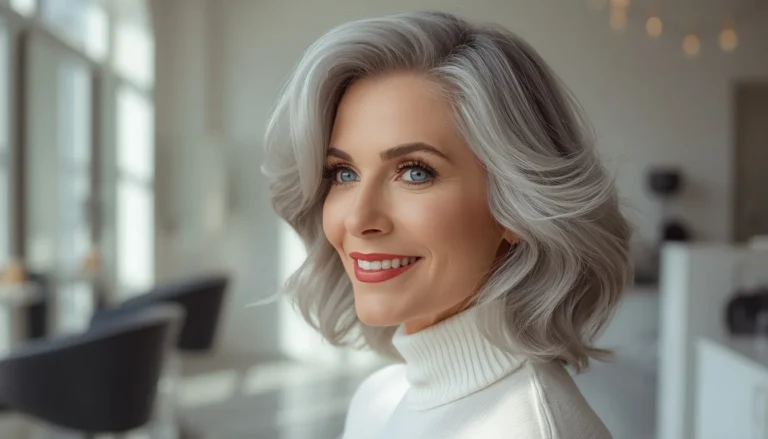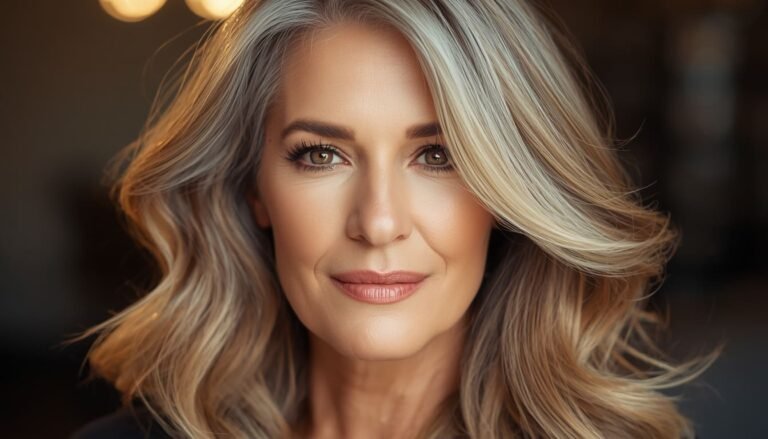
14 Hairstyles for Women Over 60 With Thin Hair That Look Younger

Here’s the thinning hair truth nobody tells you at 60: it’s not that you’re losing your hair, it’s that your hair is losing its confidence, and so are you standing in front of the mirror wondering why every cut you loved at 40 suddenly looks tired. I’ve had clients cry in my chair over this, then laugh about it two weeks later once we found the right shape. Fine, thinning strands aren’t the enemy here, the wrong cut is. So let’s fix that, one flattering, low-fuss style at a time.
My Styling Notes
Early in my career, I had a client, a retired teacher in her mid-60s with the most beautiful natural gray coils I’d ever worked with. Every stylist before me had talked her into the same relaxed bob because it seemed “safe” and “age-appropriate.” She hated it and couldn’t quite explain why.
One afternoon, on a whim, I suggested we cut it into a low taper and just let her natural texture do its thing instead of fighting it straight every six weeks. She looked in the mirror and got quiet, then said it was the first cut in ten years that actually looked like her.
That day taught me something I still tell every client now: flattering and familiar aren’t the same thing. A lot of women over 60 have been styled for “safe,” not for what’s actually growing out of their head. My job is to fix that.
14 Timeless Haircuts That Give Thin Hair Over 60 an Effortless, Elevated Lift
1. Classic Short Pixie
The pixie is the cut I recommend most for thin, straight to slightly wavy hair, and there’s a reason it never goes out of style. Cutting the length short removes the weight that’s been dragging your roots flat, which gives you instant lift without a single product.
It works especially well on oval and heart-shaped faces. If your face is rounder, ask your stylist to leave a little extra height on top so it doesn’t read as boxy. One thing I always tell my clients is to dry it with just their fingers instead of a brush, lifting gently at the roots as they go. It looks more lived-in that way, and honestly, less “done.”
Maintenance is about as low as it gets. Plan on a trim every four to six weeks to keep the shape crisp, but your daily routine can genuinely take under five minutes.
2. Tapered Pixie for Natural Hair
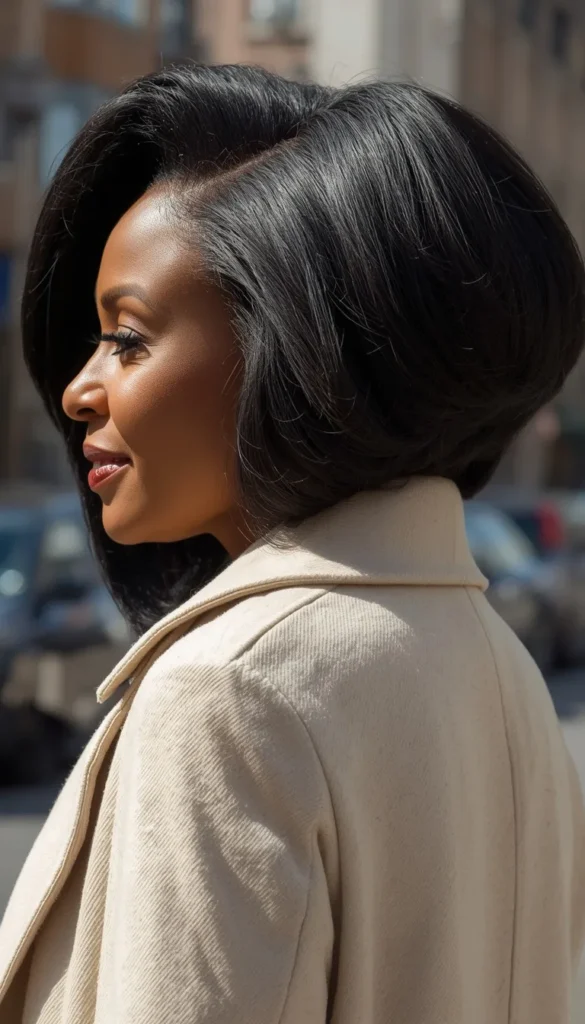
This is one of my favorite cuts to give, and it’s still shockingly underrepresented in most “hairstyles for older women” articles. A tapered pixie keeps the top full of natural texture and coil pattern while cutting the sides and back close, which creates shape without fighting your curl.
It’s a gorgeous option if you’re transitioning to gray or already loving your silver coils, since the shorter sides let that color and texture really shine. I’ve styled this on clients with everything from loose curl to tight coil, and it flatters nearly every face shape because you can adjust the height and the taper angle so easily.
A quick trick I’ve learned over the years is to twist small sections with a curl cream while your hair is still damp, then let it air dry or diffuse on low. You get definition without the frizz that comes from over-manipulating fine, thinning strands.
3. Textured Crop with Root Lift

Think of this as the pixie’s slightly edgier cousin. A textured crop uses choppy, razored layers through the crown to build volume exactly where thin hair needs it most, and it works beautifully whether your texture is straight or has a bit of natural wave.
The crown layering is really the whole trick here. It lifts the hair away from the scalp instead of letting it lie flat, which is the number one complaint I hear from clients with fine hair. Best suited to oval, heart, and slightly angular faces.
Maintenance sits in the low to moderate range, since the choppy layers hide growth pretty well between visits, though I’d still book a trim every six to eight weeks so the texture doesn’t start looking stringy at the ends.
4. Wash-and-Go Coily Crop
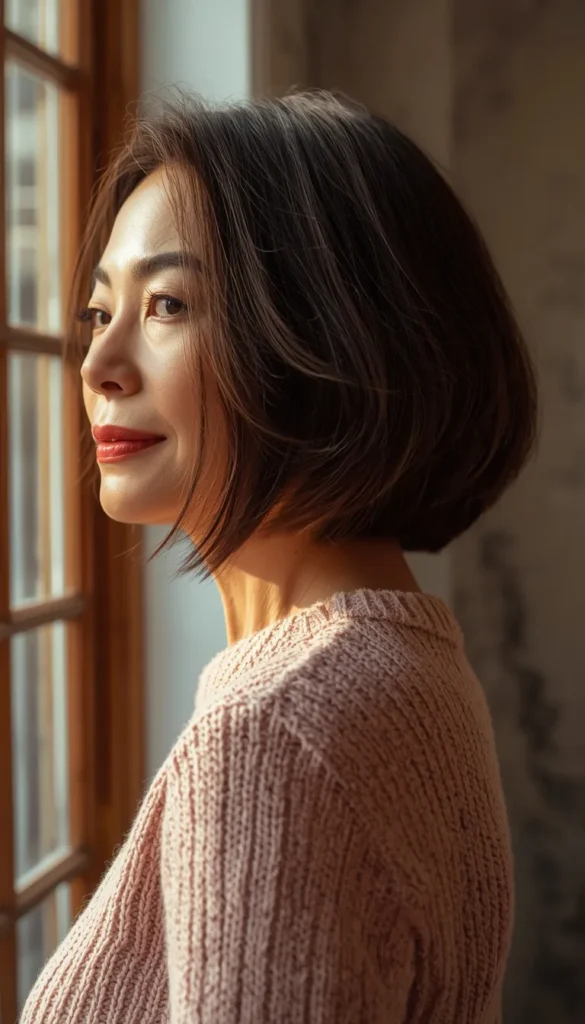
If you have natural coily hair and you’re tired of fighting it into submission every morning, this one’s for you. A wash-and-go coily crop is cut short enough that your curl pattern does all the styling work on its own, no diffuser marathon required.
I love this cut for women who want their real texture front and center. It’s incredibly freeing, honestly. You wash, scrunch in a little curl cream, and walk out the door while it air dries.
- Best on oval, heart, and round faces since the volume sits up and out rather than adding width at the sides
- Works beautifully with gray or silver natural coils
- Trims every six to eight weeks keep the shape from growing shaggy
The only real catch is humidity. In a place like Houston or New Orleans, your curl might puff up bigger than expected by midafternoon, so a lightweight anti-humidity spray is worth keeping in your bag.
5. Layered Bob
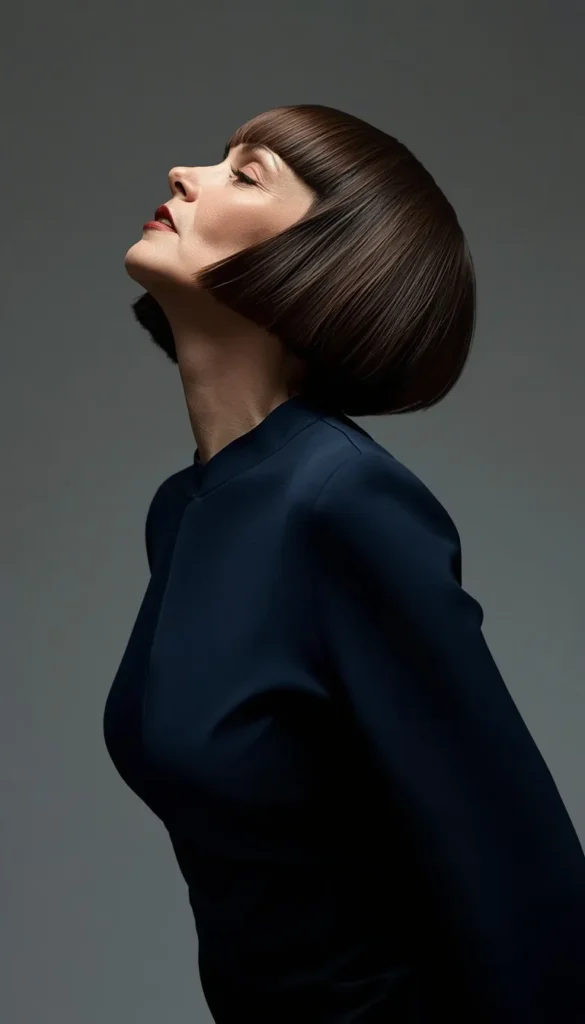
The layered bob might be the single most requested cut in my chair, and it earns that reputation. Cutting layers at different lengths through a chin-length bob creates dimension and movement that a one-length cut on thin hair just can’t fake.
It flatters nearly every face shape, which is rare. Round faces do best with layers kept slightly longer, closer to the chin, while longer faces look gorgeous with a touch more volume built in at the sides. It’s genuinely one of the most universally kind cuts on this whole list.
You can air dry it with a little scrunching for a softer, undone look, or blow it out with a round brush in about ten minutes if you want something more polished for the day. Either way works. Trims every six to eight weeks keep those layers from growing out unevenly and losing their shape.
6. Silver and Gray Natural Coil Cut
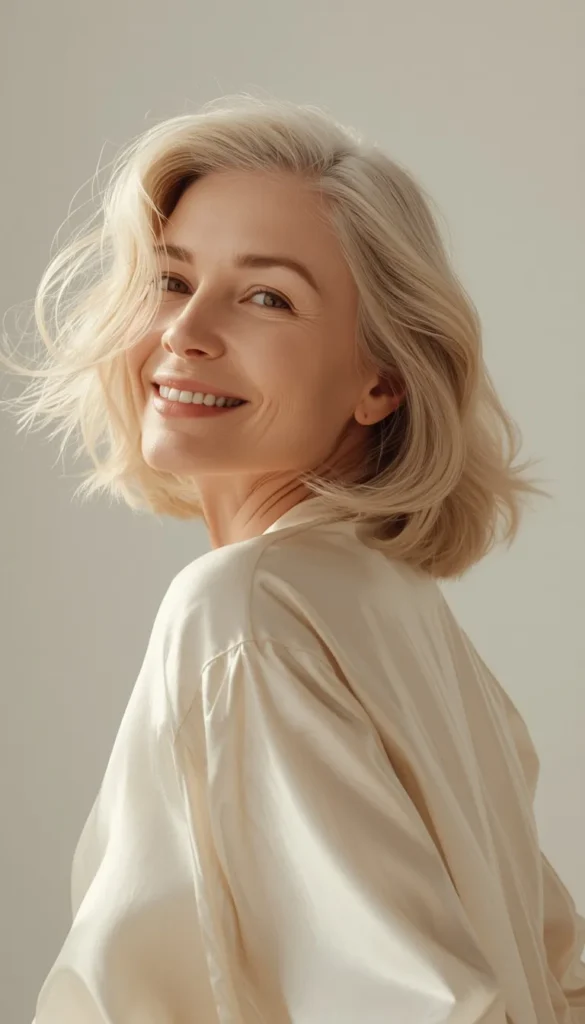
There is nothing quite like natural silver coils cut into a shape that actually celebrates the texture instead of trying to smooth it away. This style keeps a bit more length on top, letting the coil pattern show its full personality, while the sides stay neat and close.
I always tell clients embracing their gray that the cut matters just as much as the color decision itself. A style built around your coil pattern, rather than against it, makes gray hair look intentional and rich instead of just “grown out.” One thing worth knowing: gray strands are often a slightly different texture than your natural pigmented hair was, sometimes coarser, sometimes finer, so don’t be surprised if your stylist adjusts the cut technique to match.
Maintenance is moderate. You’ll want a curl cream or gel to define the coils after washing, and a trim every eight to ten weeks keeps the shape crisp without cutting off the length you’re growing out.
Top 6 hairstyles for women over 60 with thin hair ideas
| Look / Item | Estimated Price | Care Level | Where to Buy |
|---|---|---|---|
| Curl-defining cream (for Tapered Pixie & Wash-and-Go Crop) | $12-22 | Low | Amazon |
| Root-lift volumizing mousse (for Layered Bob) | $10-18 | Low | Amazon |
| Texturizing spray (for Shag with Curtain Bangs) | $15-25 | Low | Amazon |
| Lightweight shine serum (for Blunt Bob) | $18-30 | Low | Amazon |
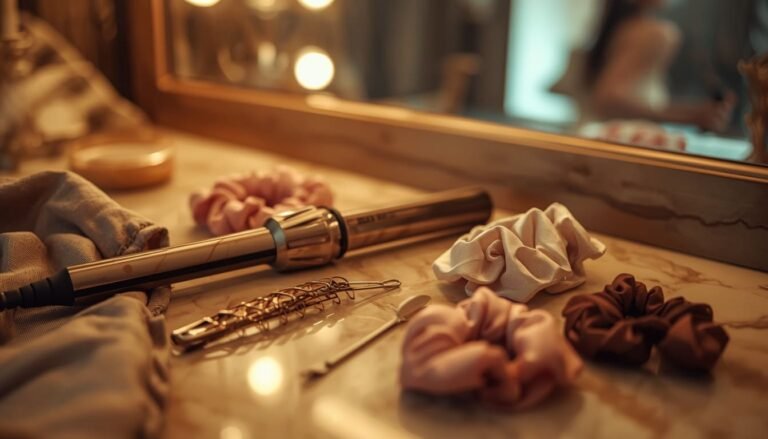
| 1-inch curling iron (for Soft Shoulder-Length Waves) | Under $50 | Medium | Amazon |
| Satin bonnet or pillowcase (protects all 6 styles overnight) | Under $20 | Low | Amazon |
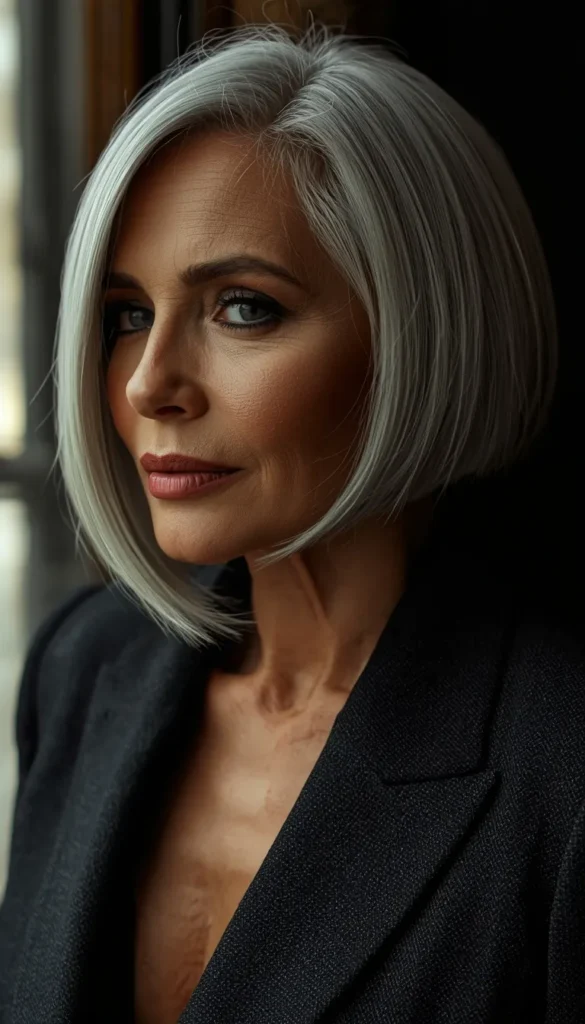
7. Blunt Bob
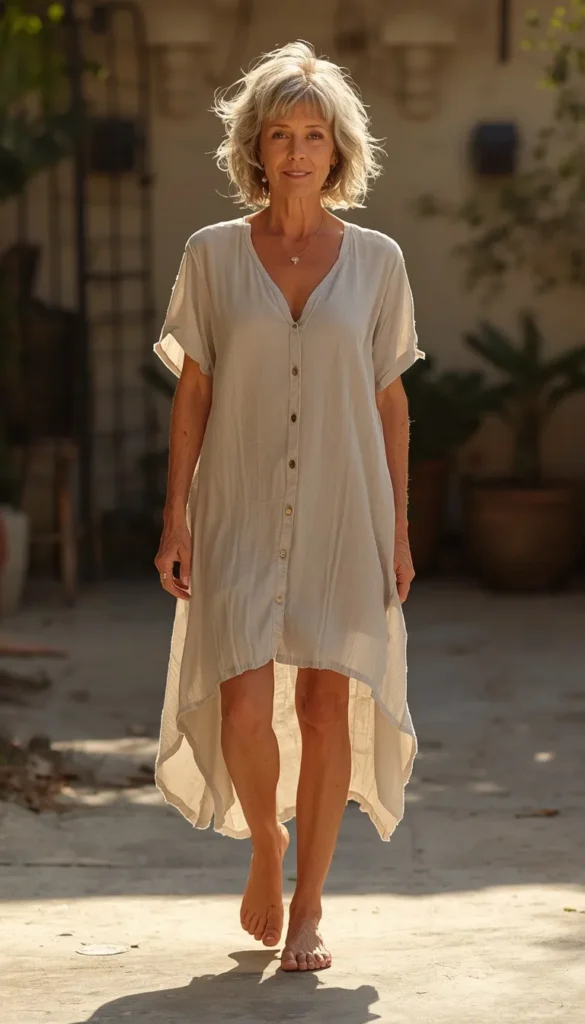
Here’s a trick that surprises almost everyone: sometimes the best move for thin hair is no layers at all. A blunt, one-length bob concentrates every strand at the same ending point, which makes the hemline look thicker and denser than it actually is.
Layers remove weight from the ends, and while that sounds helpful, it can actually make already-thin hair look thinner. A blunt cut does the opposite. All that density gets stacked right at the bottom, creating a clean, polished line that reads as fuller.
This one shines at chin-length or just below on oval and longer face shapes. If your face is rounder, ask for it angled slightly shorter in back and longer in front so it doesn’t add width. Plan on trims every five to six weeks, since uneven or split ends show up fast when every strand is the same length.
8. Shag with Curtain Bangs
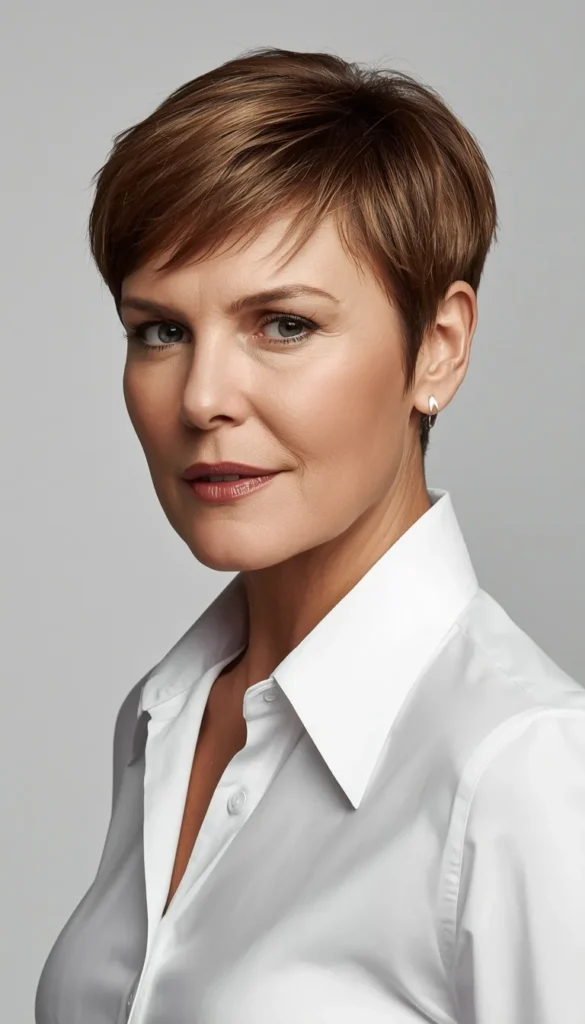
The shag has had a full comeback moment, and I am so here for it on thin hair specifically. Heavy layering through the crown and mid-lengths builds volume right where fine hair tends to fall flat, while curtain bangs soften the whole face and add even more movement up front.
Thin hair actually works in your favor with this cut. The natural, slightly wispy texture that used to frustrate you is exactly what gives a shag its effortless, tousled personality. You’re not fighting your hair here, you’re finally using it.
- Square faces soften beautifully with curtain bangs
- Round faces benefit from a little extra length through the sides
- Trims every eight to ten weeks keep it from losing its shape
A texturizing cream scrunched into damp hair, then air dried or diffused on low, is really all it takes. Try not to over-brush it. Messy is the whole point.
9. Asymmetrical Bob
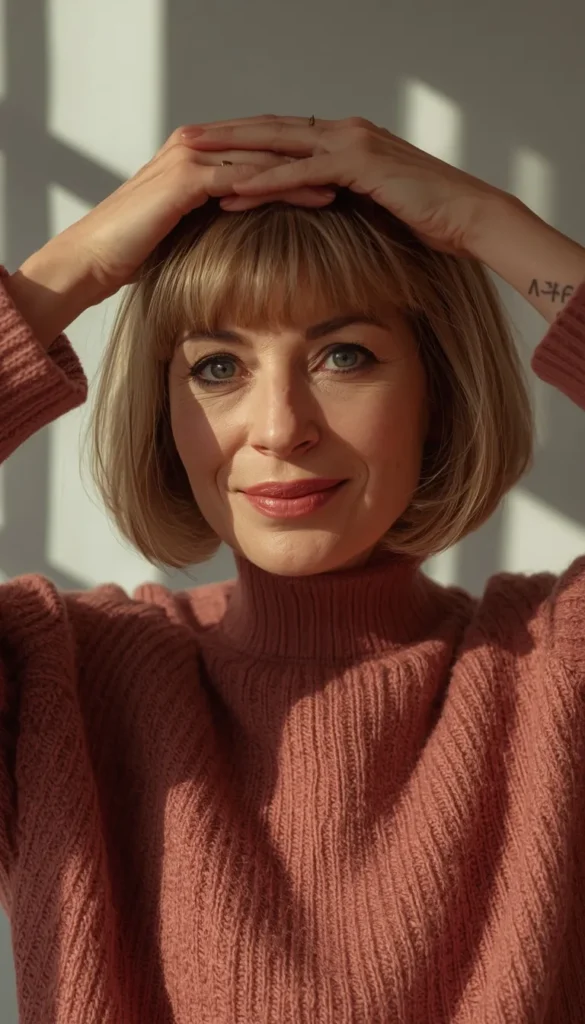
I recommend this to clients who want their haircut to have a little attitude, honestly. Cutting one side noticeably longer than the other creates movement and visual interest that a symmetrical cut on thin hair sometimes lacks, and it does a sneaky-good job of covering thinner areas near the temples.
It’s particularly striking on square and heart-shaped faces, where the angled line softens a strong jaw or balances a wider forehead. Round faces look great with it too, especially when the longer side falls below the chin for a slimming effect.
This one does ask a bit more of you at the mirror. The angles need some precision to maintain, so I’d budget for a trim every five to six weeks to keep the shape sharp. Once it’s styled though, it holds beautifully through the whole day without much touch-up.
10. Low Tapered Cut for Coily Gray Hair
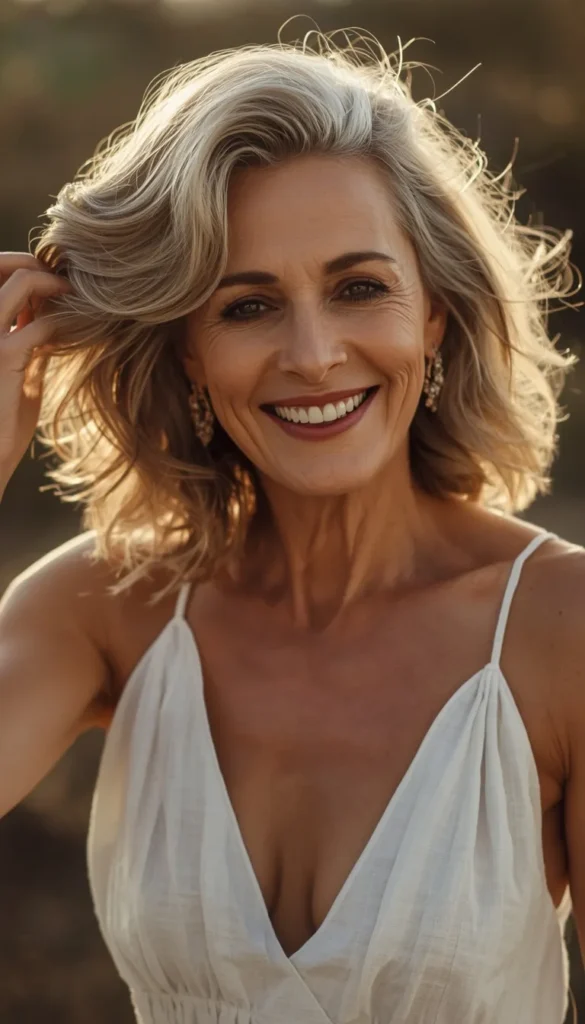
This is a cut I wish more women knew was an option. A low taper on coily gray hair keeps a soft, rounded shape on top while tapering close at the sides and nape, and the result is polished without ever looking severe or overly cropped.
I’ll be honest, this style takes a stylist who genuinely understands how to cut coily texture, not just straight hair shaped to look “textured.” That distinction matters more than people realize. When it’s done right though, the taper elongates your neckline and the fuller top keeps all that gorgeous silver coil visible and center stage.
Styling is refreshingly simple, just a curl cream on damp hair. Trims every six to eight weeks keep the taper crisp, since that’s the part that grows out fastest and starts to look uneven first.
11. Side-Swept Bangs as an Add-On
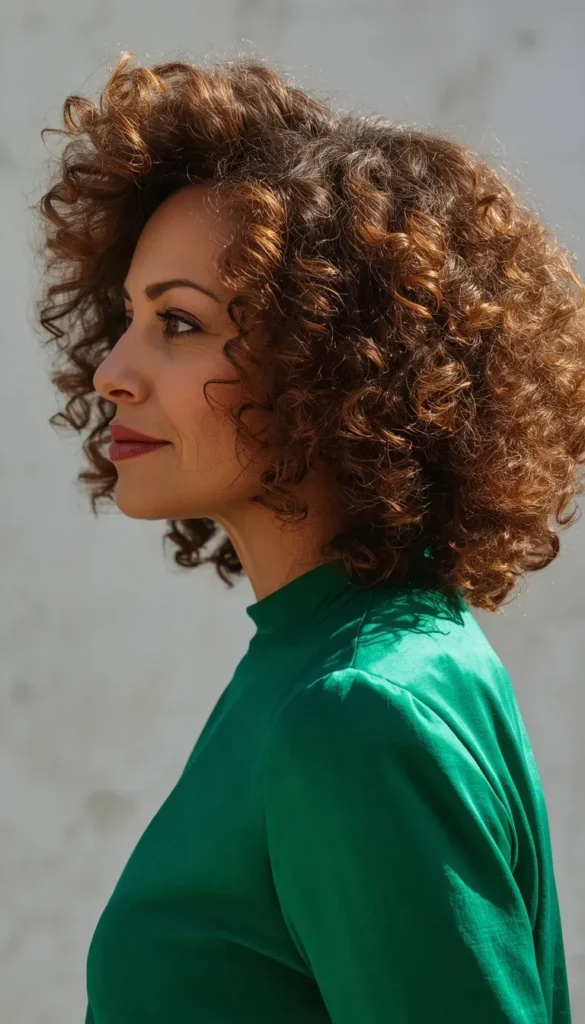
Technically this isn’t a full haircut, it’s an addition, but I’m including it because it might be the single most impactful two minutes you spend in a stylist’s chair. Side-swept bangs work with a pixie, a bob, a shag, pretty much anything on this list, and they solve two problems at once.
First, they create instant fullness right across the forehead, which happens to be one of the most common spots women notice thinning. Second, sweeping hair to one side naturally covers sparse areas near the hairline without looking like you’re hiding anything.
They soften a square jaw, add angles to a round face, and honestly just look good on nearly everyone. The only real downside is that bangs sitting against your forehead tend to get oily a little faster, so keep dry shampoo nearby for a midday refresh.
12. Soft Shoulder-Length Waves
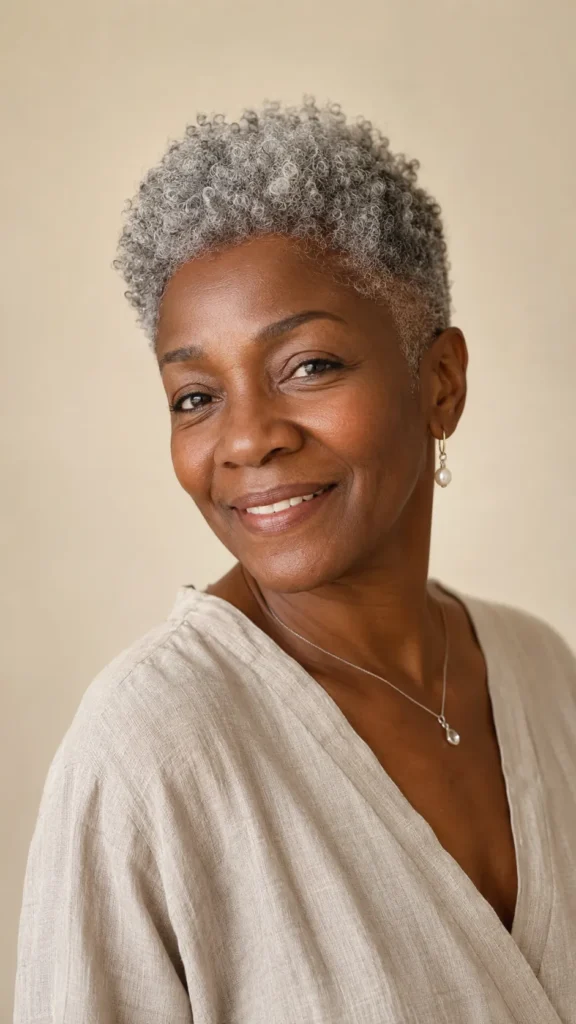
If you’re not ready to go short and I promise, you never have to be if you don’t want to, shoulder-length hair with soft waves is the perfect middle ground. It’s long enough to pull back on a lazy day, but short enough that gravity isn’t dragging every ounce of volume straight out of your roots.
Waves are honestly one of the most underrated volume tricks out there. Curling or waving flat, thin hair adds instant lift and dimension, turning limp strands into something with real bounce. This length flatters practically everyone, though longer faces look prettiest with extra wave built in at the sides, while round faces do best keeping the waves looser and lower, past the jawline.
One thing I always tell my clients is to blow-dry upside down first to build root volume before adding any curl at all. Wrap sections around a curling iron and leave the very ends straight for a softer, more modern finish, then set it with a light texture spray instead of heavy hairspray so it doesn’t weigh back down.
13. TWA (Teeny Weeny Afro)
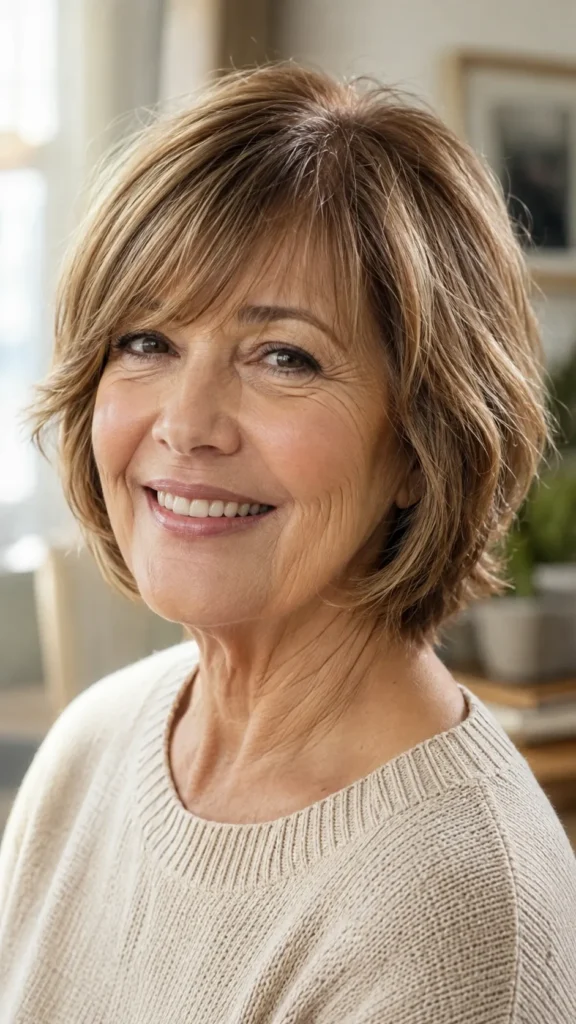
The TWA might be the boldest, most freeing cut on this entire list, and I mean that as a compliment. Cropping natural coily or curly hair down to its shortest, most textured form puts your natural pattern completely on display, no product marathon, no heat styling, nothing hiding it.
I’ve had clients tell me this cut made them feel more like themselves than anything they’d worn in years. There’s something about letting your real texture just exist that reads as confidence, not “low effort.”
- Best on oval, heart, and round face shapes since the shape sits close and doesn’t add width
- A little curl-defining cream on damp hair is genuinely all the styling it needs
- Trims every four to six weeks keep the shape neat as it grows
Maintenance-wise, this is about as easy as short hair gets. Wash, scrunch, go.
14. Press-and-Curl Short Style
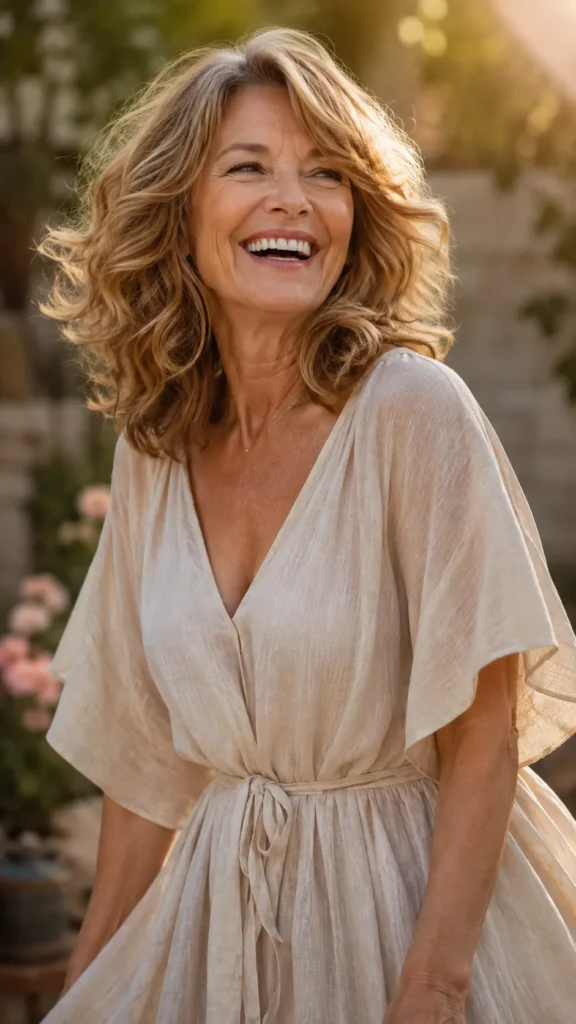
For the days you want something a little more polished, maybe a wedding, a big family dinner, a night out, a press-and-curl on short hair gives you that smooth, glamorous finish without committing to it every single day. It’s a special-occasion move, not an everyday one, and that’s exactly what makes it fun.
This works on shorter cuts across textures, from coily to straight, and the smoothed finish tends to make thin hair look noticeably fuller and shinier, at least until your next wash or a little humidity sneaks in. A quick trick I’ve learned is to set the curls with pins and let them cool completely before brushing them out, which gives you way more volume and hold than styling hot.
Keep in mind this isn’t meant for daily wear on natural texture, since regular heat styling adds up over time. Save it for the moments that call for a little extra sparkle.
Your 30-Second Cut Picker
By Budget
Low-Fuss, Low-Cost Picks
- Classic Short Pixie
- Wash-and-Go Coily Crop
- TWA
- Blunt Bob
Worth the Splurge (on cut precision, not products)
- Asymmetrical Bob
- Low Tapered Cut for Coily Gray Hair
- Shag with Curtain Bangs
By Lifestyle
Busy and On-the-Go
- TWA
- Classic Short Pixie
- Wash-and-Go Coily Crop
Hot, Humid Climates
- Tapered Pixie for Natural Hair
- Low Tapered Cut for Coily Gray Hair
- TWA
Still Working, Want Polish
- Layered Bob
- Blunt Bob
- Angled or Asymmetrical Bob
Weekend-Casual, Effortless Days
- Shag with Curtain Bangs
- Soft Shoulder-Length Waves
Special Occasions Only
- Press-and-Curl Short Style
Stock Up for Any of These A good curl cream, a lightweight root-lift mousse, and a satin bonnet cover almost every cut on this list, and all three are easy, affordable finds on Amazon.
Frequently Asked Questions
What is the best haircut for a woman over 60 with thin hair?
A layered bob or a short pixie, hands down. Both cut away the weight that’s making your hair look flat and give you volume right at the roots, and the choice really comes down to how short you’re willing to go.
Should thin hair be cut short or kept long as you get older?
Shorter to medium usually wins. Long hair gets pulled down by its own weight, which drags volume away from the scalp and makes thinning spots more obvious, so chin-length to shoulder is generally your sweet spot.
What is the best low-maintenance short haircut for older Black women?
I usually recommend a tapered pixie or a TWA. Both work with your natural coil pattern instead of against it, so you’re looking at a wash, a little curl cream, and out the door.
Does hair color actually make thin hair look thicker?
Yes, genuinely. Dimensional color like highlights or lowlights creates depth and shadow that tricks the eye into seeing more density, and it works whether your hair is gray, natural, or colored.
How often should older women with thin hair get haircuts?
Every five to eight weeks depending on the cut. Pixies and tapers need trims every four to six weeks to hold their shape, while bobs and shags can usually stretch to seven or eight.
Conclusion
Here’s what I want you to walk away with: your hair doesn’t need to be thick to look thick, it just needs the right shape working with it instead of against it. That’s the whole secret hiding behind every cut on this list. So book that consultation, screenshot the style that made you pause, and tell your stylist exactly what you want instead of settling for whatever feels safe. You deserve to look in the mirror and actually recognize the confident woman staring back.