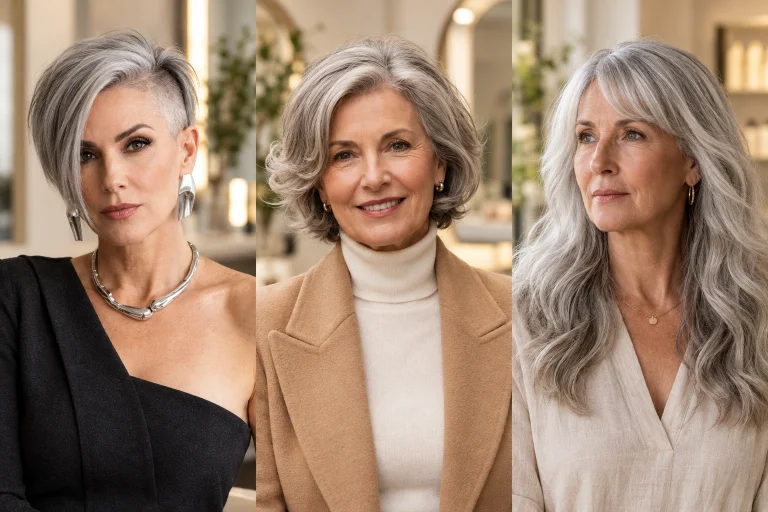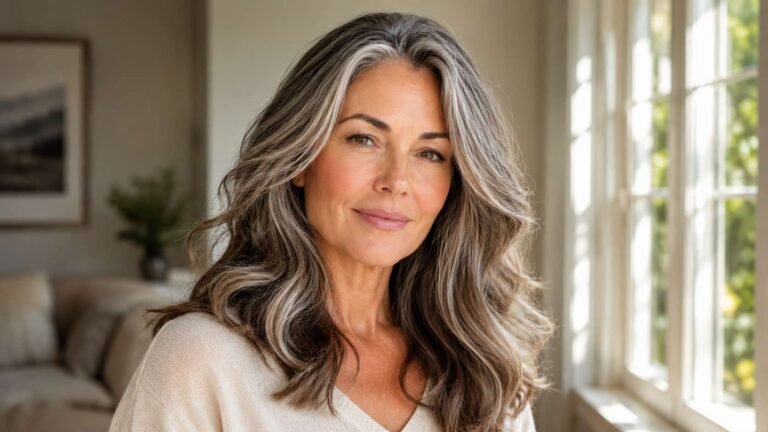
13 Gray Blending for Older Women Ideas That Look Naturally Youthful
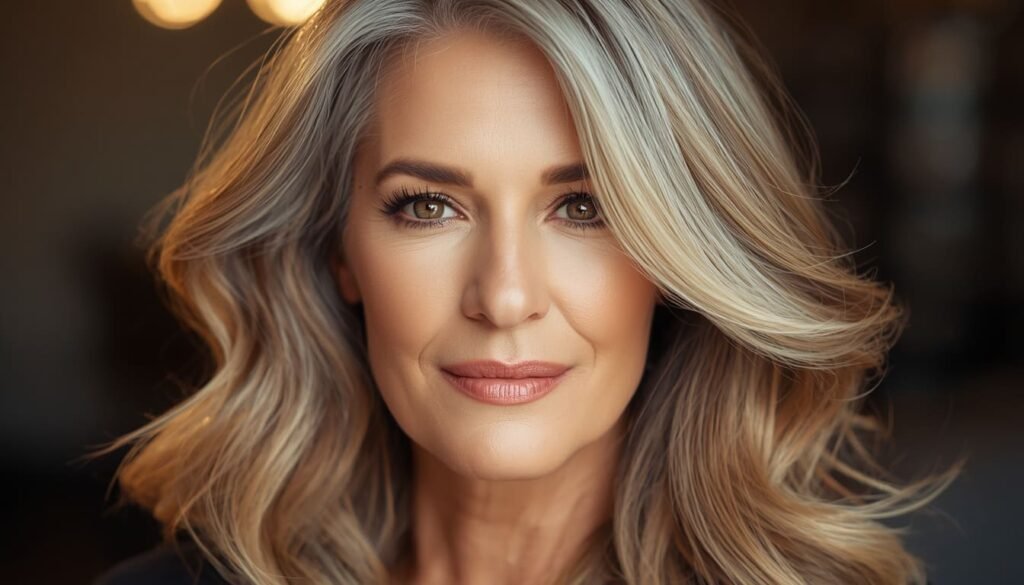
I’ve sat across from hundreds of women over 50 in my design chair, and the ones who look the most youthful aren’t the ones hiding their grays. They’re the ones who’ve learned to blend them. Gray blending for older women has completely changed the way my clients approach color less chair time, less damage, and honestly? More compliments than they ever got with full coverage. In this guide, I’m walking you through 13 real, tested ideas that work with your gray, not against it.
My Design Notes
Last spring, a client of mine a 58-year-old retired teacher from suburban Chicago walked into my chair completely defeated. She had been fighting her grays with box dye for nearly three years. Her hair was dry, her roots were showing every three weeks, and she told me she felt exhausted just thinking about her next touch-up. We spent the first 90 minutes of that appointment just talking. About her lifestyle, her budget, and honestly, what she actually wanted her hair to say about her at this stage of life. I suggested a soft ash babylight blend over her natural salt-and-pepper base, and we committed to a simple at-home purple shampoo routine between visits. Six months later, she sent me a photo from her daughter’s wedding. Her hair looked effortless, dimensional, and completely her own. That appointment is the reason I believe gray blending for older women is never just a color decision it is a confidence decision.
Stunning Gray Blending Ideas for Older Women That Look Effortlessly Youthful
1. Soft Babylights for a Sun-Kissed Natural Blend
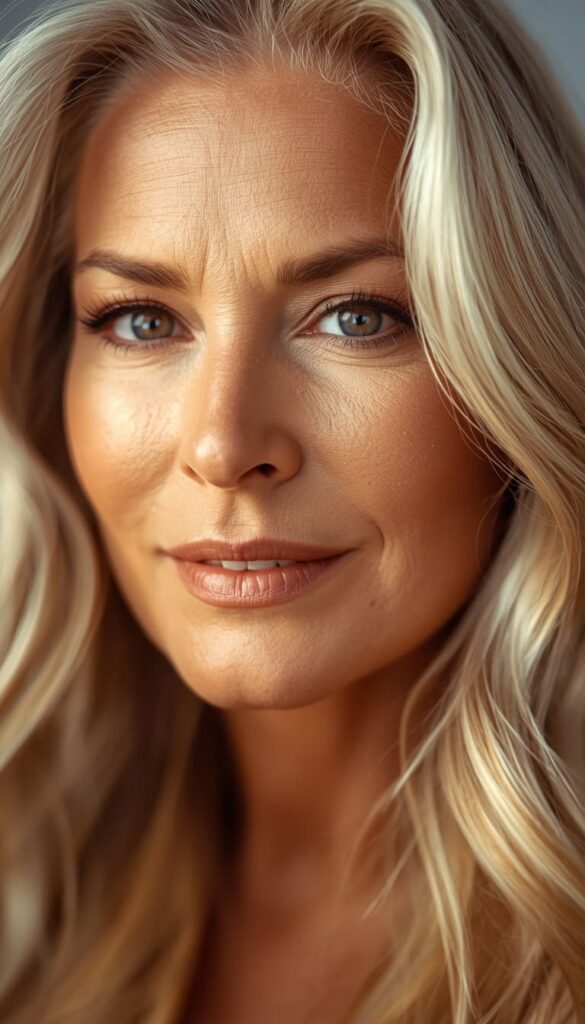
Babylights are honestly one of my favorite techniques for women who want gray blending that looks like it just happened naturally. The process involves weaving very fine sections of hair and lifting them just a few shades lighter than your base. The result is that soft, sun-kissed dimension that makes gray strands disappear into the overall color rather than stand out against it.
This works beautifully for women with fine hair because the delicate placement never looks chunky or overdone. If your grays are concentrated around your temples and hairline which is the most common pattern I see babylights in that zone alone can make a dramatic difference without touching the rest of your hair.
- Salon cost typically runs between $180 and $280
- Maintenance falls around every 10 to 14 weeks, making it genuinely low commitment
- Ask your colorist specifically for “micro-weave babylights” for the most seamless finish
One thing to watch out for is that on very thick or coarse hair, babylights alone can look a little flat. In that case I always recommend pairing them with a few scattered lowlights to add depth and keep the blend feeling rich rather than washed out.
2. Balayage Gray Blending for a Low Maintenance Lifestyle
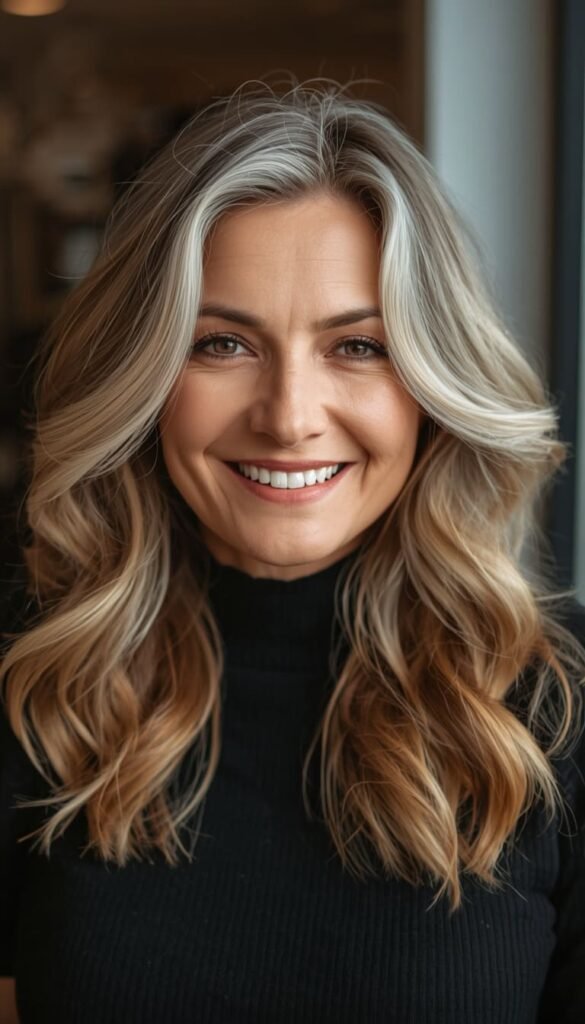
If you have a busy schedule and you cannot commit to sitting in a salon chair every two months, balayage is the technique I would recommend to you without hesitation. It is a hand-painted method where your colorist brushes lightener onto selected sections of hair, concentrating the brightness toward the mid-lengths and ends. Because the roots are left natural and the color fades gradually, there is no harsh line of regrowth to worry about.
I have worked with so many women over 50 who switched from full-coverage color to balayage and described it as genuinely life-changing. Not because of the look alone though the look is stunning but because of the freedom. Going from a six-week root touch-up cycle to a three or four month balayage refresh is a completely different relationship with your hair.
Salon cost for a full balayage service in most US markets sits between $200 and $350. The honest con here is that balayage does not give you root coverage. If you want your grays completely hidden, this is not your technique. But if you are ready to let your natural gray become part of the dimension rather than something to fight, balayage is exactly where I would start.
3. Ash Blonde Blending for Early Grayers
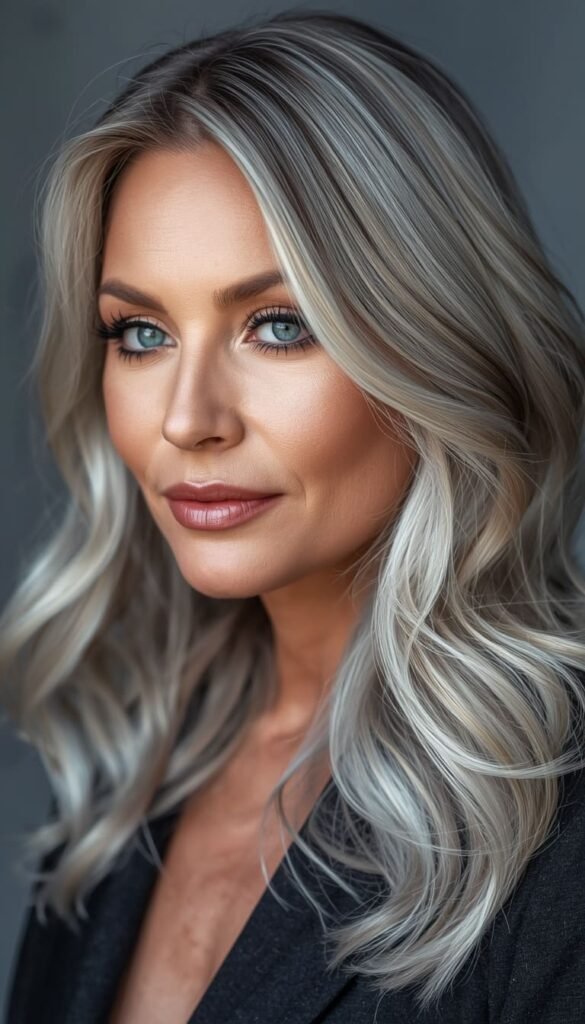
Here is something I tell every client who comes in panicking about their first grays showing up: cool tones are your best friend right now. Ash blonde shades sit in the same color family as gray, which means they create an optical illusion where your silver strands simply look like intentional highlights rather than regrowth.
This is genuinely the cheat code for women in their late 40s and early 50s who are just beginning their gray transition. A soft ash blonde gloss or highlight service can buy you months of seamless, natural-looking color before anyone including you notices a thing.
The maintenance reality is that cool blonde tones require purple shampoo at home, used once or twice a week, to stay fresh. Skip that step and the color shifts warm and brassy within weeks. Salon cost ranges from $150 to $260, and you will want a toning refresh every six to eight weeks. It is a commitment, but a manageable one for the result you get.
4. Gray Blending for Brunettes Using Caramel and Mocha Tones
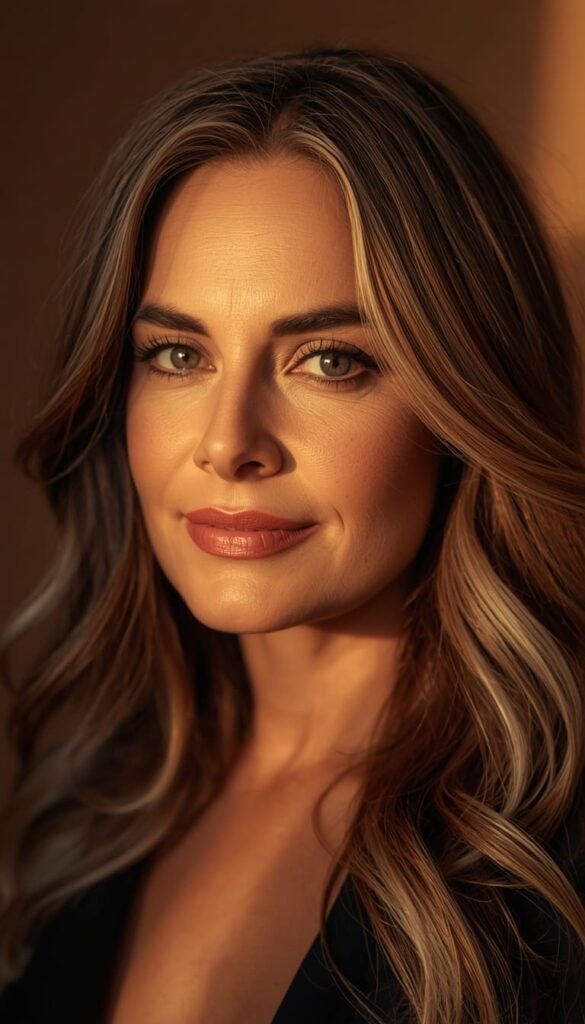
Dark hair and gray is one of the combinations I find most striking, and also one of the most mishandled in salons that are not experienced with gray blending. The biggest mistake I see is going too light too fast pulling a brunette woman toward a bright blonde highlight that creates jarring contrast rather than a soft blend.
What actually works on deeper bases is warmth. Think soft caramels, rich mochas, and golden brown tones placed strategically through the mid-lengths.
- These warmer tones echo the natural variation in brunette hair, so grays read as dimension rather than regrowth
- Olive and warm skin tones especially come alive with caramel-based blending
- Avoid anything described as “platinum” or “icy” if your natural base is medium to dark brown
Salon cost for brunette gray blending typically runs $200 to $380 depending on your hair’s length and density. A quick trick I have learned over the years is to ask your colorist for a “smudged root” finish it blurs the line between your natural base and the lighter pieces and gives the whole look a polished, intentional feel right out of the salon.
Top 6 gray blending ideas:
| Idea | Estimated Price | Maintenance |
|---|---|---|
| Soft Babylights | $180 to $280 | Low |
| Balayage Gray Blending | $200 to $350 | Low |
| Ash Blonde Blending | $150 to $260 | Medium |
| Face Framing Highlights | $100 to $180 | Medium |
| Highlights and Lowlights Combo | $220 to $400 | Medium |
| Silver Blonde Transformation | $250 to $450 | High |
5. Face Framing Highlights to Brighten Mature Skin
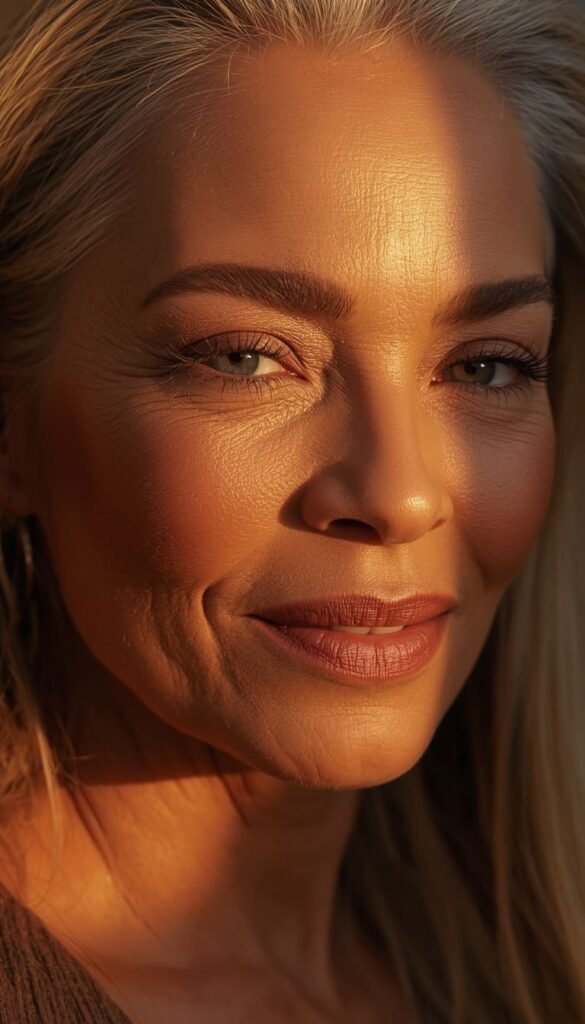
If I could recommend just one single color placement to every woman over 50, it would be face framing highlights. No question. The area directly around your face is where grays tend to cluster first, and it is also the zone that most directly affects how youthful and luminous your overall look feels. Strategic lightness right there around the hairline, temples, and the front sections — lifts your complexion in a way that no skincare product can replicate.
The beauty of face framing is that it works on every hair length and every face shape. For oval and heart shaped faces, I keep the pieces soft and blended. For rounder face shapes, I concentrate brightness slightly higher and toward the crown to create the illusion of length. Square jaw lines soften beautifully when the framing is kept wispy and diffused rather than bold and structured.
- A standalone face frame service typically costs between $100 and $180, making it the most budget friendly entry point into gray blending
- Plan for a refresh every three to four months to keep the brightness from fading into brassiness
- Ask specifically for a “money piece blend” if you want the transition between highlighted and natural sections to look seamless rather than striped
One thing to watch out for is skipping those refresh appointments. Face framing grows out faster than full head services, and when the brightness fades unevenly it can actually draw more attention to your gray roots than before you started.
6. Root Smudge and Glossing for a Stealth Gray Blend
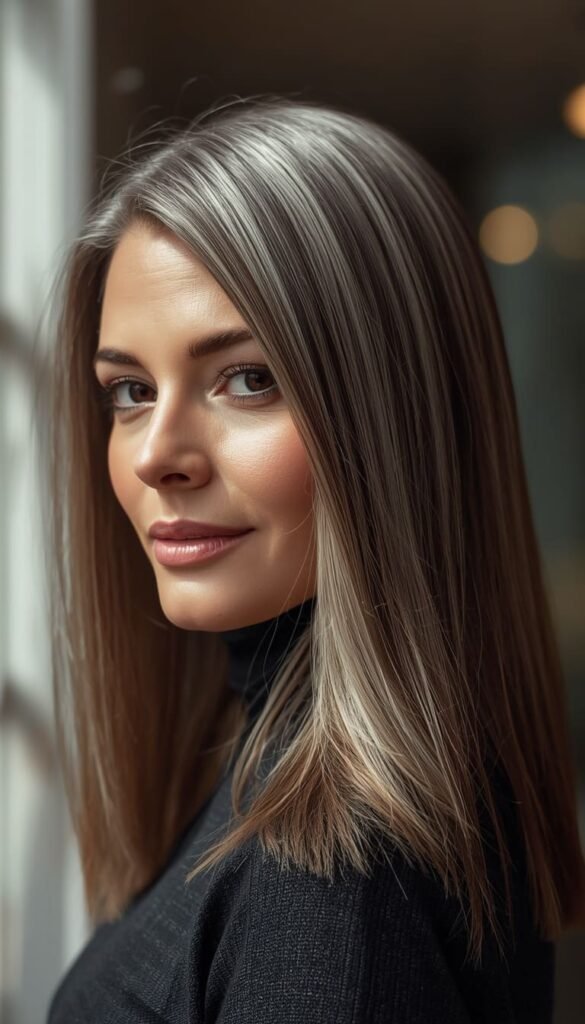
This is the technique I wish more women knew about before jumping straight into highlights or balayage. A root smudge is exactly what it sounds like your colorist applies a soft, translucent color right at the root area and blurs it downward, eliminating that sharp line of demarcation where gray meets your natural base. Paired with a clear or tinted gloss service, the result is hair that looks healthy, dimensional, and intentionally blended rather than in-between colors.
I use this combination constantly on clients who are in transition women who are not sure yet how far they want to take their gray journey and need something that looks polished while they figure it out. It is low commitment, relatively affordable, and genuinely impressive for how simple the process is.
Salon cost sits between $80 and $150 for most markets, which makes it accessible. The honest trade-off is longevity. A gloss fades in four to six weeks, so this is a maintenance service rather than a set-and-forget solution. Think of it as your in-between appointment secret weapon rather than your primary color strategy.
Which gray blending technique are you most excited to try first?
7. Salt and Pepper Blending for a Sophisticated Natural Look
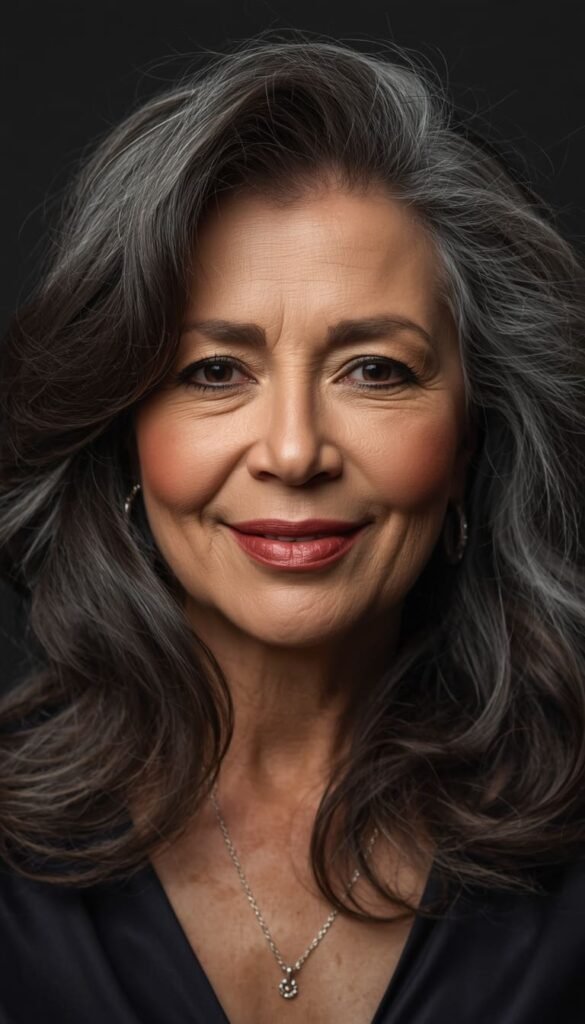
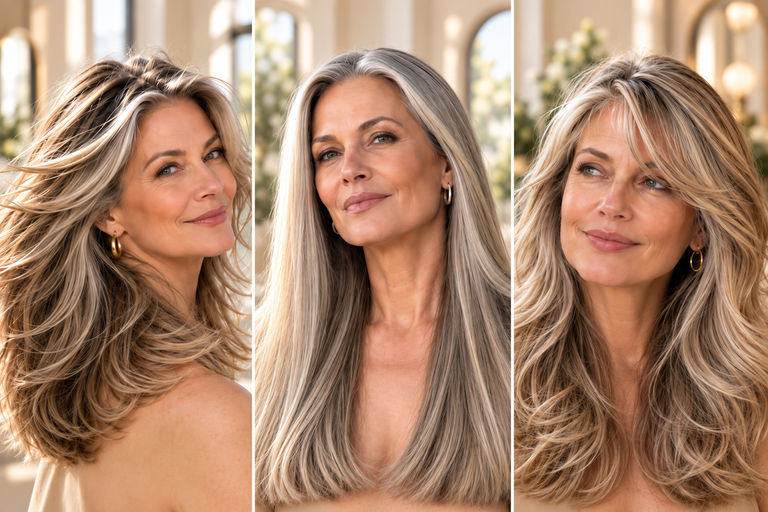
There is something genuinely stunning about a well-executed salt and pepper blend on a woman who owns it completely. This approach does not try to hide gray it works with the natural mixture of dark and silver strands already present and uses lowlights to add depth and dimension so the overall effect feels rich rather than faded.
I find this look works best on women who are 55 and older with somewhere between 40 and 70 percent gray coverage. At that percentage, fighting the gray with full coverage becomes expensive, damaging, and honestly exhausting. Leaning into the salt and pepper with a few well-placed lowlights in soft espresso or cool brown tones transforms what felt like a problem into an actual aesthetic.
Salon cost ranges from $160 to $300 depending on the complexity of the lowlight placement. What I always tell my clients about this look is that the colorist matters enormously here. A skilled hand makes salt and pepper look dimensional and intentional. An inexperienced one makes it look dull and flat. Do not book this with someone who has not shown you specific gray blending work in their portfolio.
8. Silver Blonde Transformation for a Full Gray Embrace
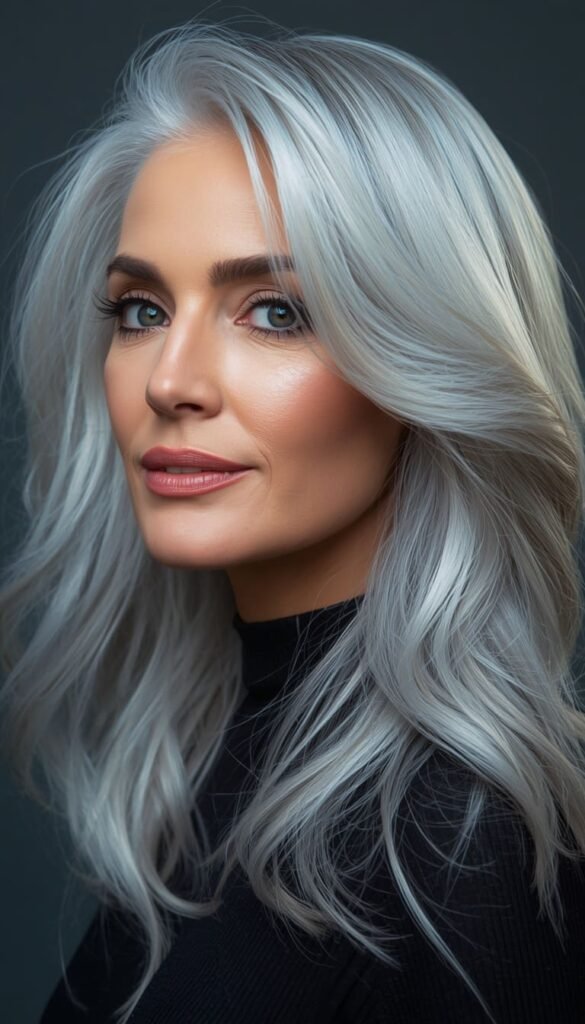
This one is for the woman who is done with the back and forth and ready to commit to silver completely but wants to arrive there beautifully rather than abruptly. A silver blonde transformation involves gradually lifting and toning the hair toward a cool, luminous silver shade that makes your natural gray growth virtually invisible as it comes in.
The key word here is gradually. Going from a medium or dark base to silver blonde in one session is possible but puts significant stress on the hair. I always recommend a two or three appointment approach spaced six to eight weeks apart, allowing the hair to recover between sessions and the tone to be refined at each visit.
- Salon cost for the full transition process runs between $250 and $450 total across appointments
- Monthly toning appointments afterward keep the silver from shifting yellow or warm
- Purple shampoo and a deeply hydrating conditioner at home are non-negotiable for this look
This is genuinely the highest maintenance option on this list, but it is also the most liberating for the right woman. Once you arrive at your silver, the grow-out is effortless and the look is unmistakably chic.
9. Highlights and Lowlights Combo for Maximum Dimension
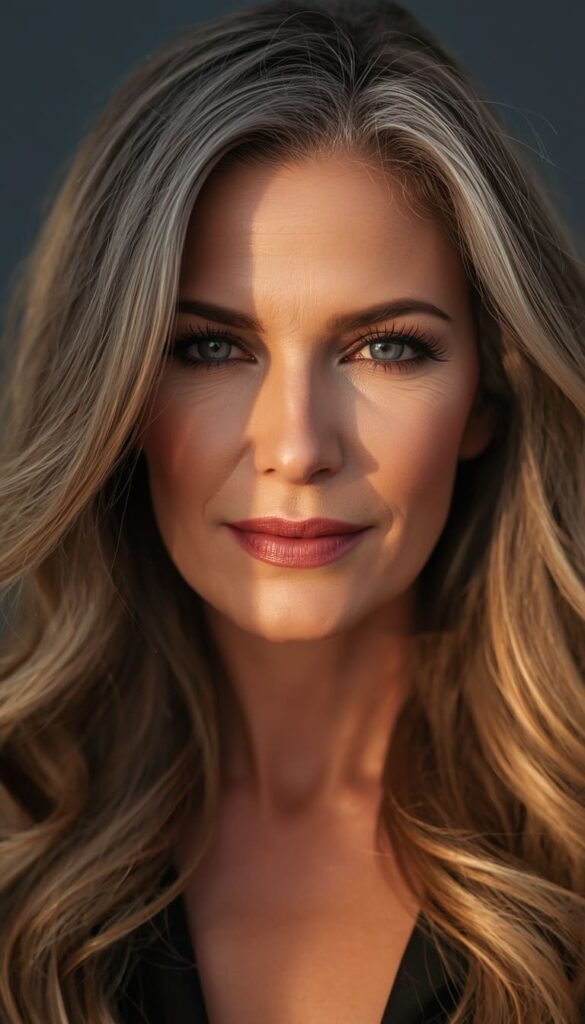
If you have ever looked at someone’s gray blended hair and thought “how does it look so natural and multi-dimensional,” the answer is almost always a combination of both highlights and lowlights working together. Highlights bring in lightness and brightness. Lowlights add depth and shadow. Together they mimic the way natural, uncolored hair actually behaves in different lighting and that is exactly what makes the result look so effortless.
I call this the rule of three tones and I use it constantly. Your colorist should be working with at least three distinct shade your natural base, something slightly lighter, and something slightly deeper. That range of tone is what separates a flat, one-note color job from something that genuinely looks like your hair grew out this way.
- This technique works especially well for women with uneven gray distribution, where some sections are heavily silver and others are still quite dark
- Medium to thick hair densities carry this combination beautifully and show off the dimension the most
- Salon cost typically runs between $220 and $400 depending on your hair length and how many foils are involved
A quick trick I have learned is to ask your colorist to keep the lowlights one shade warmer than your natural base rather than matching it exactly. That tiny detail adds so much richness to the finished look, especially in natural light.
10. Pixie and Short Hair Gray Blending for Women Over 60
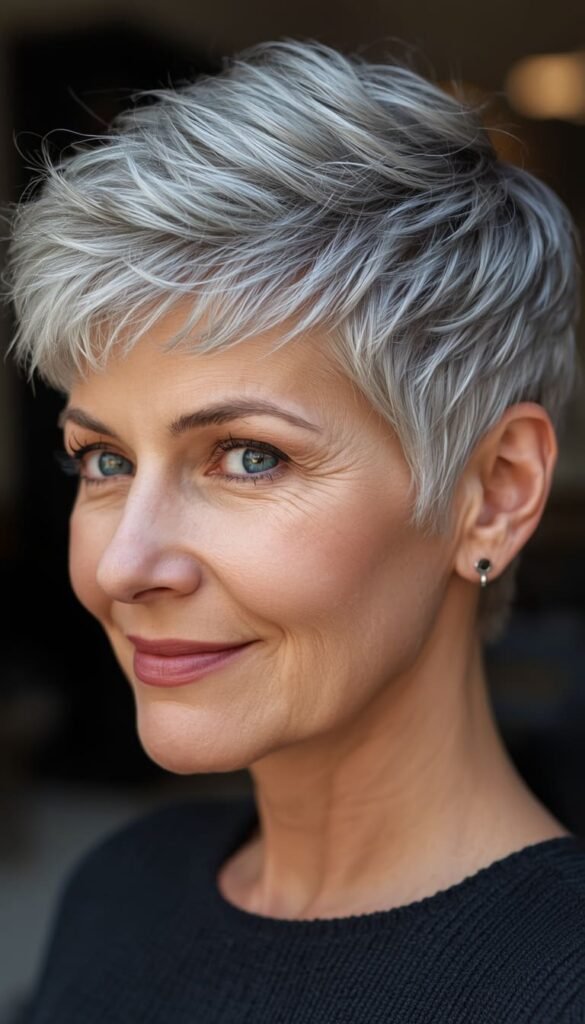
There is a persistent myth that gray blending only works on long or medium length hair. I want to put that to rest right now. Short cuts pixies, bobs, textured crops actually showcase gray blending in a way that longer hair sometimes cannot, because every strand of color placement is visible and intentional rather than hidden in layers.
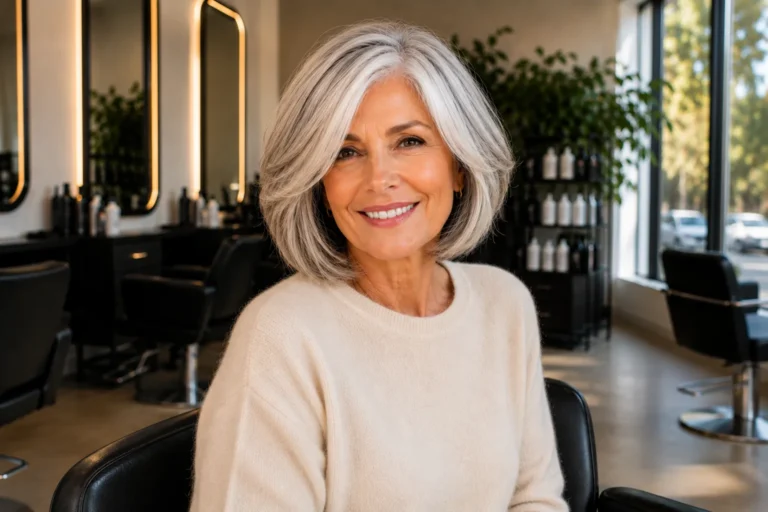
For women over 60 who prefer a shorter cut, the blending approach simply scales down. Babylights become even finer. Face framing becomes more precise. A soft root smudge on a pixie can look incredibly polished and modern with very little effort. The dimensional effect reads beautifully on a cropped silhouette.
Salon cost for short hair gray blending typically runs between $120 and $220, which is genuinely one of the more affordable options on this list. The one trade-off is that short hair grows out faster visually, so you may find yourself back in the salon every six to eight weeks to keep the blend looking intentional rather than grown out. For most women I work with at this length, that timeline feels completely manageable.
11. Curly and Wavy Hair Gray Blending with a Different Approach
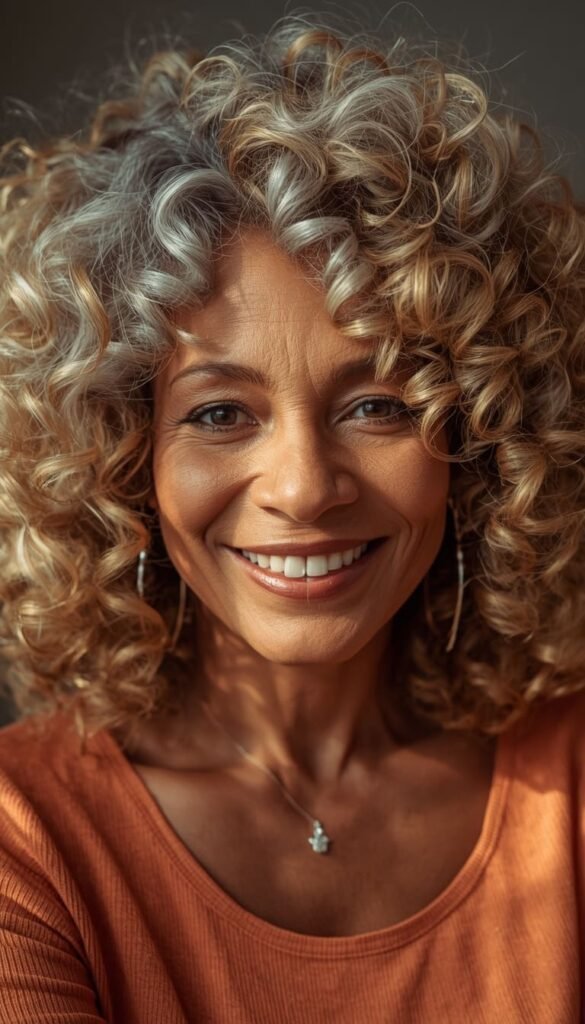
Curly and wavy hair plays by a completely different set of rules when it comes to gray blending, and I cannot stress this enough. The techniques that look gorgeous on straight fine hair can completely disappear on a tight curl pattern or look harsh and disconnected on a loose wave. Texture changes everything about how color is placed and how it reads once it is dry and styled.
For curly hair, I always recommend going bolder and chunkier with highlight placement than you might instinctively think. Fine babylights on coily or tightly curled hair tend to get lost in the curl pattern and the result looks muddy rather than blended. Thicker sections of lightness that wrap around the curl create contrast that actually registers visually and gives the dimensional effect you are going for.
- Wavy hair sits in the middle and can handle a mix of fine and medium highlight widths for a natural beachy blend
- One thing to watch out for is over-lightening fine curly hair — it weakens the curl pattern and leads to frizz that no product can fully fix
- Diffuser drying and a curl-specific hydrating routine become even more important when color is involved
Salon cost for curly gray blending runs between $180 and $320. Always look for a colorist who specifically lists curly hair experience the placement decisions are genuinely different and the results reflect that expertise immediately.
12. Demi Permanent Color for Soft Gray Coverage Without the Commitment
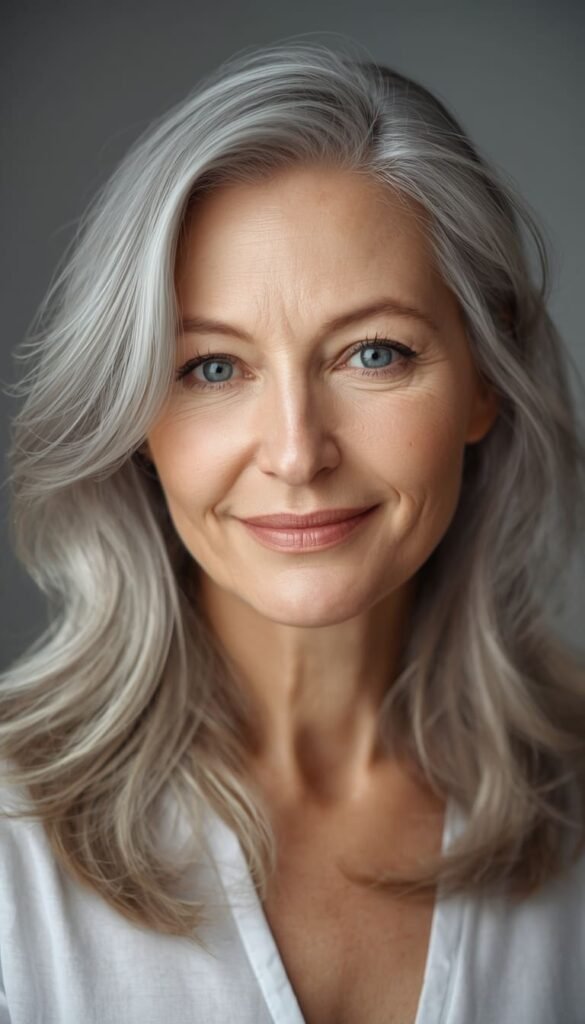
Not every woman sitting in my chair wants to fully embrace her gray or go through a major color transformation. Some women simply want soft, natural-looking coverage that does not feel like a life sentence of root touch-ups every five weeks. That is exactly where demi-permanent color earns its place in the conversation.
Unlike permanent color, demi-permanent does not fully penetrate the hair shaft. It deposits tone and coverage without lifting your natural pigment, which means it fades gradually and gracefully rather than leaving a harsh line of demarcation as it grows out. For women in the early to mid stages of going gray, this is honestly one of the most flattering and forgiving options available.
Think of permanent color as matte lipstick full coverage, opaque, and very committed. Demi-permanent is more like a tinted lip gloss. It softens, enhances, and adds a beautiful translucent finish that looks incredibly natural on mature hair. Salon cost sits between $80 and $160, and you will need a refresh every six weeks or so. It is not the longest lasting solution but for the woman who wants to look polished without a dramatic change, it is exactly right.
Are you team “low maintenance balayage” or are you ready to fully embrace your natural silver?
13. The Full Gray Embrace for a Natural Silver Finish
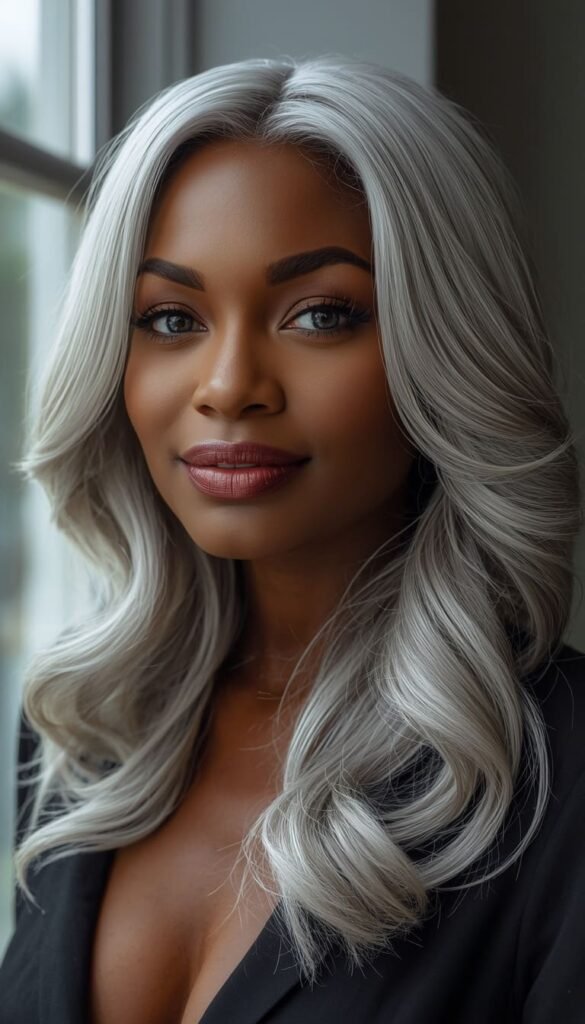
This is the option that takes the most patience and the most courage and in my experience, it delivers the most lasting satisfaction. Choosing to stop coloring altogether and grow out your natural gray is not about giving up. Done with intention and a smart transition plan, it is genuinely one of the most striking and modern looks a woman over 50 can wear right now.
The biggest challenge is the grow-out phase, and I want to be completely honest with you about that. Depending on your hair length and how much color history you are working with, the transition can take anywhere from 12 to 18 months. During that window, the line of demarcation between your natural gray root and your previously colored ends can look stark and uncomfortable. This is where strategic blending services a softening gloss, a root smudge, or a few face framing pieces become your best tools for getting through that phase gracefully rather than gritting your teeth through it.
- A transitional blending service during grow-out typically costs between $150 and $250
- Toning glosses every six to eight weeks keep the gray looking intentional and luminous rather than dull
- A trim every eight weeks during the transition removes the colored ends progressively and speeds up the overall process visually
A quick trick I always share with clients going this route is to ask for a single process cool toner applied to the mid-lengths and ends. It pulls the remaining color toward a softer, more neutral shade that visually bridges the gap between your new gray root and your older color. The grow-out suddenly looks intentional rather than accidental, and that shift in perception changes everything about how you feel during the process.
What I find most beautiful about the full gray embrace is that once you are through it, your maintenance essentially becomes zero in terms of color. A hydrating gloss a few times a year to keep the silver luminous and vibrant is genuinely all most women need. For the right person and you will know if you are her this is the most freeing hair decision you will ever make.
Your 2 Minute Gray Blending Decision Map
By Budget
First Step into Blending ($80 to $180)
- Root smudge and gloss if you want soft coverage with zero drama
- Face framing highlights if you want the biggest visual impact for the least money
- Demi-permanent color if you want gentle gray softening without full commitment
Investment Blending ($200 to $450)
- Balayage if you want the longest time between salon visits
- Highlights and lowlights combo if you want the most dimensional and natural looking result
- Silver blonde transformation if you are ready to go fully silver and want it done beautifully
By Lifestyle
The Busy Woman Who Cannot Live in a Salon
- Balayage is your answer — three to four months between appointments
- Salt and pepper blending if your gray is already heavy and you want to work with it
- Root smudge as your quick refresh between bigger services
The Woman Who Loves a Polished Finish at All Times
- Babylights for consistent brightness that always looks freshly done
- Face framing refresh every three months keeps your look sharp without a full appointment
- Ash blonde blending for cool luminous tone that photographs beautifully
The Woman Ready to Go Fully Natural
- Full gray embrace with a smart transition plan
- Toning gloss every six to eight weeks during grow-out
- Trim every eight weeks to move the process along faster
Frequently Asked Questions About Gray Blending for Older Women
What is the best gray blending technique for women over 50?
Babylights or balayage are my top two recommendations. Both grow out naturally, require minimal upkeep, and never leave a harsh root line that ages you faster than the gray itself.
How much does gray blending cost at a US salon?
The average cost runs between $150 and $400 depending on your hair length and technique. Face framing is the most budget friendly entry point, while a full silver transformation sits at the higher end.
Can gray blending work on short hair like a pixie or bob?
Yes, and it often looks even better on short cuts. Every placement is visible and intentional on cropped styles, which makes the dimensional effect more striking than on longer hair.
How often do you need to touch up gray blending highlights?
Ideally every 10 to 14 weeks for babylights and balayage. Glossing and root smudge services need refreshing sooner, around every six weeks, to stay looking polished.
Does gray blending damage your hair more than regular color?
Less, actually. Most blending techniques use gentler lightening with softer placement, and demi-permanent options skip the harsh lifting process entirely. Healthy hair maintenance matters more than the technique itself.
Conclusion
Your gray is not something to fix it is something to work with, and the right blending technique makes all the difference between hair that looks tired and hair that looks like a conscious, confident choice. I have seen women walk out of the salon after their first blending appointment looking genuinely lighter, not just in color but in how they carry themselves. That shift is real and it is available to you too. Start with one technique that matches your budget and your lifestyle, book a consultation with a colorist who specializes in gray blending, and trust the process even when the grow-out feels awkward.
Which gray blending idea from this list felt most like you are you leaning toward a soft babylight blend or are you ready to go full silver and never look back?