15 Effortless Shaggy Bob Haircuts for Women Over 60
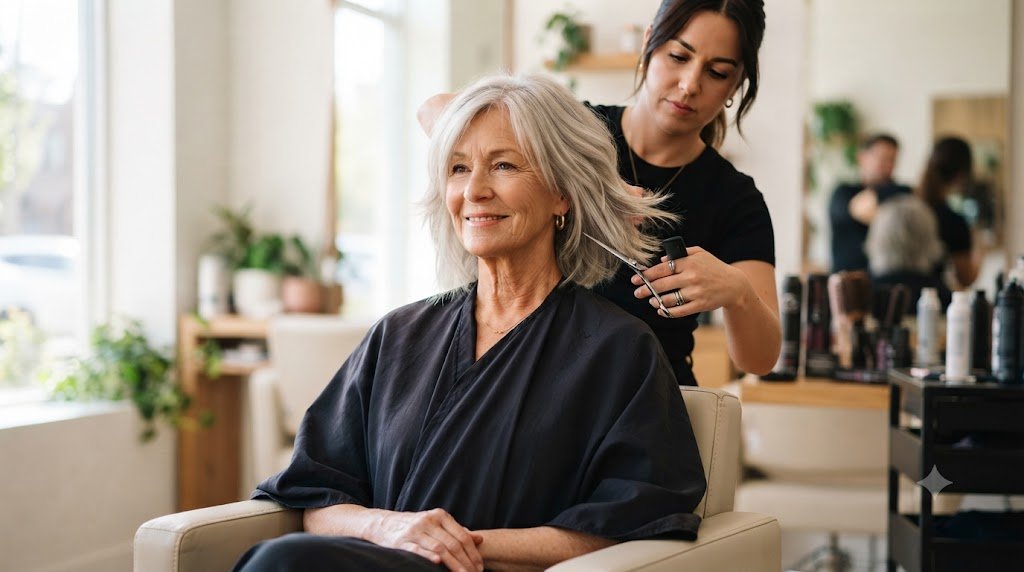
Here’s the hair truth nobody tells you after sixty. Layers don’t magically show up on their own, and a boring, flat bob is often the real reason you feel invisible in every family photo. I’ve watched more women light up over a shaggy cut than almost any other change I make in the chair, mostly because it gives movement back to hair that’s earned a little rest from heavy, one length styles. If you want a cut that looks effortless on your best morning and your rushed ones too, these fifteen shaggy bobs are exactly where we’re starting.
My Styling Notes
I’ll never forget the client who almost stopped me mid haircut. She was in her early sixties, sitting in my chair with hair down to her waist, and the second she saw it hitting the floor she panicked and asked if we could pause. I remember crouching down next to her and explaining exactly why I was point cutting instead of blunt cutting, why I was leaving extra weight around her face on purpose. She sat back down, still nervous, and let me finish.
When I turned her chair around, she didn’t say a word for almost ten seconds. Then she just started crying, the good kind. She told me it was the first haircut in years that made her feel like herself again instead of someone trying to hide her age. That moment taught me something I now tell every client who’s scared of the chop. A shaggy bob isn’t about losing your hair, it’s about giving it somewhere to move.
15 Effortless Shaggy Bob Haircuts for Women Over 60
1. What Actually Makes a Bob Shaggy
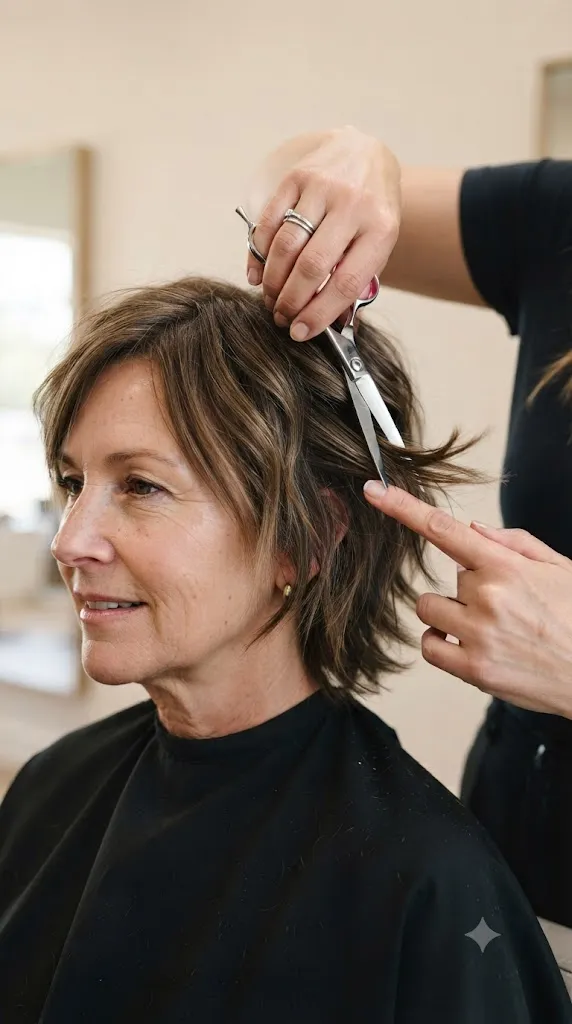
There’s a huge difference between a bob that’s simply short and a bob that’s genuinely shaggy, and most women don’t realize it until they’re sitting in the chair asking for one and getting the other. While a traditional bob cut relies on a uniform perimeter, a shaggy bob comes from how the hair is cut, not just how long it is. Your stylist is using scissors or a razor to remove weight in small, deliberate sections rather than cutting one clean line straight across.
2. The Face Framing Shag

This one is my go to recommendation for round or oval faces because it softens everything without erasing your bone structure. The layers land right around your cheekbones and jaw, which naturally draws the eye up and out instead of down and heavy.
A few things make this version sing.
- Shorter pieces near the chin catch light and add dimension
- Longer layers toward the back keep it from looking chopped or uneven
- A slight forward angle at the front frames the face without swallowing it
I’ve styled this on everyone from retired teachers to women running their own businesses well into their seventies, and it never once looked dated. That’s the whole point of a great shag, it just grows with you.
3. The Choppy Textured Shag

If your hair is thick and you’ve spent years fighting it into submission with a flat iron, this cut is basically a permission slip to stop fighting. Choppy layers remove serious bulk from thick strands, which means less time under the blow dryer and a whole lot less frustration on humid mornings.
I’ll be honest with you here, thick hair holds a shaggy shape beautifully because there’s enough density for the layers to actually separate and do something interesting. Thin hair sometimes needs a gentler hand, which brings me to the next style.
4. The Wispy Fine Hair Shag

Here’s the honest truth nobody puts in these roundup articles. A shag on fine hair can go two ways, and only one of them looks good. Cut it wrong and you end up with stringy, see through ends that make your hair look thinner than it actually is. Cut it right, with strategic layering that starts higher up and stays subtle near the bottom, and you get soft, airy movement that reads as effortless instead of sparse.
My rule of thumb with fine haired clients is fewer, more intentional layers rather than piling on texture everywhere. Too much cutting on delicate strands backfires fast. Pair the cut with a lightweight volumizing mousse at the roots, and you’re set for the day without weighing anything down.
Which one of these fifteen shaggy bobs are you picturing on yourself right now
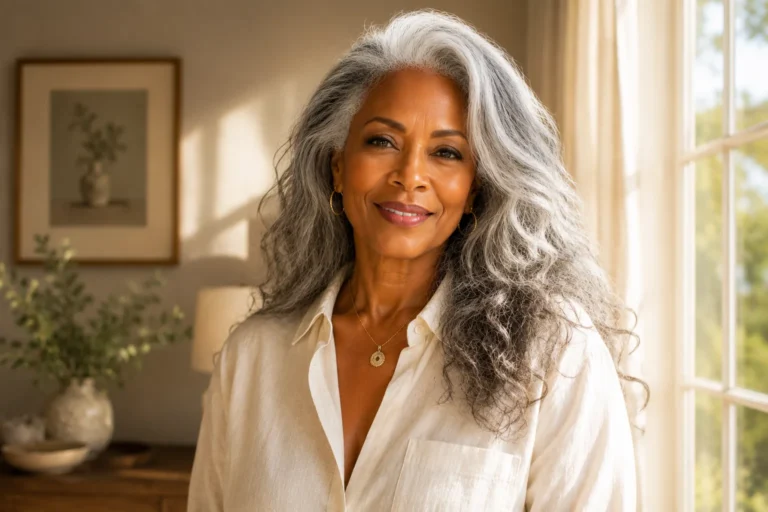
5. Silver Fox Shaggy Bob

Gray hair deserves its own conversation, and honestly, most of these roundup articles skip it entirely. Silver and white strands tend to be coarser and drier than pigmented hair, which is why messy haircuts for women over 60 with gray hair need layers that work with that texture instead of against it.
I always tell women embracing their silver era that shine matters more than volume here. A glossing treatment every few weeks keeps the color luminous instead of dull, and the choppy layers of a shag catch light beautifully against gray tones in a way a blunt cut just can’t.
6. Shag with Curtain Bangs

This combination is having a real moment right now, and for good reason. Curtain bangs soften the whole face while the shaggy layers underneath keep everything feeling loose and undone rather than styled to death.
A few notes if you’re considering this pairing.
- Curtain bangs need regular trims, about every four weeks, to keep the shape from growing into your eyes
- They work with a round brush blowout or can be left to air dry with a little texture spray
- This combo genuinely flatters almost every face shape, which is rare in the haircut world
Quick Look Shaggy Bob Cheat Sheet
| Look / Item | Estimated Price | Care Level | Where to Buy |
|---|---|---|---|
| Face Framing Shag Styling Kit | Under 40 dollars | Medium | Volumizing mousse, available on Amazon |
| Choppy Textured Shag Products | Under 35 dollars | Medium | Texturizing spray, available on Amazon |
| Wispy Fine Hair Shag Essentials | Under 30 dollars | Low | Lightweight root mousse, available on Amazon |
| Silver Fox Gray Toning Kit | 25 to 45 dollars | Medium | Purple shampoo and gloss treatment, available on Amazon |
| Curtain Bangs Styling Tools | 30 to 60 dollars | High | Small round brush, available on Amazon |
| Curly Shag Diffuser Set | 20 to 50 dollars | Medium | Diffuser attachment, available on Amazon |
7. The Low Maintenance Everyday Shag

If your mornings are already chaotic, this is the version built for you. The whole idea behind a low maintenance shag is that the cut does most of the work before you even pick up a hairbrush. Good layering creates natural movement, so you’re not relying on twenty minutes with a curling iron just to leave the house looking put together.
A quick trick I’ve learned over the years is to rough dry with your fingers instead of a brush, scrunching slightly as you go. It takes about five minutes and gives you that piecey, lived in texture without any real effort. Add a texturizing spray while hair is still damp and you’re done.
8. The Curly Shaggy Bob
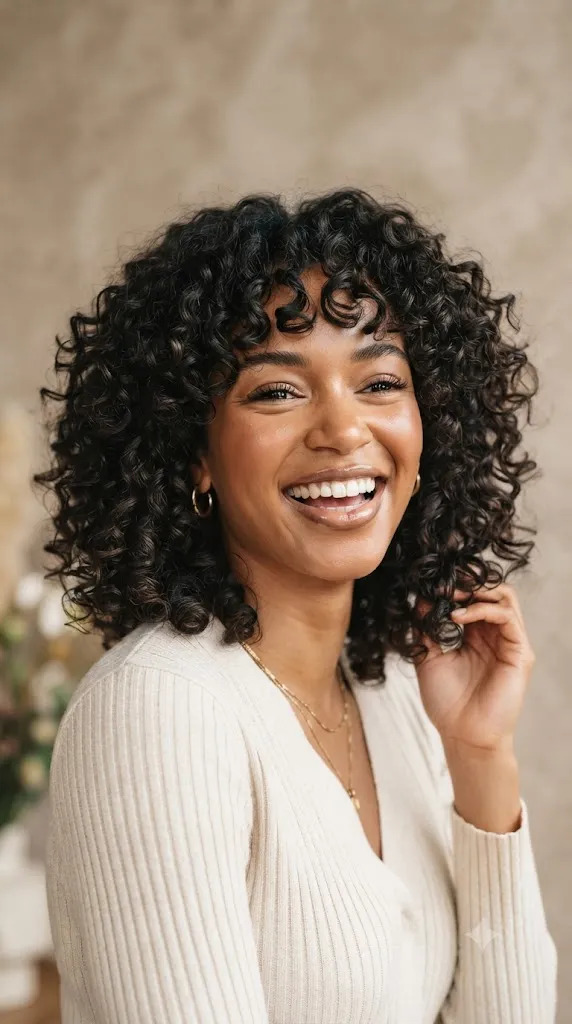
Curly hair and shag cuts are honestly a match made in heaven, but there’s a technique piece that matters a lot here. Your stylist needs to cut curls dry, or at least check the shape while dry, because curls spring up differently than straight hair falls. Cutting curly hair wet and hoping for the best is how you end up with an uneven, frustrating mess.
Diffusing is your best friend with this style. Use a curl cream to define your pattern, then diffuse on low heat while scrunching upward toward your scalp. In humid climates you’ll want an anti frizz serum in your routine too, since curls react fast to moisture in the air.
What’s the one thing about your current cut you’d change first if you walked into the salon today?
9. Shag for Glasses Wearers

Glasses change everything about how a haircut sits on your face, which is why finding the right haircuts for women over 60 who wear glasses requires a slightly different approach. The frames create a horizontal line across your face, so you want your layers working with that line instead of competing against it.
Ask your stylist to keep the heaviest layers below where your glasses sit, rather than right at brow or cheek level where they’ll get lost under the frames or look chaotic layered on top of them.
10. The Beachy Undone Shag

Warm climate living calls for a completely different approach than what works in, say, Chicago in February. This version leans into loose waves and a slightly tousled finish that feels right at home whether you’re in Miami, San Diego, or anywhere the humidity index is a daily topic of conversation.
I’ll never forget styling a client in Miami last summer who kept apologizing for her hair “doing its own thing” in the heat. We ended up leaning into it instead of fighting it, texturizing spray and all, and she left looking like she’d just walked off a beach vacation. Sometimes the best styling move is simply working with your climate instead of against it.
11. Budget Breakdown Salon Visits and At Home Upkeep
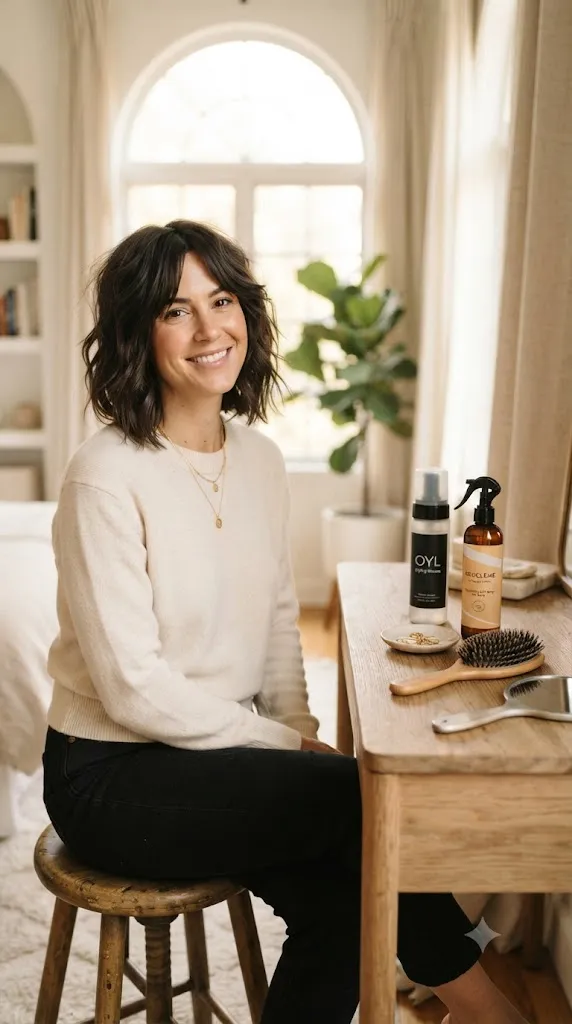
Nobody talks about the actual dollars, so let’s fix that. A shaggy bob at a mid range salon typically runs somewhere between sixty and one hundred fifty dollars depending on your city, with upscale salons in places like New York or Los Angeles easily running higher. Trims to maintain the shape usually happen every eight to twelve weeks, which is honestly less frequent than a lot of women expect.
On the product side, here’s where your money actually needs to go.
- A lightweight volumizing mousse, around fifteen to twenty five dollars, lasts months
- One good texturizing spray covers nearly every style listed here
- A quality heat protectant is non negotiable if you’re using hot tools regularly
You genuinely do not need a cabinet full of products for this cut to look good. That’s part of its charm.
12. What to Say to Your Stylist
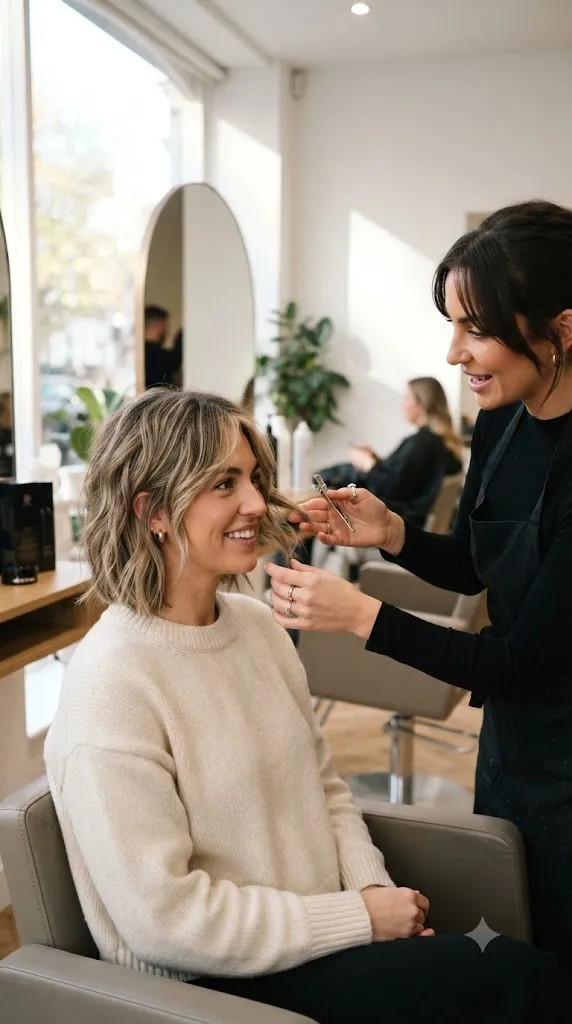
This might be the single most useful section in this whole article, because walking into a salon with the right vocabulary changes everything about the cut you walk out with. Stylists hear requests for a shag haircut constantly, and it means about five different things depending on who you ask.
Instead, try asking for point cutting through the ends, internal layers rather than just perimeter layers, and some disconnection between the top and bottom sections if you want a more dramatic, piecey effect.
Given your budget and your everyday routine, which of these shags feels like the realistic pick for you?
13. Growing Out Long Hair Into a Shag
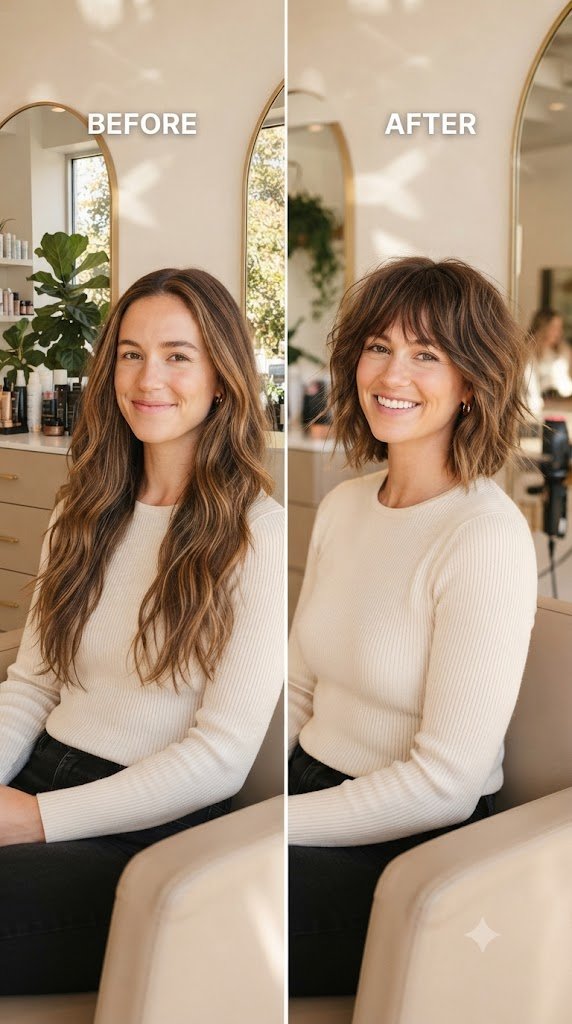
If you’re currently working with long hair and feeling nervous about the jump, you don’t have to go all in on your first visit. A shag actually makes for one of the gentlest transitions out there, because the layering itself creates the illusion of shorter hair even while you’re still holding onto length.
My advice for anyone in this boat is to book two appointments instead of one. The first visit, ask your stylist to shape in long layers and remove bulk without cutting to full bob length yet. Once you’ve lived with that for a month or so and gotten comfortable, go back and let them take it up to true bob length with the shaggy texture fully built in. It takes the panic out of the chair.
14. Climate Matters Humid Versus Dry Regions

Where you live genuinely changes how your shag should be cut and styled, and this gets zero attention in most haircut guides. Humid regions, think Houston, New Orleans, or coastal Florida, need a cut with slightly more structure built in, since moisture in the air naturally adds volume and can push a very loose shag into frizzy territory fast.
Dry climates work the opposite way.
- Arizona, Nevada, and similar regions tend to strip moisture from hair quickly, so softer, more feathered layers hold shape without looking stiff
- A hydrating leave in treatment becomes essential rather than optional here
- Static becomes more of an issue than frizz, so a bit of serum goes a long way
Knowing your climate before your appointment genuinely helps your stylist customize the cut instead of giving you a generic version that fights your environment every single day.
15. The Honest Cons Nobody Mentions

Every style has a flip side, and I’d rather tell you upfront than have you find out three weeks post haircut. Shaggy bobs generally need more frequent product use than a simple blunt cut, since the whole look relies on texture rather than a clean, polished line that just falls into place on its own.
If your hair is very fine and very straight, a shag cut poorly can genuinely look thin or stringy rather than voluminous, so the skill of your stylist matters enormously here, more than with almost any other cut I do. It’s also worth knowing that a shag, done right, sometimes takes slightly longer in the chair than a basic bob because of all that detailed layering work. That extra time in the chair, though, is exactly why the cut looks effortless every single morning after.
Your 60 Second Shag Decision Guide
By Budget
Budget Friendly Picks
- Wispy Fine Hair Shag, minimal product needed
- Low Maintenance Everyday Shag, just mousse and texture spray
- Beachy Undone Shag, one texturizing spray does it all
Worth the Splurge
- Silver Fox Shaggy Bob, invest in a gloss treatment
- Shag with Curtain Bangs, budget for regular trims
- Curly Shaggy Bob, a good diffuser pays off
By Lifestyle
Busy Mornings, No Time to Spare
- Low Maintenance Everyday Shag
- Beachy Undone Shag
Humid or Hot Weather Living
- Beachy Undone Shag
- Curly Shaggy Bob with anti frizz serum
Office or Professional Settings
- Face Framing Shag
- Sculpted Choppy Textured Shag
Weekend Casual, Low Effort
- Low Maintenance Everyday Shag
- Wispy Fine Hair Shag
Glasses Wearers
- Shag for Glasses, side swept layers below frame line
Embracing Gray or Silver
- Silver Fox Shaggy Bob
For product picks in any of these categories, mousse, texturizing spray, diffusers, or gloss treatments, Amazon has solid options across every price point mentioned above.
Frequently Asked Questions
Is a shaggy bob a good haircut for women over 60?
Yes, absolutely, and it’s one of the most flattering cuts I recommend for this age group. The layers add movement and softness around the face without aging or overwhelming finer, more mature hair textures.
How often do you need to trim a shaggy bob to keep the shape?
I usually recommend every eight to twelve weeks. Shaggy layers grow out more forgivingly than a blunt cut, so you’ve got a little more flexibility before it starts looking shapeless.
What is the best haircut for thinning gray hair over 60?
A shaggy bob with strategic, lighter layering tends to work best. Heavy layering on fine, gray hair can backfire, so ask your stylist for fewer, more intentional cuts rather than piling on texture everywhere.
Can I get a shaggy bob if I wear glasses every day?
Yes, and it actually pairs really well with frames when it’s cut correctly. Keep the heaviest layers below where your glasses sit and ask for side swept pieces near the temples so nothing bunches against the arms
Is a shaggy bob high maintenance or low maintenance?
It depends entirely on how it’s cut and your hair type, honestly. Most versions need a texturizing spray and five minutes of styling, though it does rely on product more than a simple one length bob.
.
Conclusion
Here’s the thing I want you to walk away with. Sixty is not the moment to play it safe with your hair, it’s the moment to finally cut it the way you’ve always secretly wanted to. A great shag doesn’t just change your reflection, it changes how you carry yourself walking into a room. So book that consultation this week, bring your favorite photo from this list, and use the exact words we talked about when you sit down in the chair.